Is Rock Still Relevant in 2026? An Honest Reckoning
Every few years someone declares rock dead, and every few years the genre stubbornly refuses to file the paperwork. Ask the question honestly in 2026, though, and the answer is more uncomfortable than either the obituary writers or the true believers want to admit. Rock is not dead. It is also not in charge anymore, and it has not been for a long time. The interesting story is what that demotion actually looks like.
The numbers tell a confusing story
On paper, rock is doing well. According to Luminate’s 2025 year-end report, rock pulled 260.5 billion on-demand audio streams in the United States, second only to R&B and hip-hop. It was, in fact, the fastest-growing major genre of the year, up 6.4 percent and gaining market share. In May 2025, two rock acts, Sweden’s Ghost and Britain’s Sleep Token, topped the Billboard 200 within weeks of each other. If you only read the spreadsheet, you would conclude that rock is thriving.
So why does it feel diminished? Because streams measure consumption, not cultural gravity, and those are very different things.
Cultural centrality is the thing rock actually lost
For roughly half a century, rock was not so much a genre as the default setting of popular music. It owned radio, defined youth identity, and produced the era-defining superstars. That ended. Hip-hop overtook rock as the most consumed genre in the United States back in 2017, and the cultural center of gravity moved with it. The pop and rap worlds now generate the monoculture moments, the chart-dominating debuts, the artists your non-musical relatives can name without trying.
Rock’s growth in 2025 is real, but look closely and a lot of it is catalog. Gen Z is streaming Fleetwood Mac, Nirvana, and Radiohead alongside their contemporary favorites. That is wonderful for the back catalog and for the estates, but it is not the same as a genre minting new, world-conquering stars. Here is the hard core of the decline argument: rock can grow its streams while shrinking its grip on what comes next.
Why it happened
Several forces compounded. Streaming economics reward frequency and playlist-friendly, mood-based listening, which favors the steady drip of pop and hip-hop over the album-as-statement that rock was built around. TikTok turned the fifteen-second hook into the primary unit of discovery, a format that suits a producer with a laptop more than four people in a rehearsal room. Production trends moved toward programmed beats and vocal-forward mixes. And, crucially, the rebellion that rock once monopolized migrated. For a teenager in 2026, the music that sounds dangerous, new, and identity-shaping is far more likely to be rap, hyperpop, or something genreless than a guitar band.
What is genuinely still alive
This is where the honest version of the decline argument has to stay honest, because plenty of rock is not just surviving but flourishing in specific places.
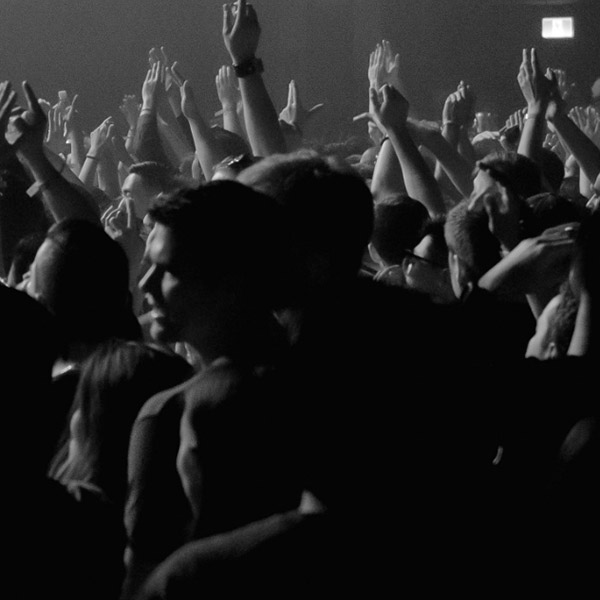
Live music is the clearest case. The biggest touring acts on the planet still include Metallica, the Foo Fighters, and the Red Hot Chili Peppers, and the legacy circuit prints money. Vinyl, the most physical and least algorithmic format there is, has been driven for years largely by rock fans. The underground and indie scenes are arguably healthier and more varied than the mainstream ever allowed, which is precisely the territory a platform like this one cares about. And rock keeps refusing to stay pure, bleeding into country, into pop-punk revivals, into the genre-melting heaviness of a Sleep Token. The acts breaking through now tend to win by fusing, not by guarding the museum.
So, is it relevant?
Yes, but relevance has been redefined underneath it. Rock is no longer the language everyone speaks. It is a rich, deep dialect with passionate fluent communities, a catalog the young keep rediscovering, and a live business the charts cannot kill. Calling that “dead” is lazy. Pretending it still sits on the throne is dishonest. The accurate word is dethroned. For anyone who actually loves the music, that might be the healthiest place rock has been in years: out of the spotlight, free of the pressure to be everything, and quietly getting interesting again.