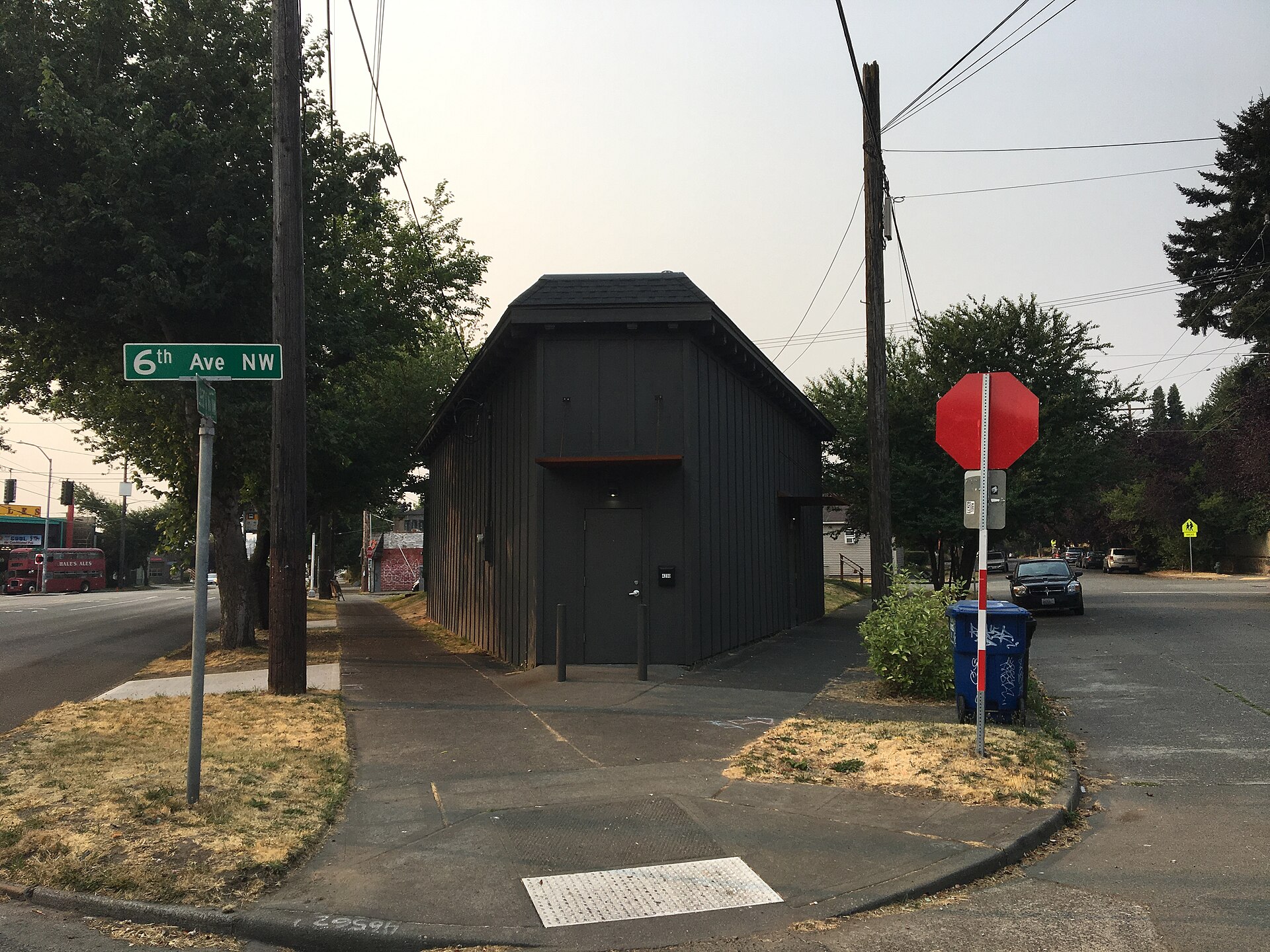
In November 1988 a small Seattle label started mailing one hand-numbered 7-inch a month to subscribers. The first one was Love Buzz, and the idea turned Sub Pop into a brand.
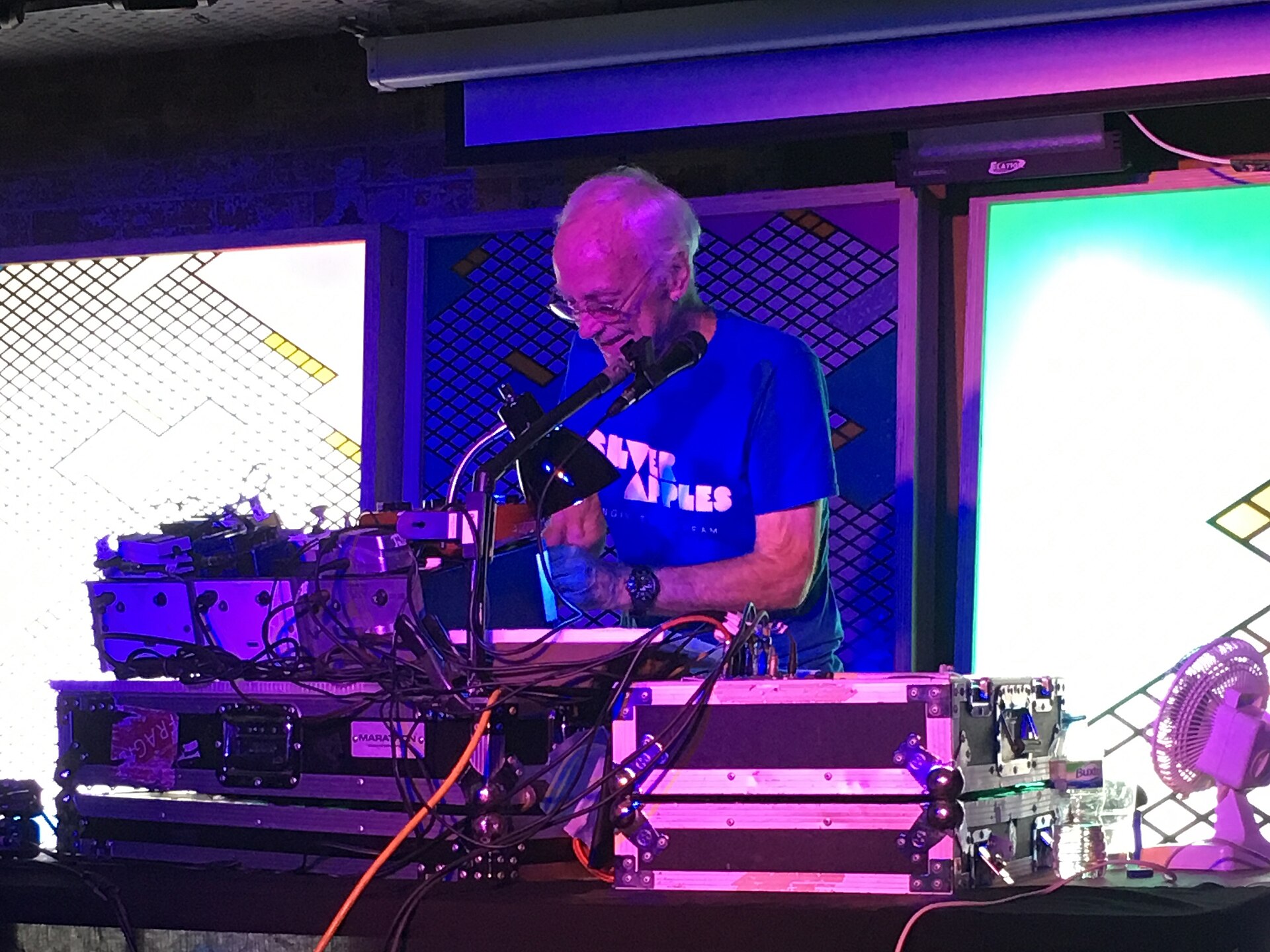
Two men, a pile of war surplus oscillators and a drum kit: how Silver Apples made electronic rock in 1968, lost it to a lawsuit, and still shaped Suicide, Stereolab and Portishead.
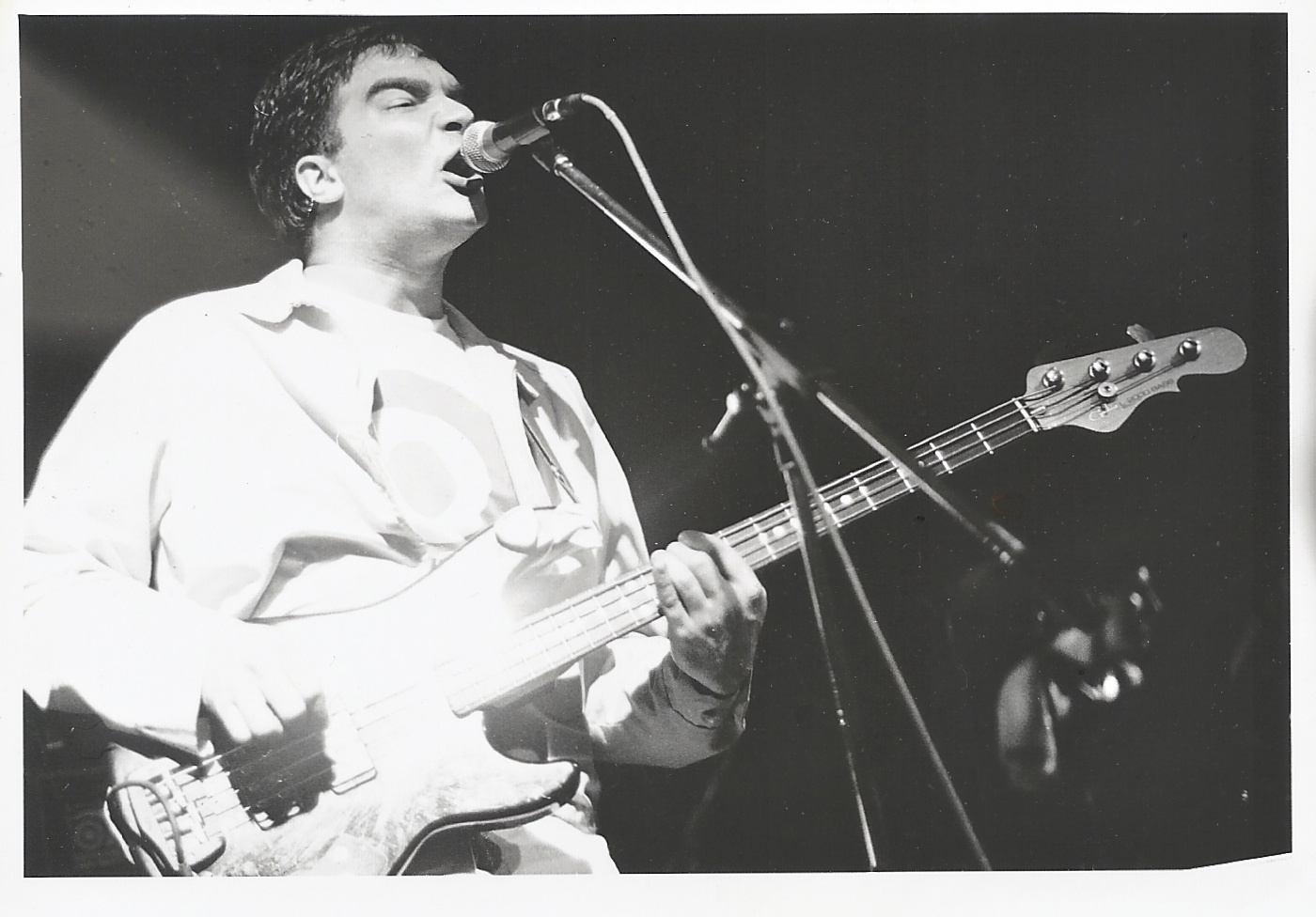
Tom Hazelmyer never set out to run a label. In 1986, a serving Marine, he just wanted records for Halo of Flies. Amphetamine Reptile became noise rock's home.
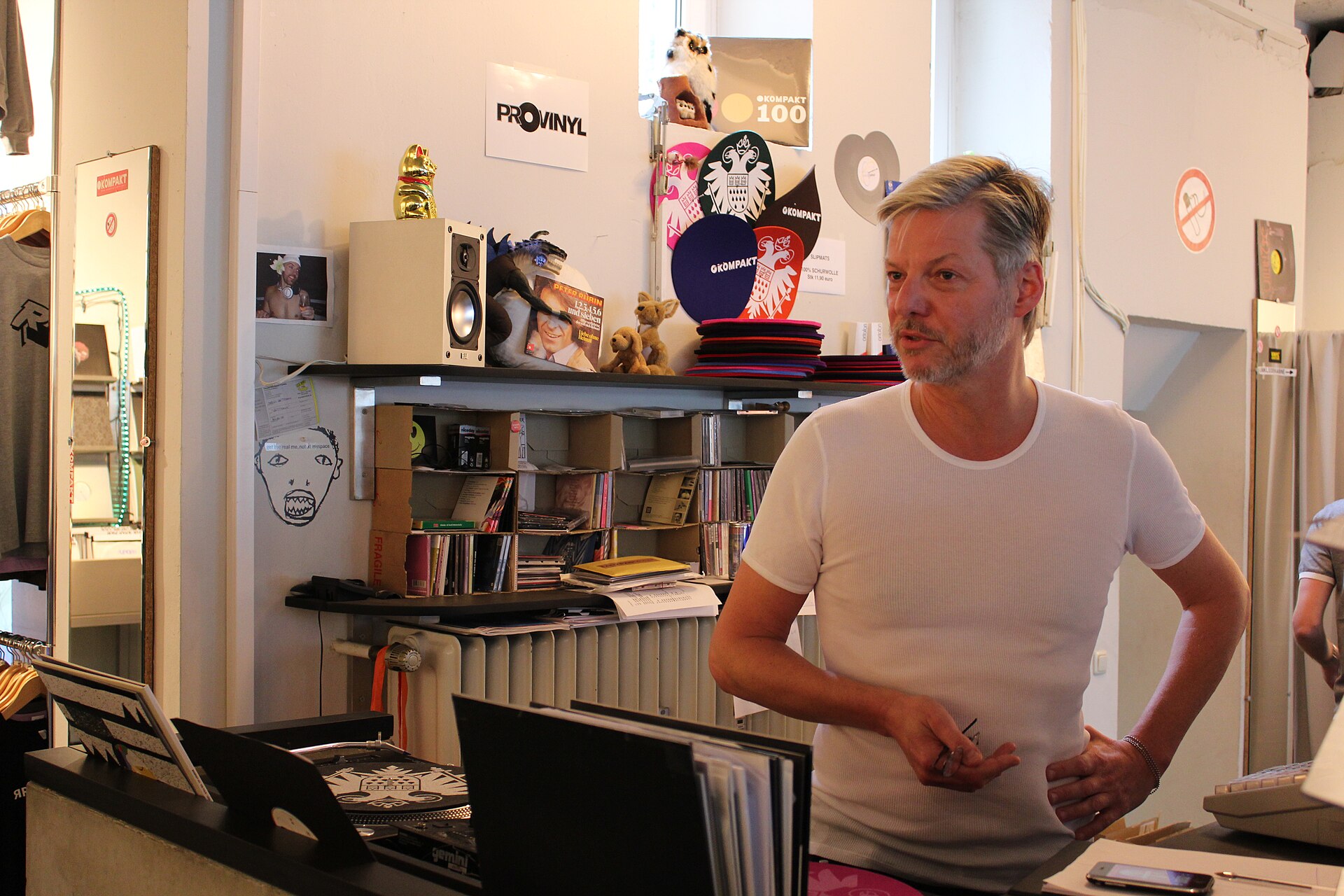
Before Kompakt was a label it was a record shop with a counter, a few crates and a customer who complained. How Cologne built a techno scene from retail.
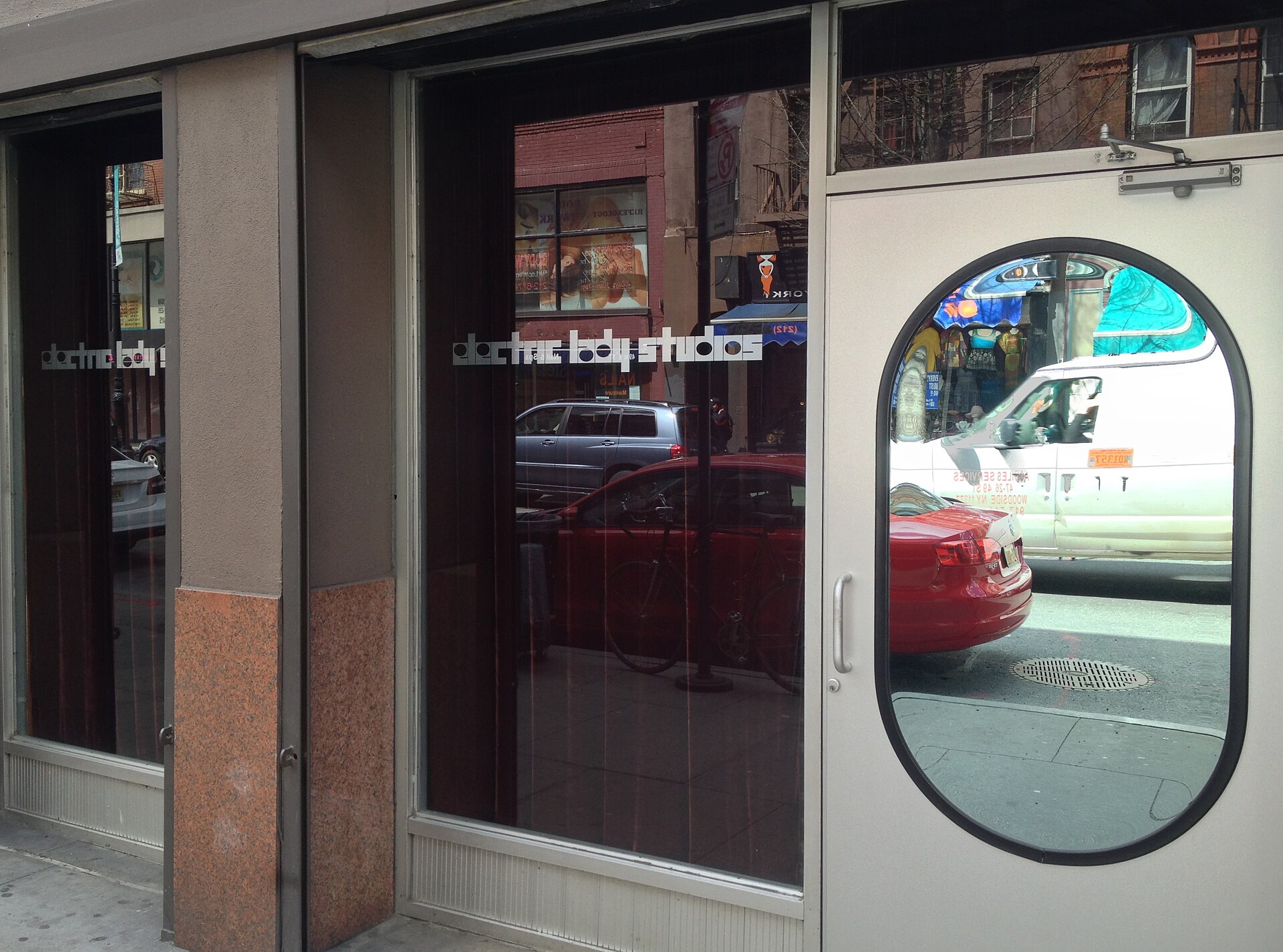
A vinyl shortage pushed Horses from 20 October to 10 November 1975. The record that followed was cut in under three weeks at Jimi Hendrix's studio, with a producer the band argued with.
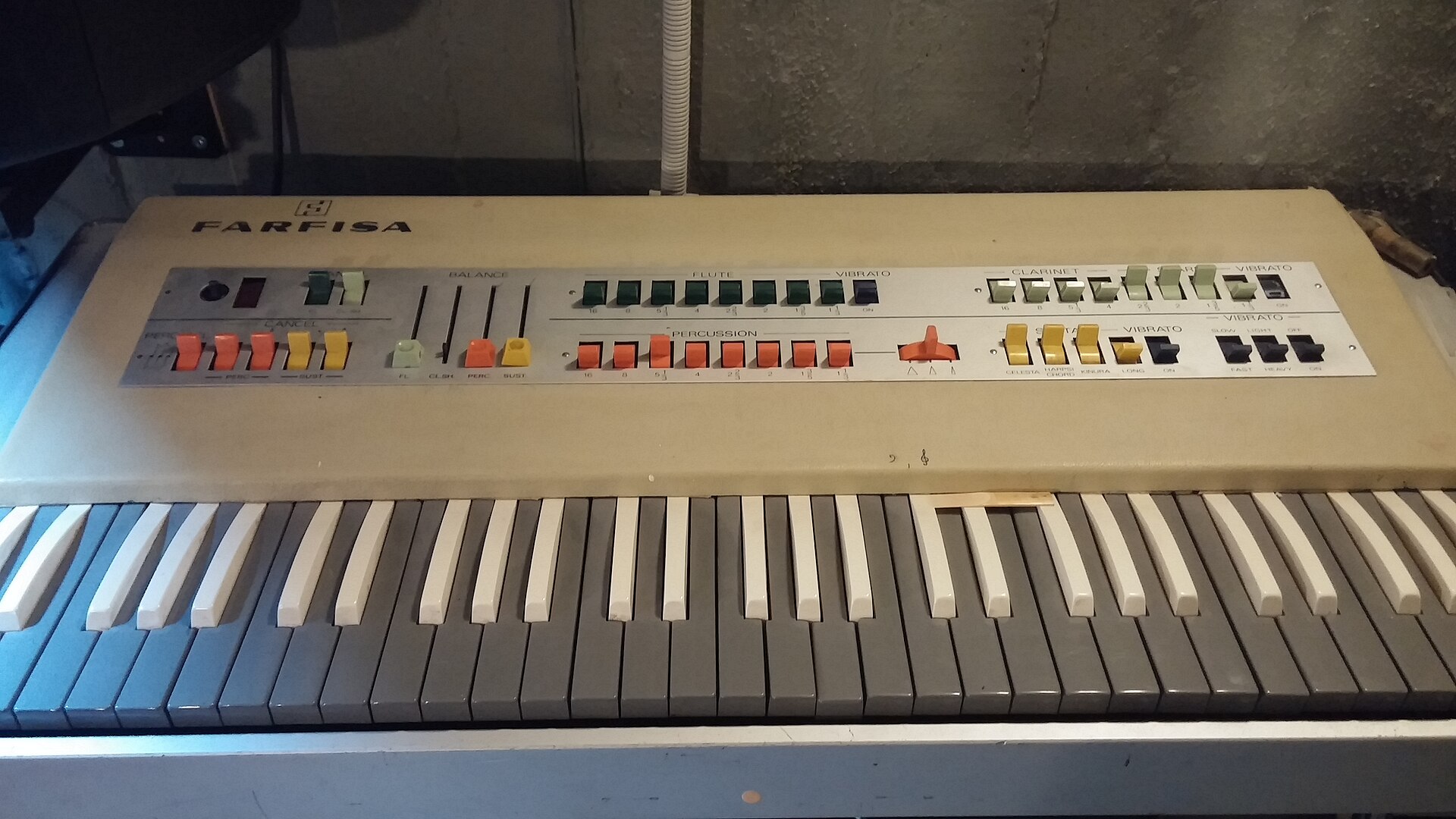
No guitars, no overdubs to speak of, and a drum machine from a jukebox maker. Suicide's 1977 debut was cut live in studio, and it still sounds like nothing else.
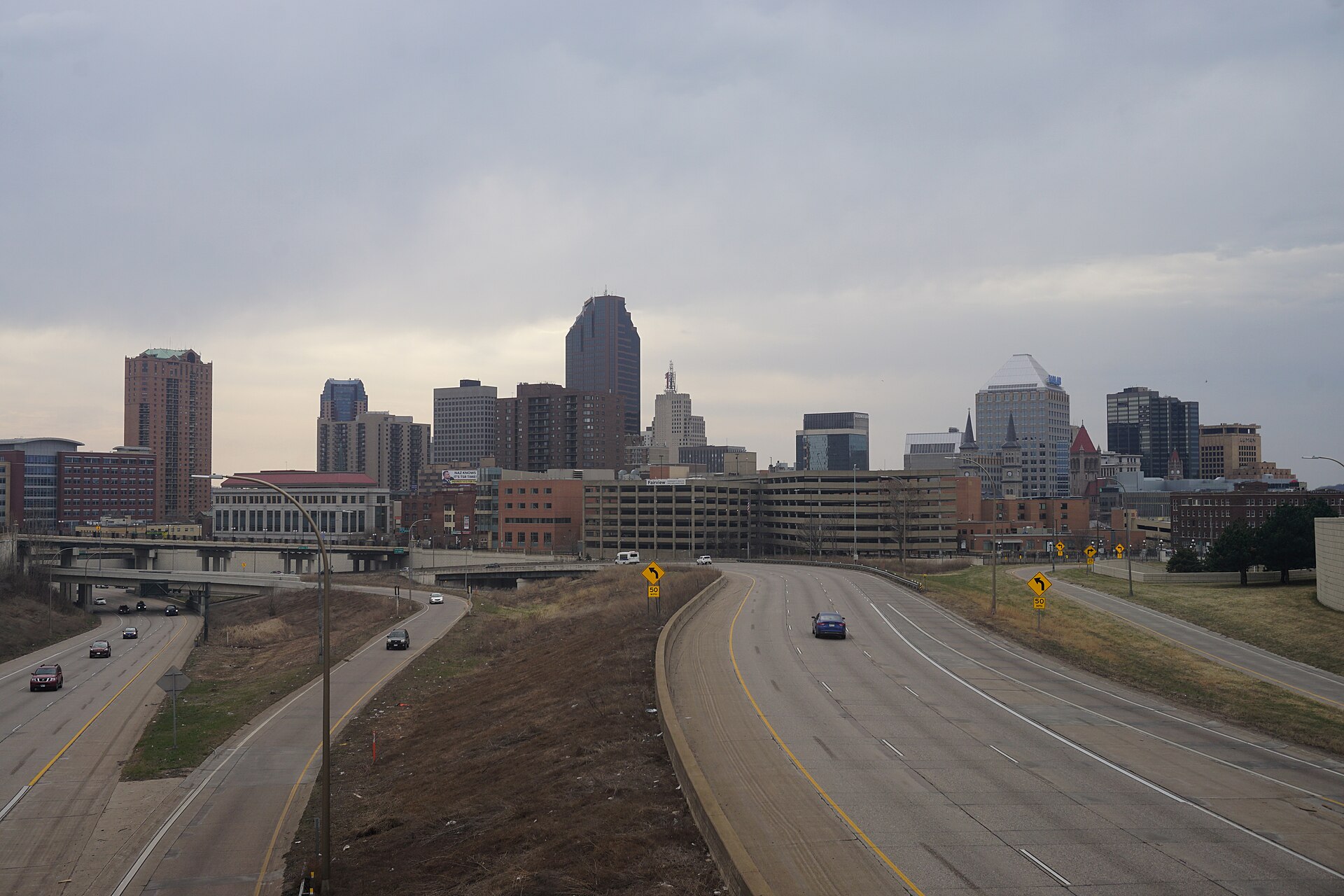
A $3,200 double album, mostly first takes, and a story that ends with the hero waking up. How Zen Arcade turned a hardcore band into a template for what came after.

Cabaret Voltaire began with tape loops in a Sheffield attic. Their own studio at Western Works kept the sound theirs.
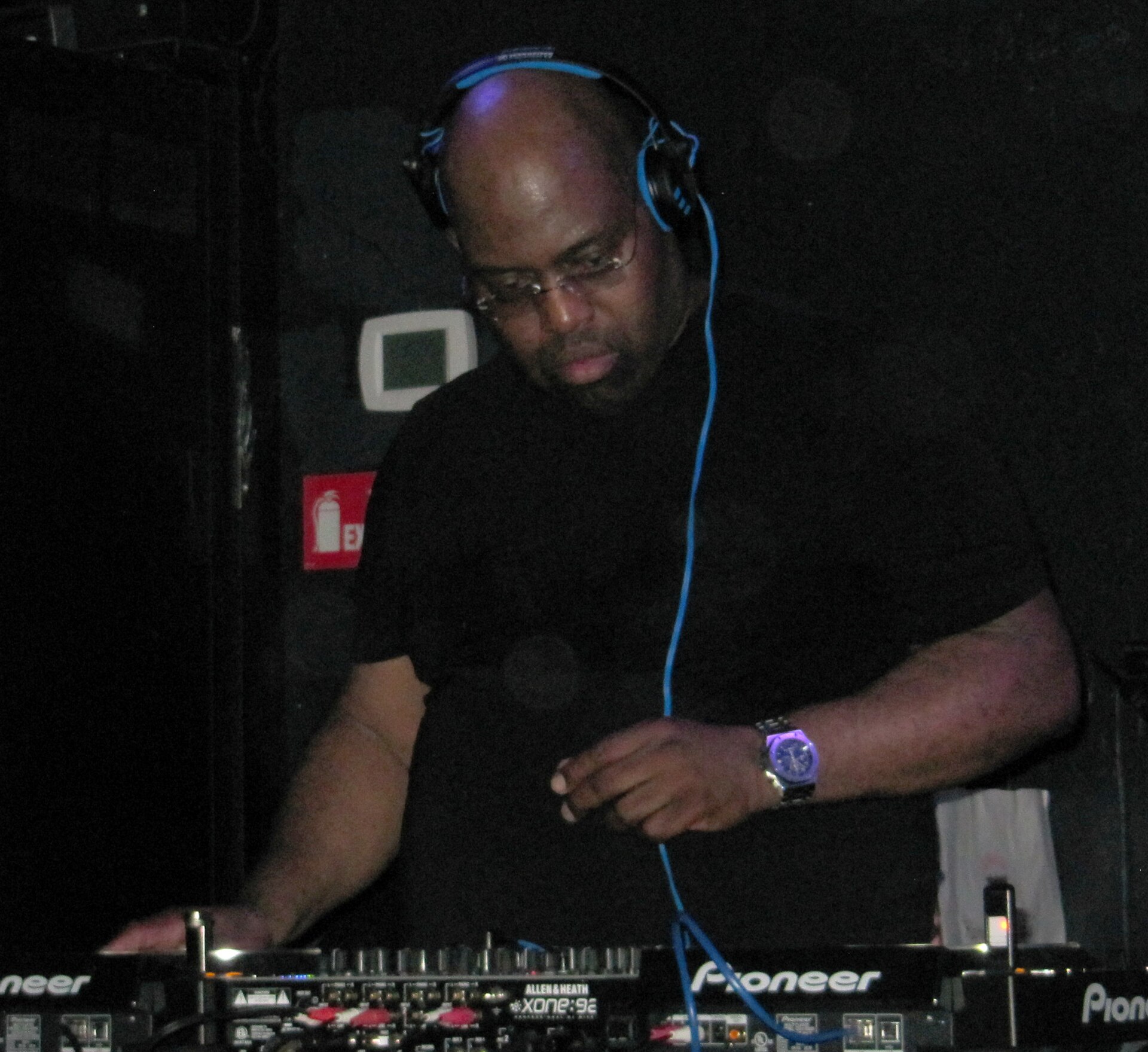
A three-story former factory, a juice bar and a members-only door. The Warehouse never set out to name a genre, and the sources still disagree on how it did.
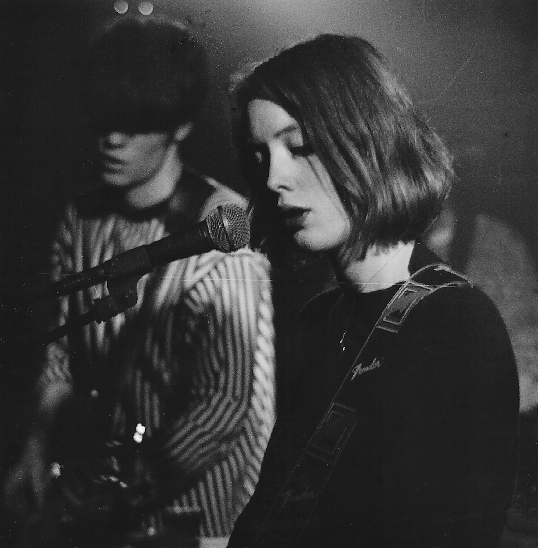
Shoegaze got its name from a joke, a band called Moose and a set of accounts that still disagree. Here is what the record shows.