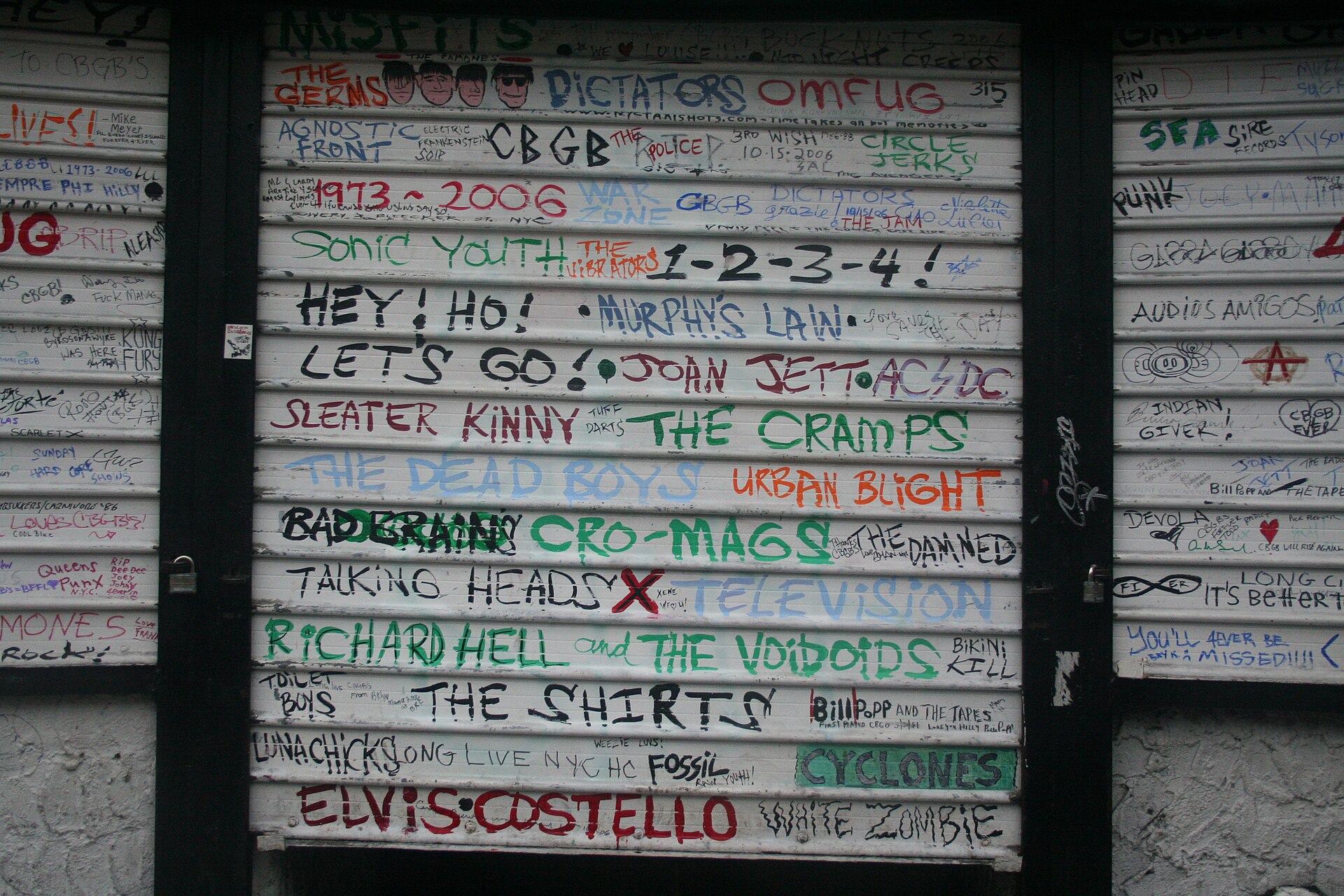
CBGB was meant for country, bluegrass and blues. Two plain house rules, carry your own gear and play your own songs, made it the room where New York punk took shape.
A three-story former factory, a juice bar and a members-only door. The Warehouse never set out to name a genre, and the sources still disagree on how it did.
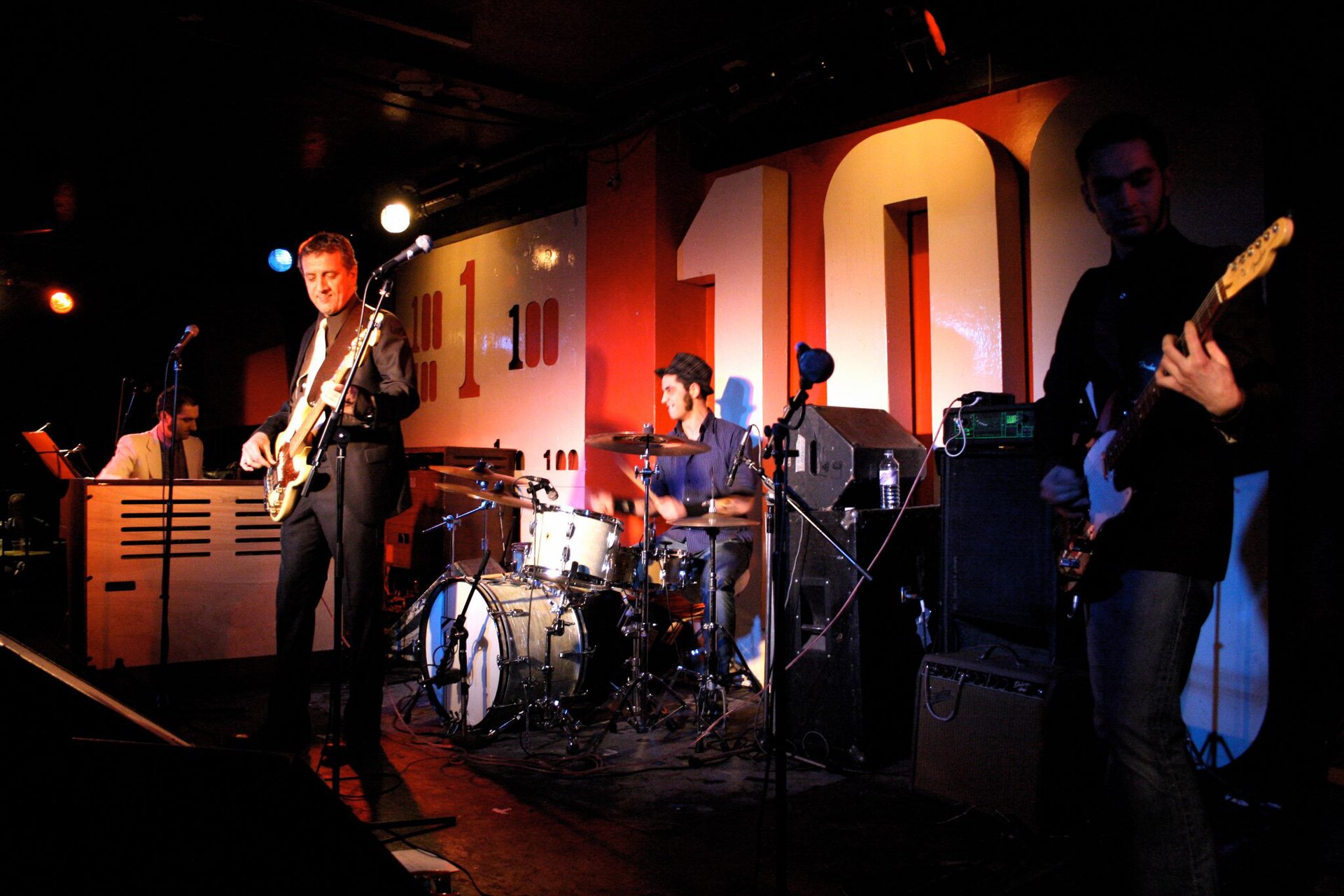
How a 1942 swing club on Oxford Street became the room where British punk found its audience in September 1976.
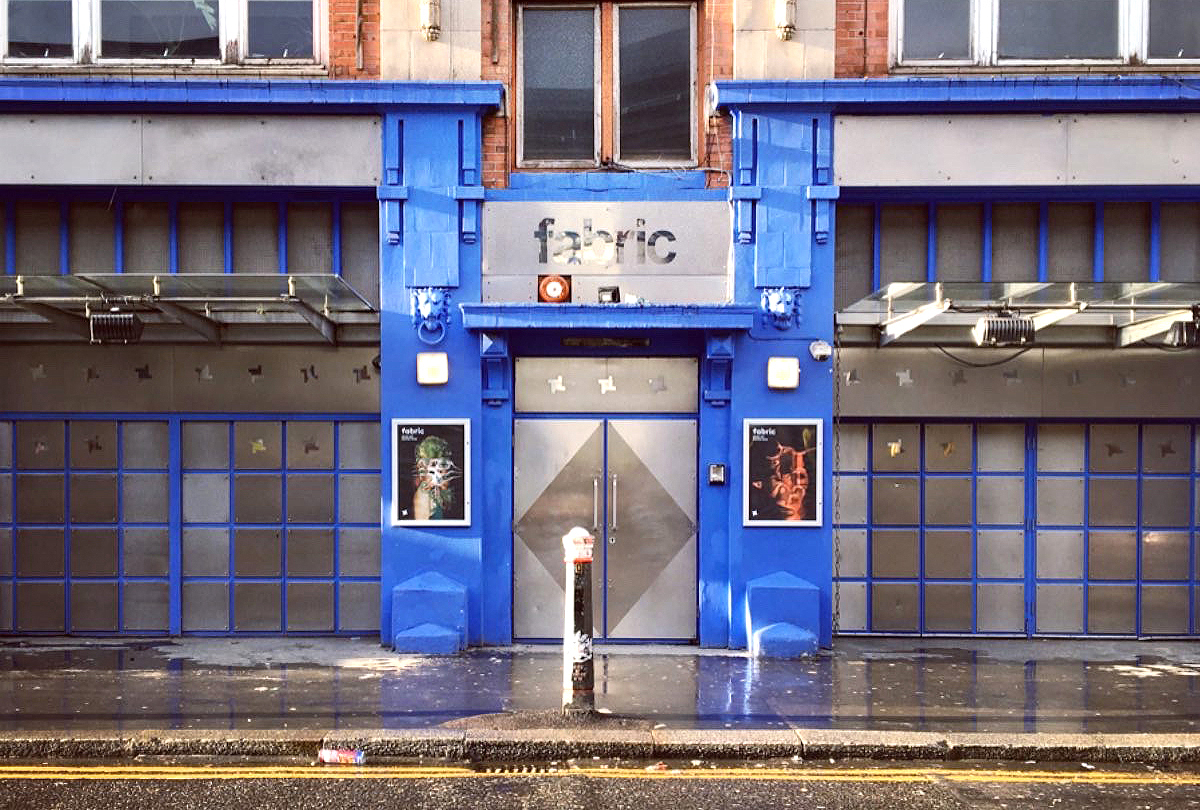
Most clubs treat the floor as a place to stand. In October 1999, fabric opened beneath Smithfield Market in London and treated it as a loudspeaker. The idea was simple enough to explain and strange enough to feel: if low frequencies can be felt as well as heard, put the machinery for feeling them in […]
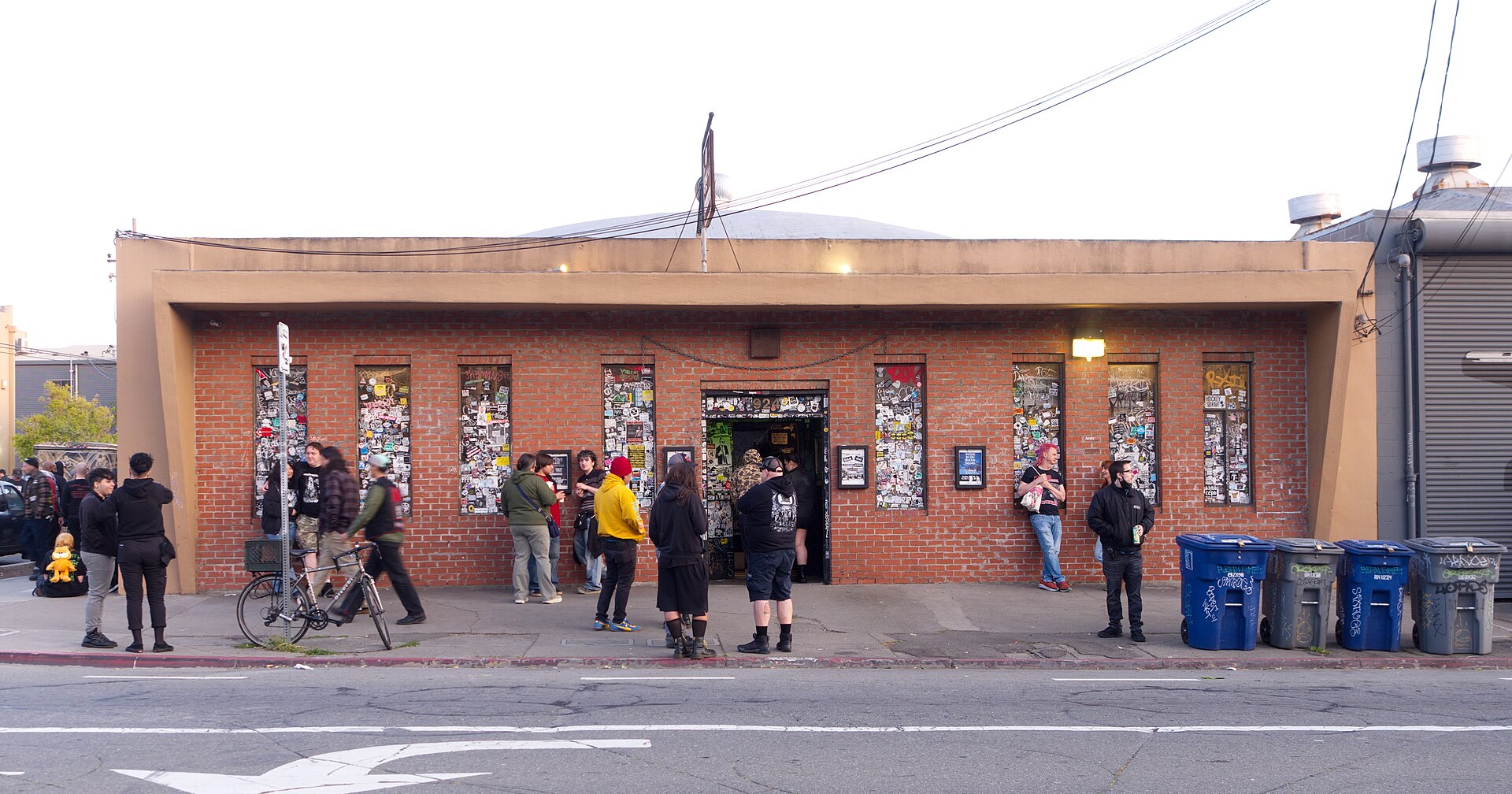
Gilman Street opened on 31 December 1986 with a ban on alcohol and a vote for every major decision. Four decades on, the governance is the thing that survived.
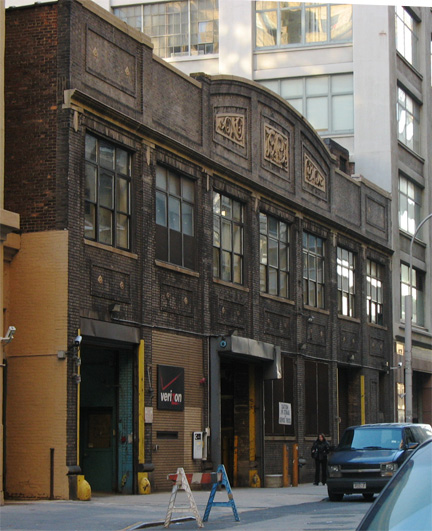
A members-only room in a former parking garage, a custom Richard Long sound system and a DJ who retuned it all night. How Paradise Garage made the dance floor an instrument.
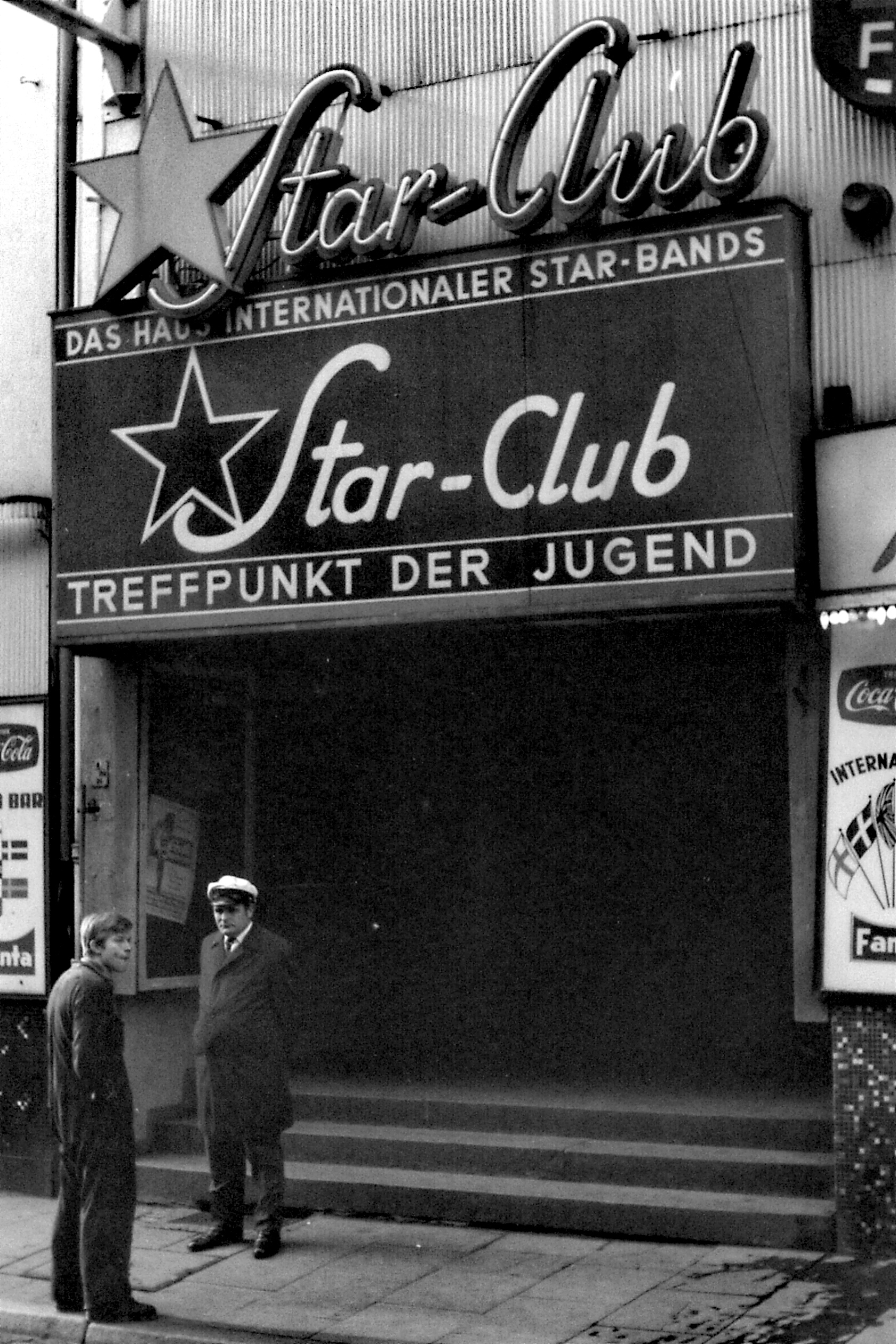
The Room That Was Built for Films Most legends about Hamburg’s Star-Club begin with the Beatles. Start instead with the building. Manfred Weissleder opened the club at Grosse Freiheit 39 on 13 April 1962, and the address was a former cinema. That detail explains almost everything about how the place worked. A cinema is a […
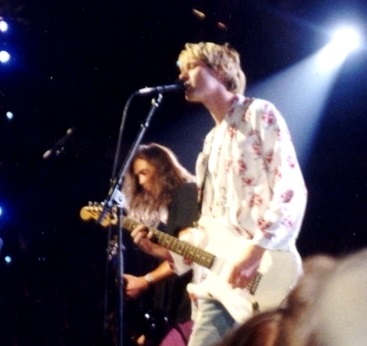
On November 2, 1989, a support band nobody outside Olympia, Washington had heard of opened for Tad at a club in Groningen, in the north of the Netherlands. About sixty people showed up. The band was Nirvana, two years before Nevermind, and the room they played had a legal capacity of five hundred. That gap, […]
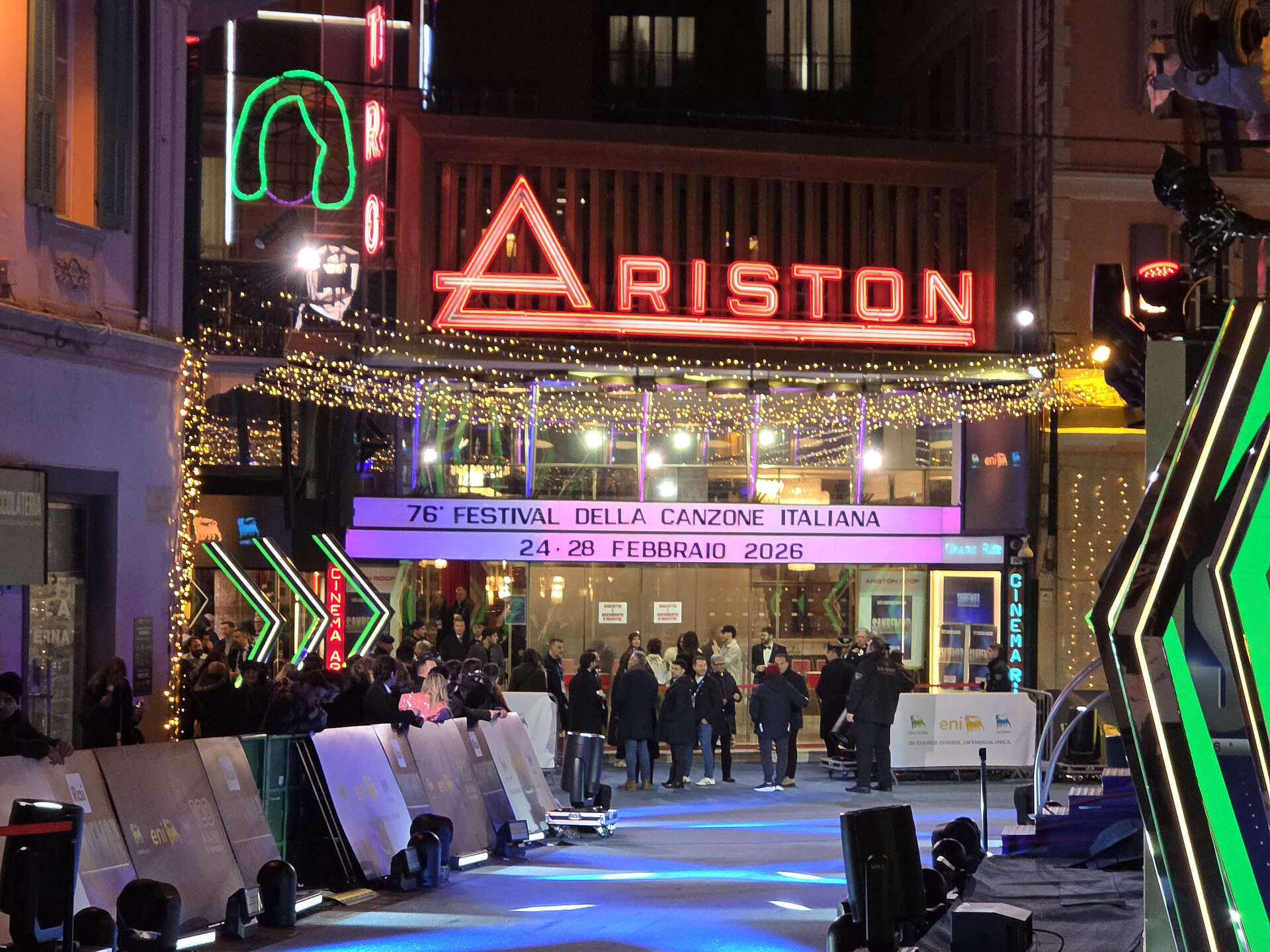
Sanremo Rock was born in 1987 in a separate building, with its own presenter and a satellite link back to the theatre. It took 31 years to get inside the Ariston.
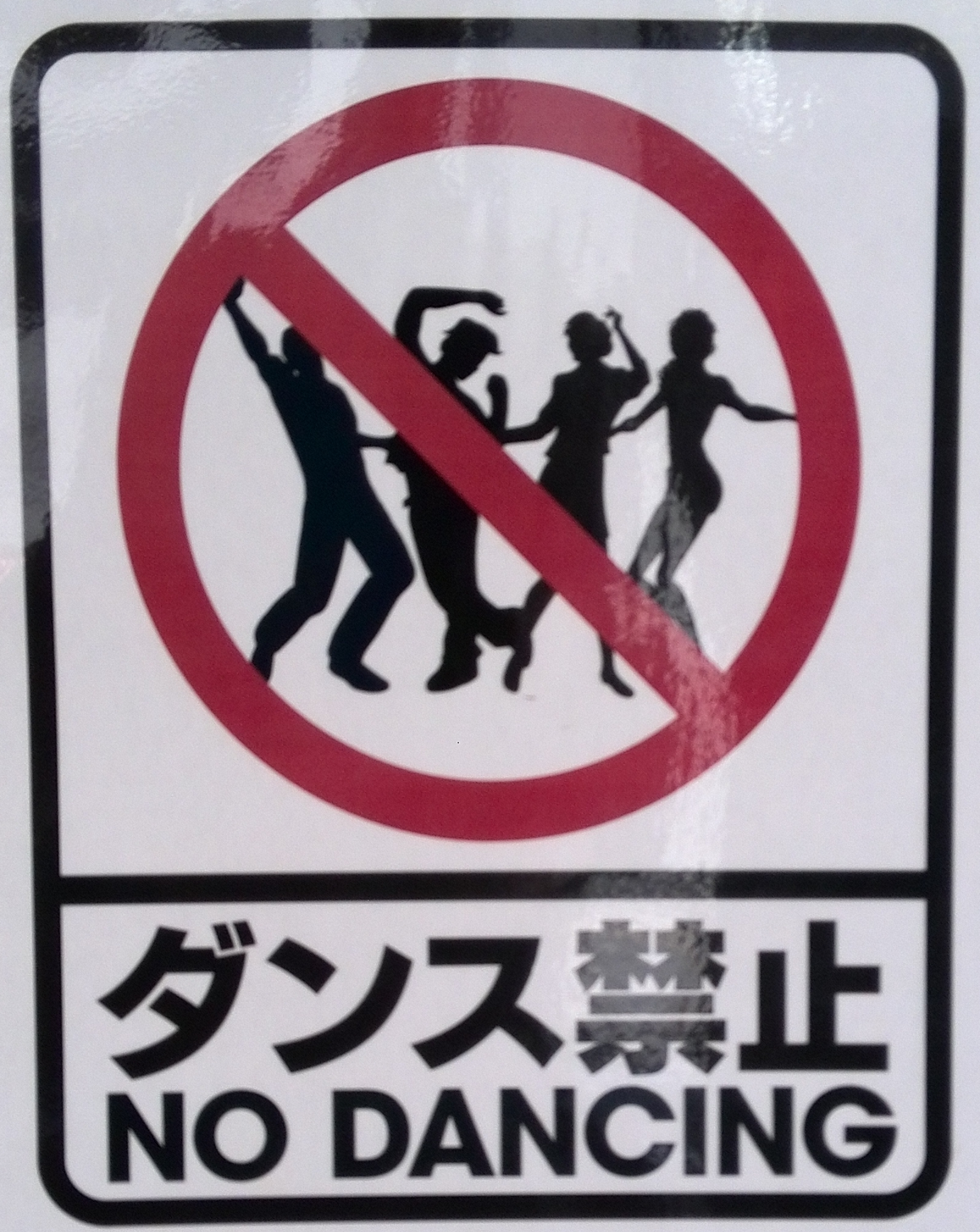
For most of Japan’s postwar era, the thing that could get a nightclub raided was not the volume, the hours or the drugs. It was the dancing. A 1948 Law Written for Dance Halls Fueiho, the Law Concerning Business Affecting Public Morals, was enacted in 1948 under the Allied occupation. Its actual target was prostitution […]