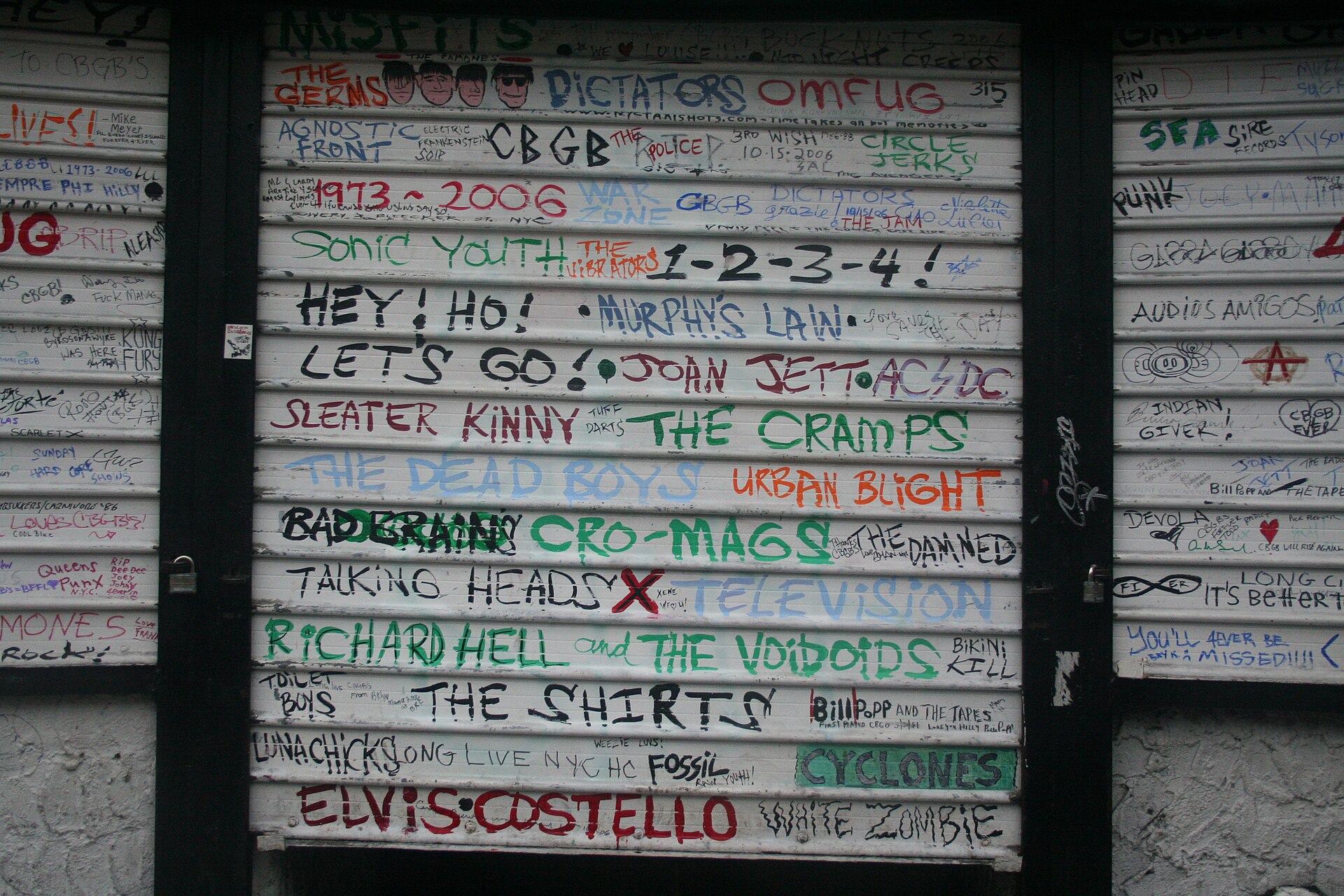
CBGB was meant for country, bluegrass and blues. Two plain house rules, carry your own gear and play your own songs, made it the room where New York punk took shape.
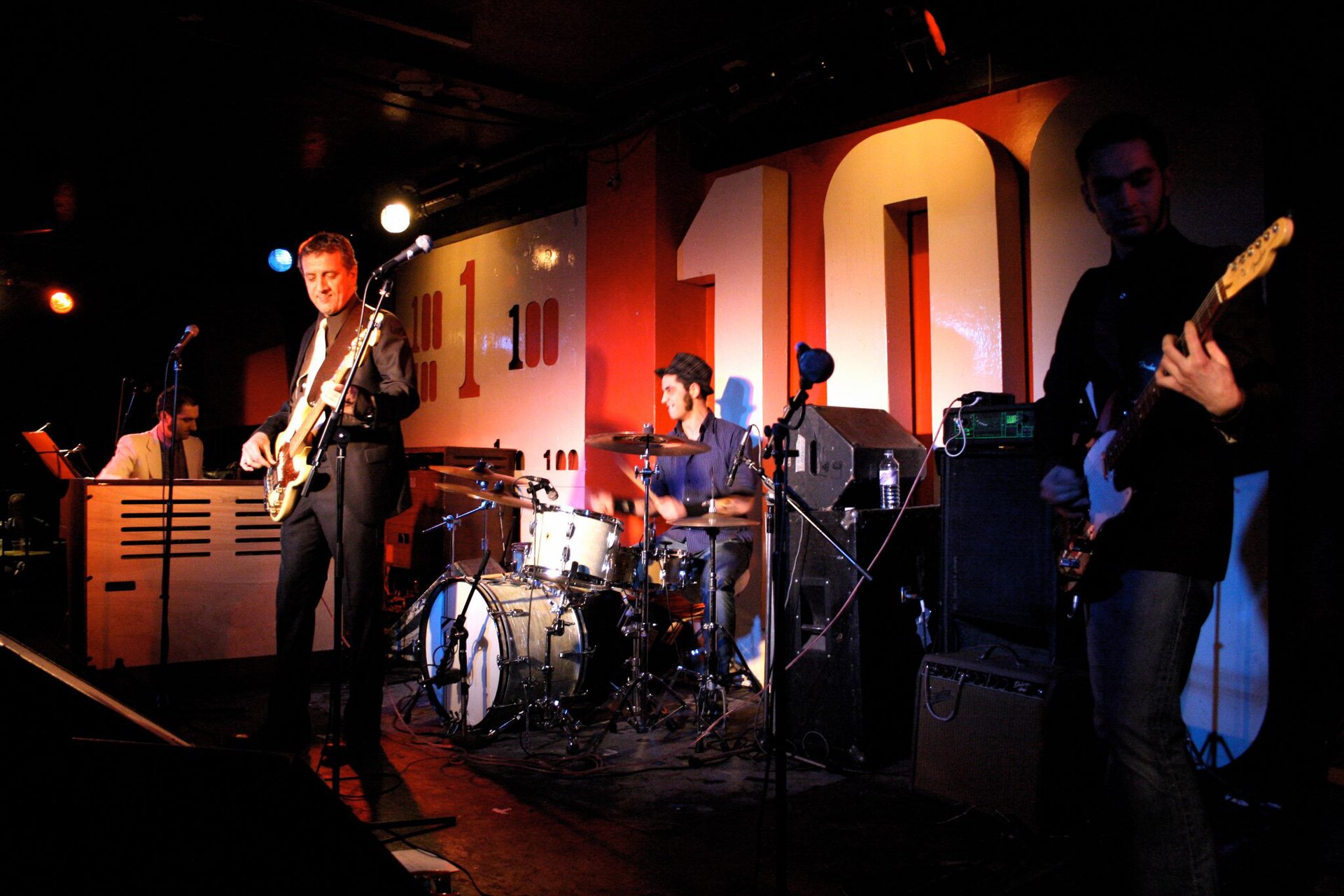
How a 1942 swing club on Oxford Street became the room where British punk found its audience in September 1976.
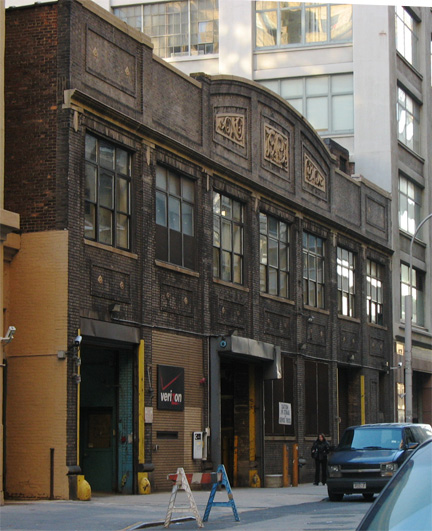
A members-only room in a former parking garage, a custom Richard Long sound system and a DJ who retuned it all night. How Paradise Garage made the dance floor an instrument.
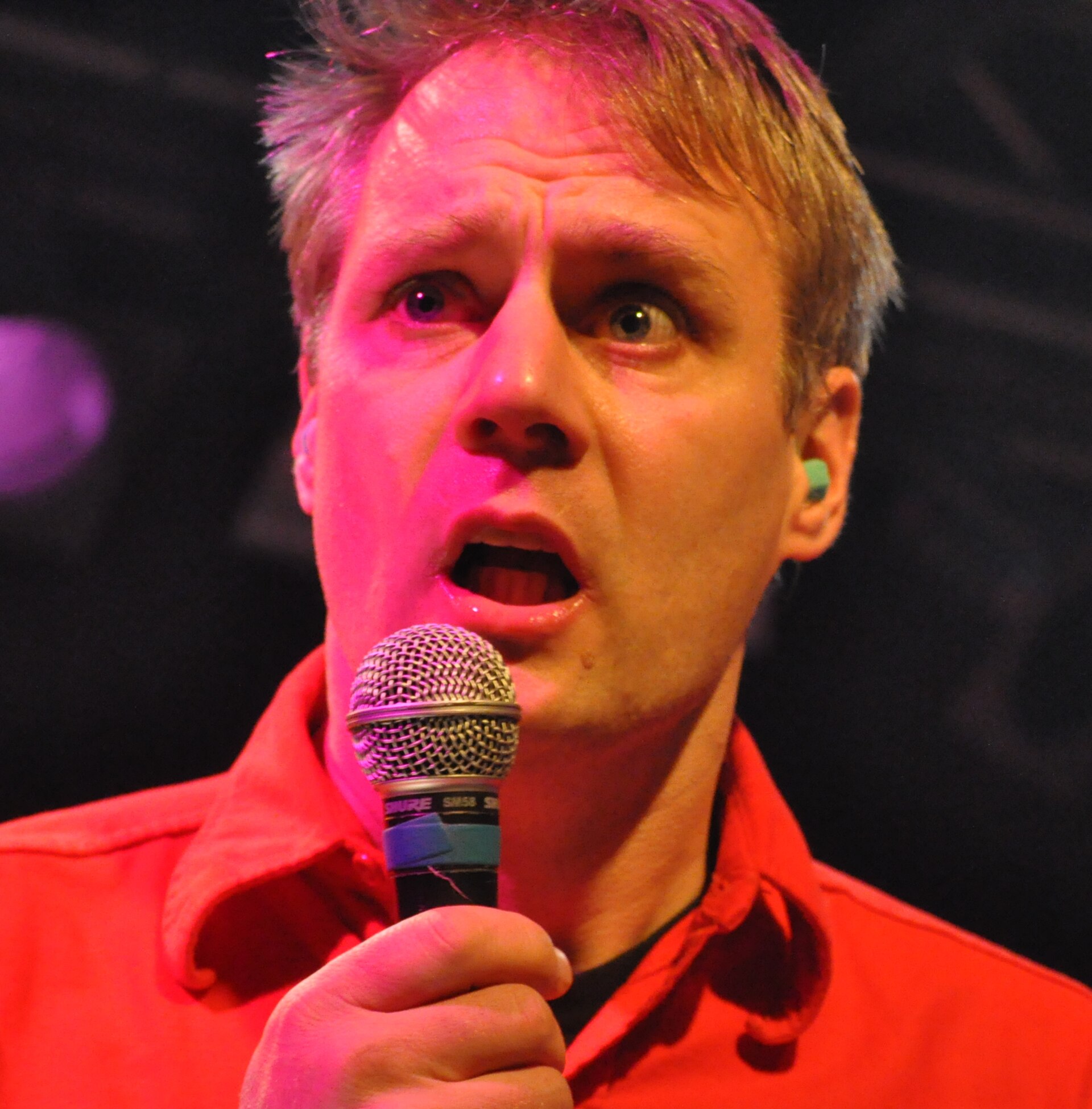
A label that began in a kitchen, a cassette series and a six-day convention. How K Records turned Olympia, Washington into an indie scene with its own rules.
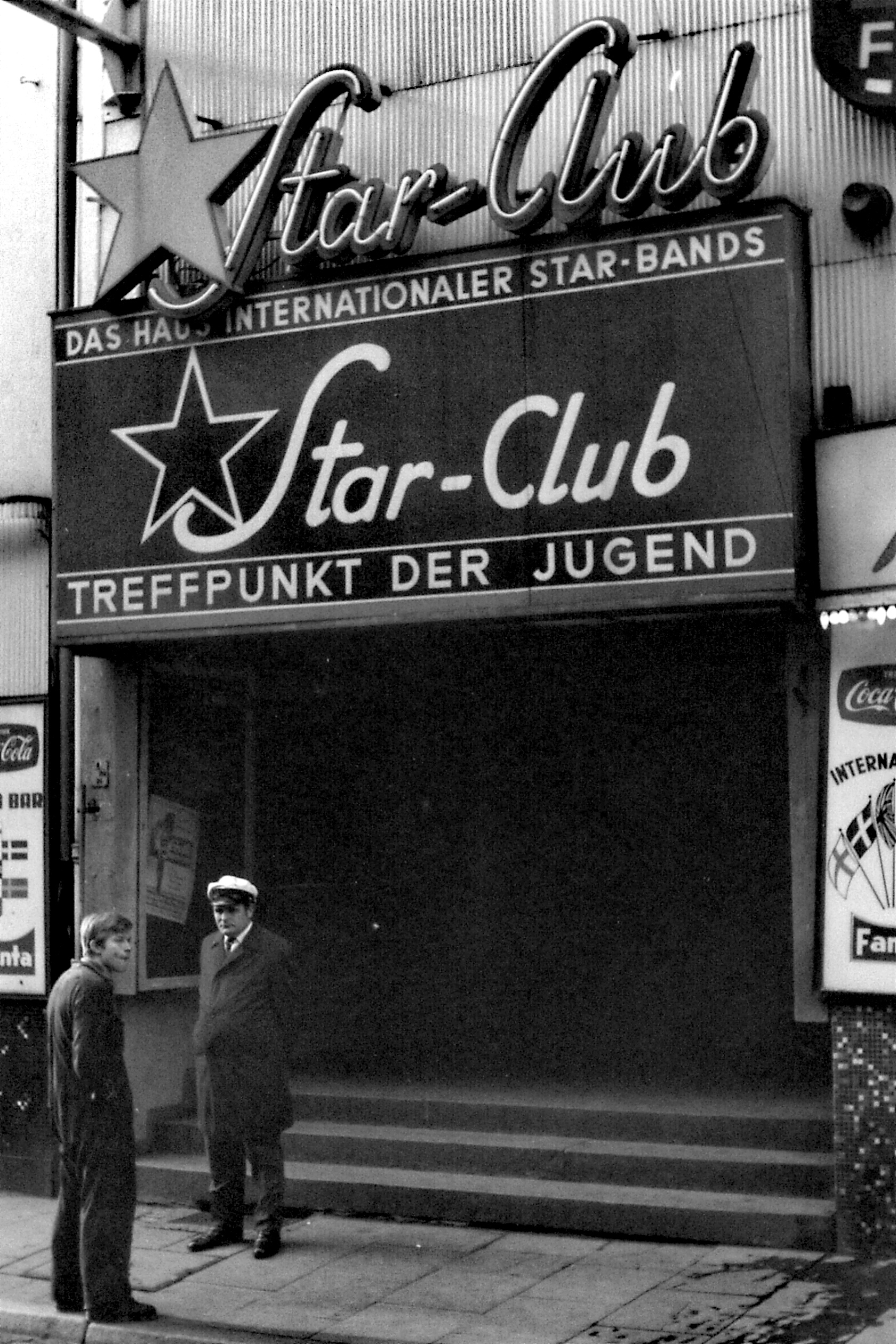
The Room That Was Built for Films Most legends about Hamburg’s Star-Club begin with the Beatles. Start instead with the building. Manfred Weissleder opened the club at Grosse Freiheit 39 on 13 April 1962, and the address was a former cinema. That detail explains almost everything about how the place worked. A cinema is a […
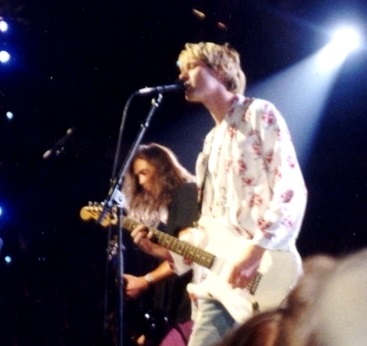
On November 2, 1989, a support band nobody outside Olympia, Washington had heard of opened for Tad at a club in Groningen, in the north of the Netherlands. About sixty people showed up. The band was Nirvana, two years before Nevermind, and the room they played had a legal capacity of five hundred. That gap, […]
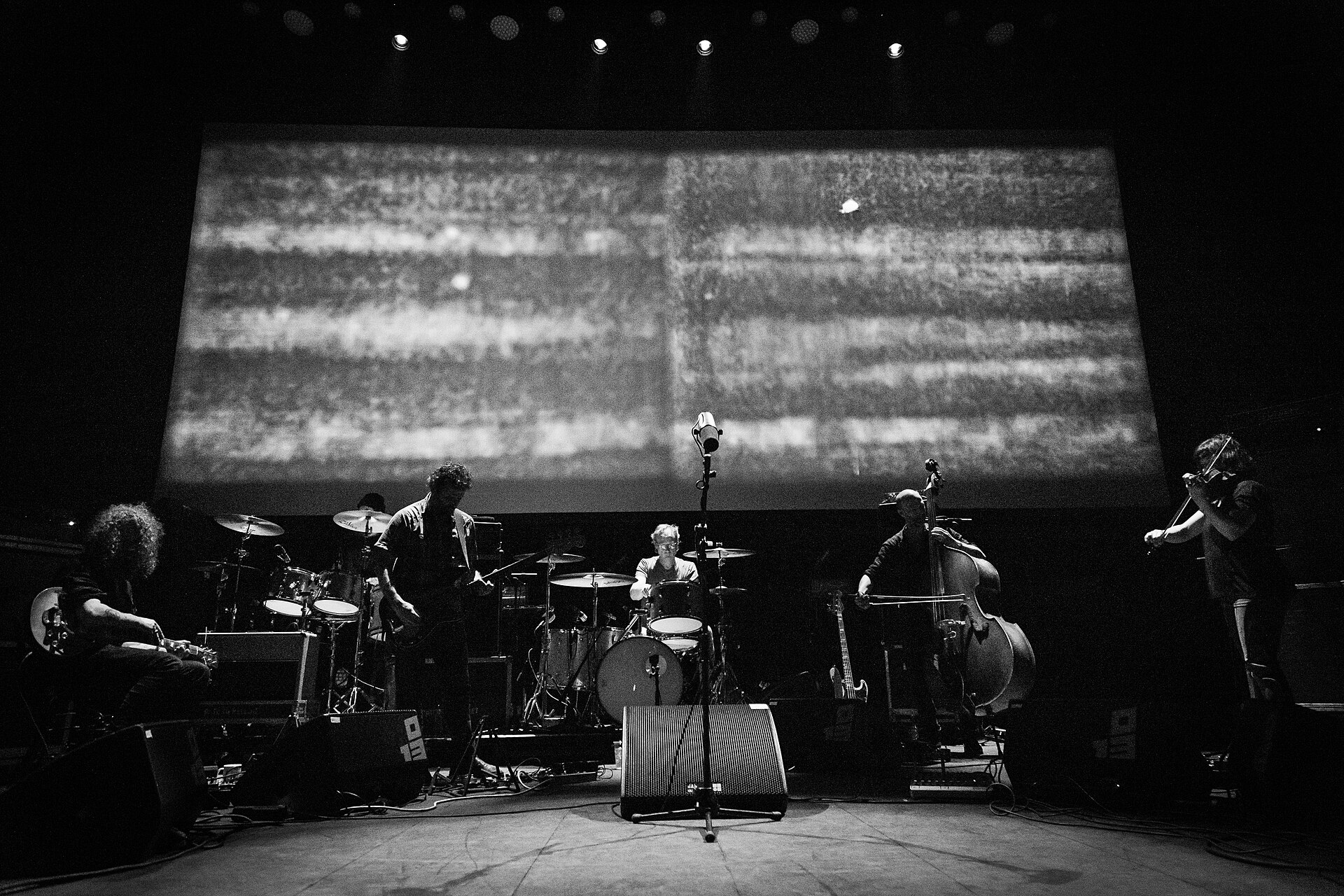
Montreal post-rock is usually explained as a sound. It is better explained as real estate: an Anglo exodus, a loft above a garage, 500 hand-glued LPs, and two venues opened by a bass player. How Mile End built the infrastructure first.
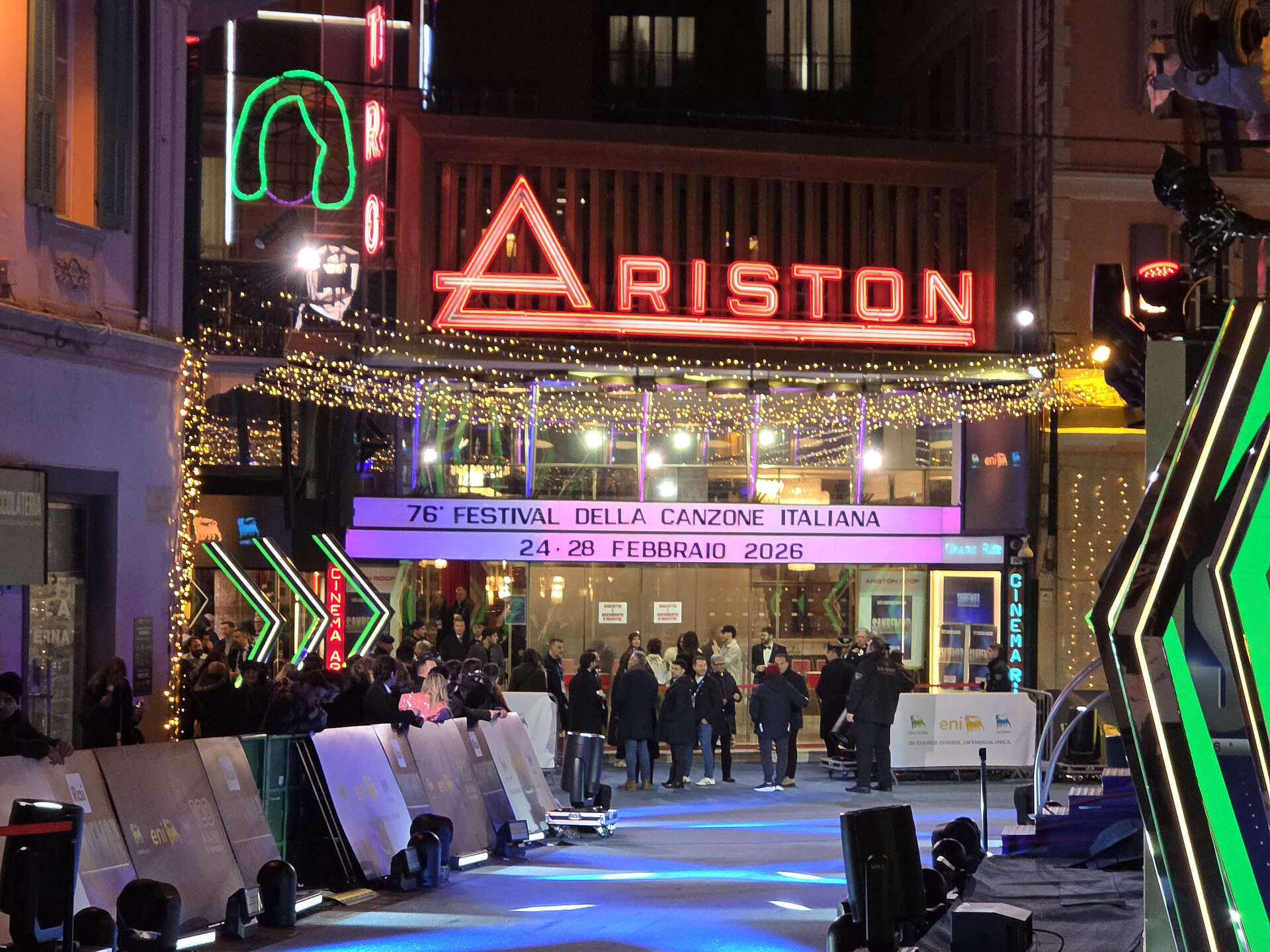
Sanremo Rock was born in 1987 in a separate building, with its own presenter and a satellite link back to the theatre. It took 31 years to get inside the Ariston.
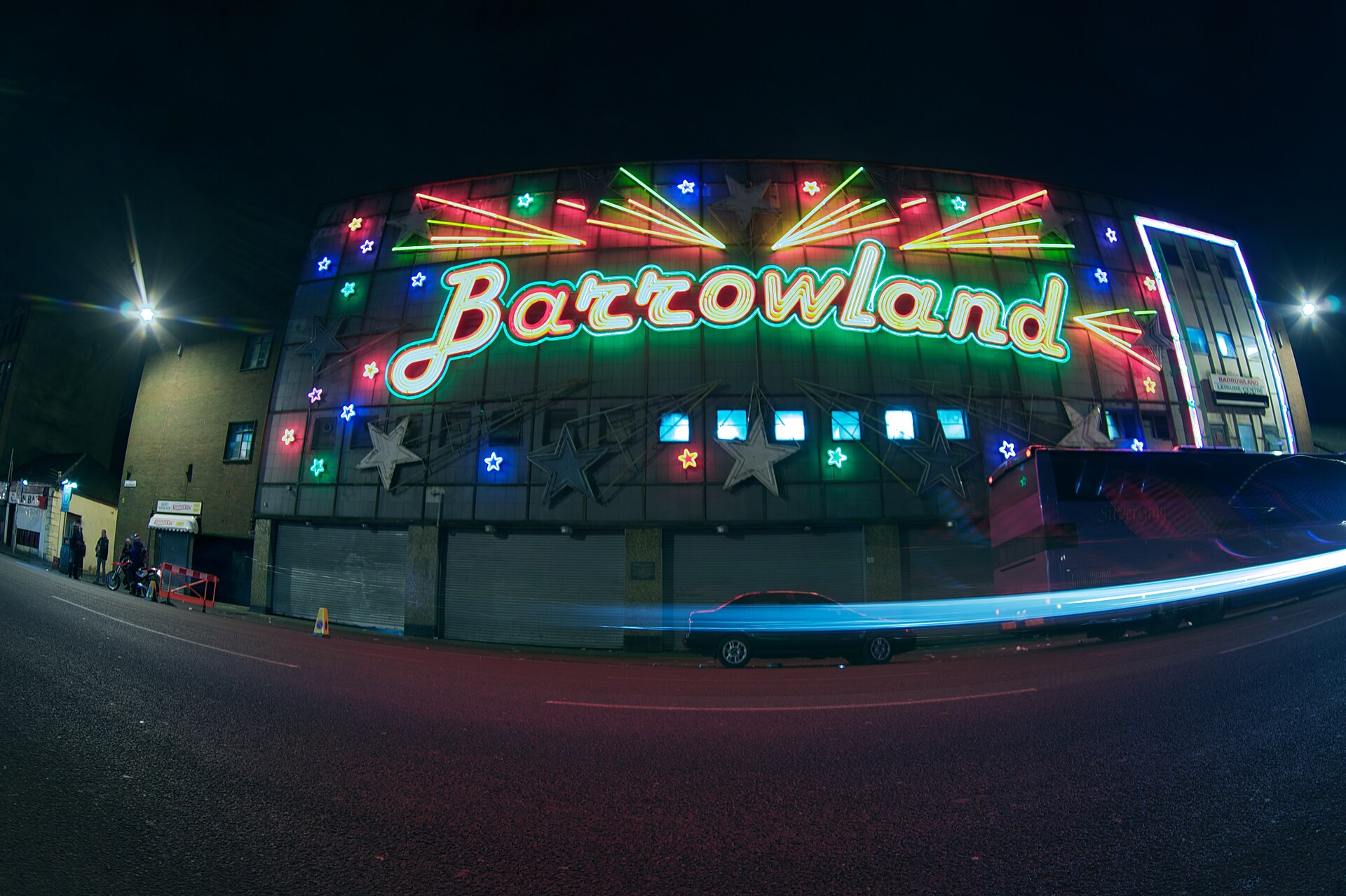
Ask a touring guitar band to name the best room they have ever played and a startling number of them, from every scene and every decade, land on the same answer: a former dancehall on Glasgow’s Gallowgate that was never designed for rock music at all. The Barrowland Ballroom was engineered in the 1930s for […]