A three-story former factory, a juice bar and a members-only door. The Warehouse never set out to name a genre, and the sources still disagree on how it did.
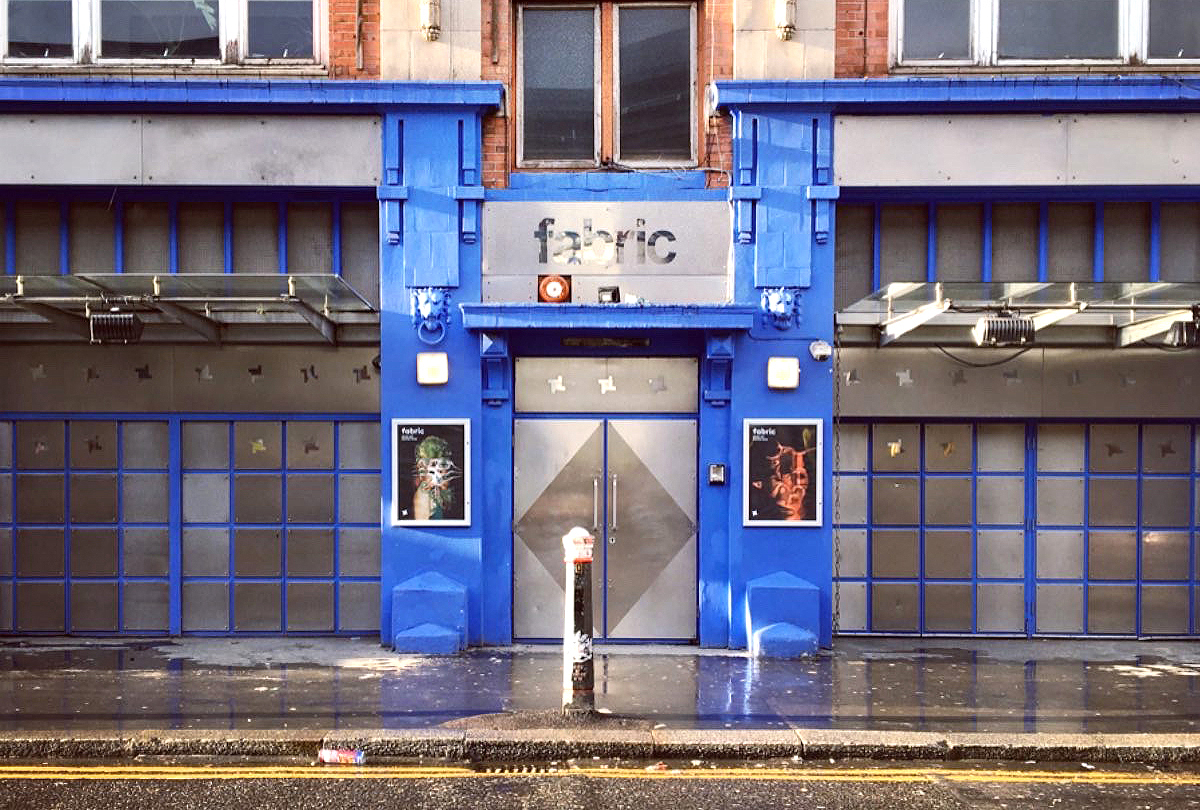
Most clubs treat the floor as a place to stand. In October 1999, fabric opened beneath Smithfield Market in London and treated it as a loudspeaker. The idea was simple enough to explain and strange enough to feel: if low frequencies can be felt as well as heard, put the machinery for feeling them in […]
David Mancuso, born 20 October 1944, built The Loft as an invitation-only home party with a serious sound system and no alcohol. Most of the modern club still follows his rules.
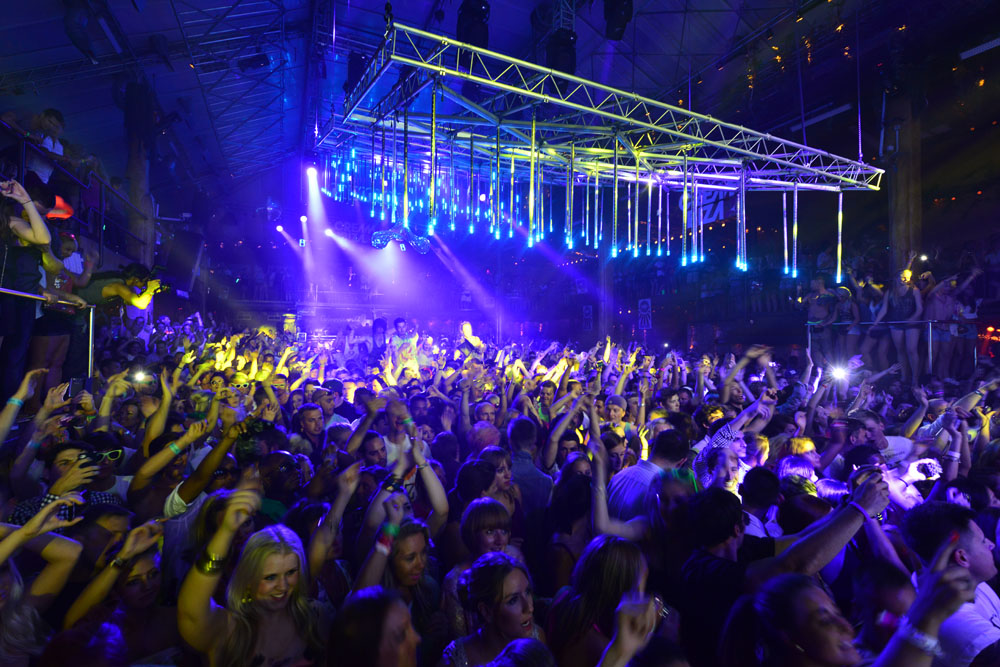
Most dance scenes can be traced to a record, a machine or a room. The Balearic one is harder to pin down, because its founding document was a DJ’s running order, and the man who played it could not follow it home. Alfredo Fiorito, the Argentine who became the house selector of Amnesia in Ibiza, […]
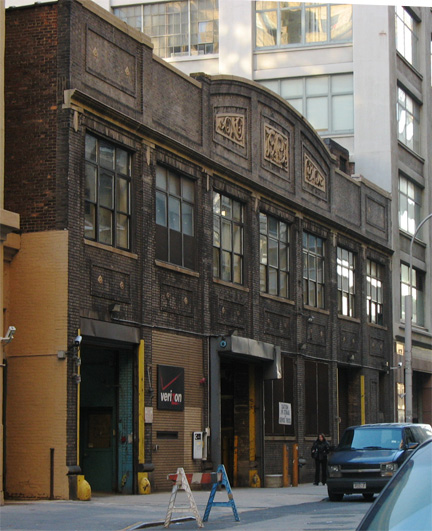
A members-only room in a former parking garage, a custom Richard Long sound system and a DJ who retuned it all night. How Paradise Garage made the dance floor an instrument.

Cosmic disco was never really a genre. It was a club on Lake Garda, a DJ who played records at the wrong speed, and a cassette network that carried the room far beyond its 700 capacity.
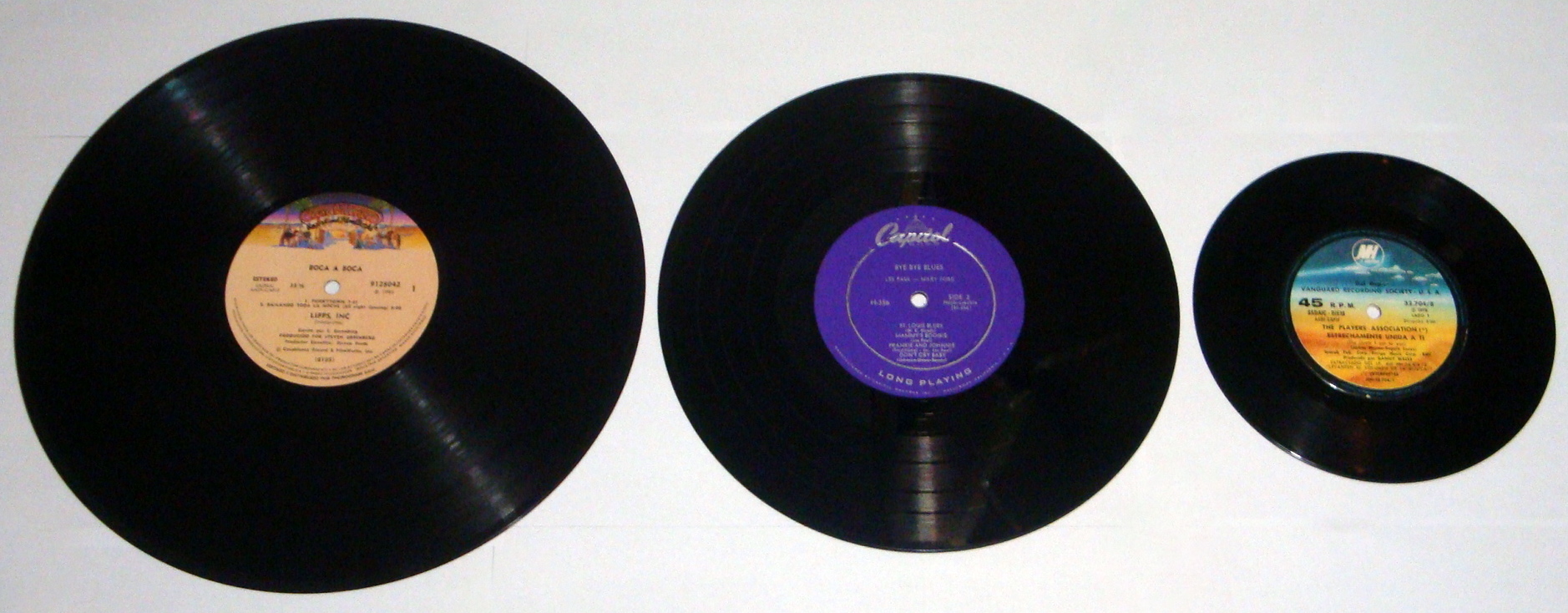
Mono bass is not a law of physics. It is a fix for a mechanical problem in a disc cutting lathe, and it outlived the machine for reasons nobody planned.
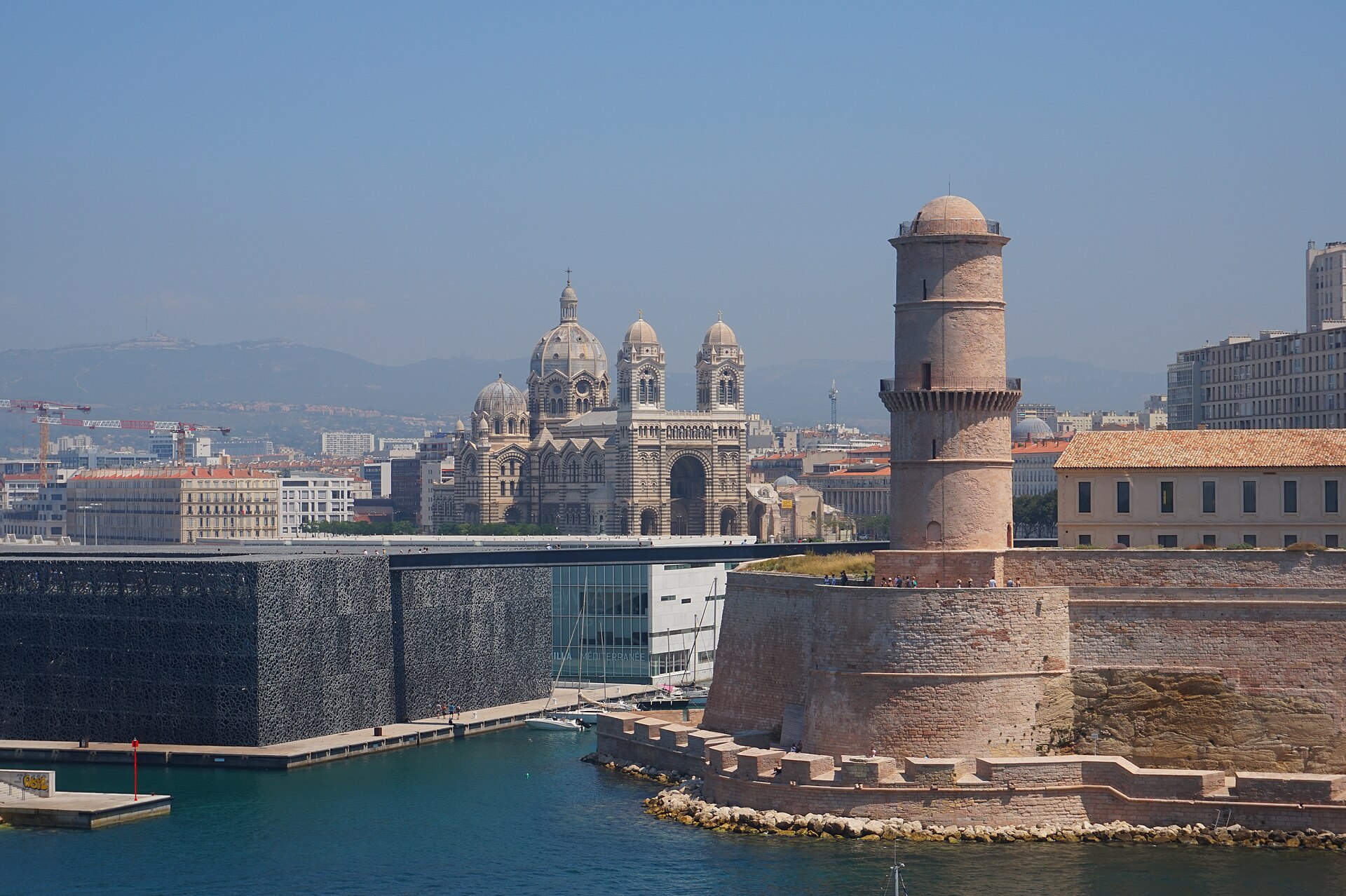
Marseille has no Paris style club economy and a thriving electronic underground anyway. The reason is structural: a converted tobacco factory, a rap festival that adopted the machines, and collectives that double as political spaces.
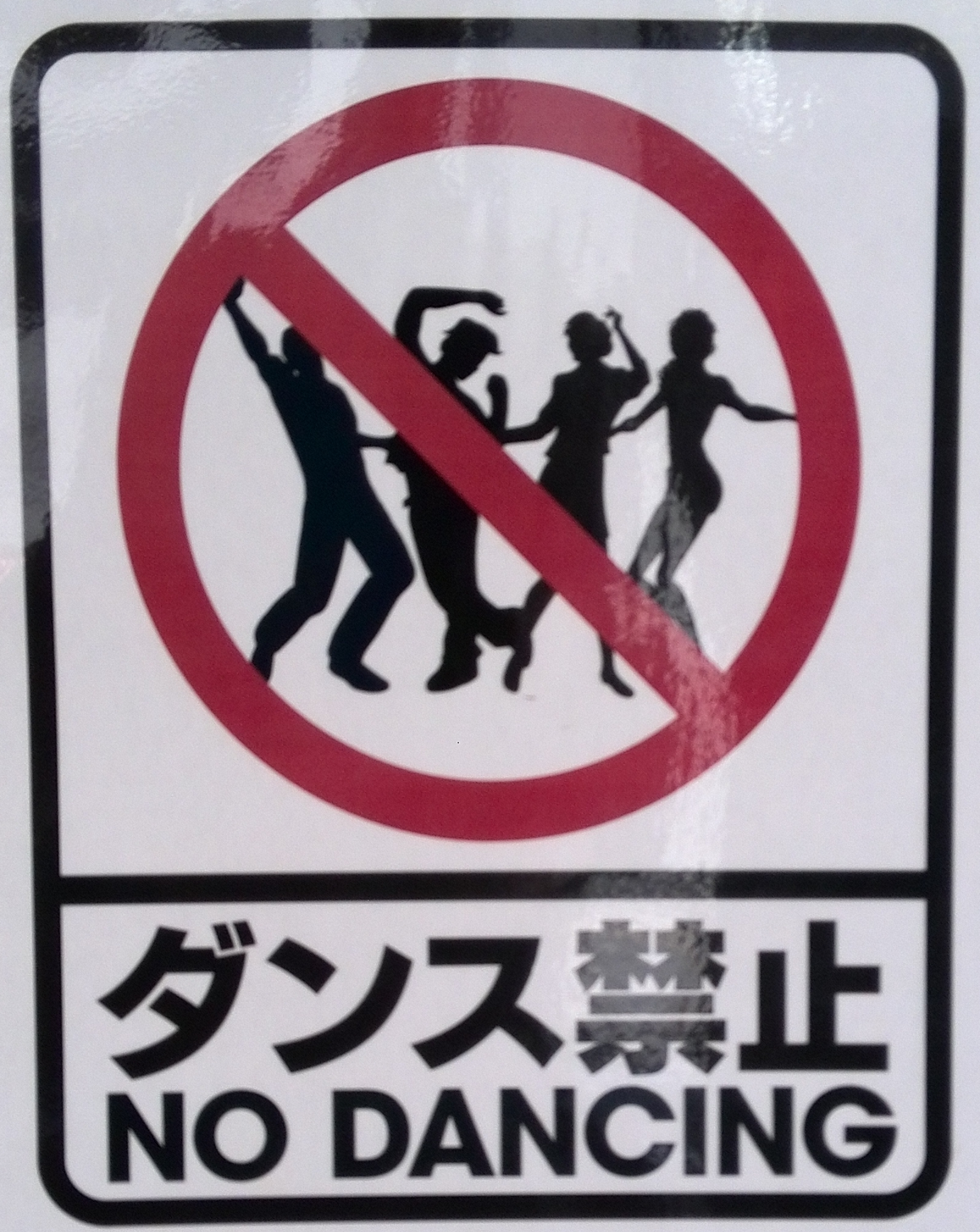
For most of Japan’s postwar era, the thing that could get a nightclub raided was not the volume, the hours or the drugs. It was the dancing. A 1948 Law Written for Dance Halls Fueiho, the Law Concerning Business Affecting Public Morals, was enacted in 1948 under the Allied occupation. Its actual target was prostitution […]