

Juice, Reel-to-Reel and a Members-Only Door: How Chicago’s Warehouse Gave House Music Its Name Before Anyone Knew It Was a Genre
The club that lent its name to house music never called its music house. The Warehouse, at 206 South Jefferson Street in downtown Chicago, opened in March 1977 as a members-only dance party in a three-story former factory with the windows blacked out. The genre label came later, and even now the accounts of how it arrived do not agree.
A Private Room With a Juice Bar
Robert Williams, who had run an earlier Chicago venue called US Studio, founded the club. The crowd was mostly gay Black and Latino men, around five hundred of them on a busy night, dancing from midnight on Saturday into Sunday afternoon. Admission was about five dollars and the bar served juice and water, a format borrowed from David Mancuso’s Loft in New York.
That structure mattered. A membership door meant the room belonged to the people inside it, and a dancefloor with no alcohol bar ran on music and stamina instead. Williams needed a DJ who could hold that floor for ten hours.
The DJ From New York
He found Frankie Knuckles, who came out from New York after Larry Levan, a friend from their teenage years, chose to build the Paradise Garage instead. Williams handled the business and Knuckles handled the music. Knuckles stayed and worked the middle floor with disco records, reel-to-reel tape and rhythm patterns, extending and re-editing breaks so the floor never had to stop. Those edits are the practical seed of what Chicago producers later made from scratch with drum machines.
Two Stories About a Name
Ask where the word house comes from and you get two answers. One says Williams’s own posters billed the nights as house parties, so the label simply stuck to the club’s sound. The other says regulars called the club the House, and a Chicago record shop, Importes Etc., put the shortened name on racks for customers who wanted what they heard at the Warehouse. Knuckles himself said he had not realised the music had a name at all.
The honest summary is that both stories can be true. A nickname on the floor and a label in a shop would reinforce each other, which is how most scene vocabulary gets made.
Leaving and What Came After
Knuckles left around the turn of 1982 and 1983, with the accounts disagreeing on the exact timing and the reason. One points to the club doubling its admission and growing more commercial, another to a dispute over ownership and a floor that felt less safe. He opened the Power Plant, later the Powerhouse, and many dancers followed him. The owners started the Music Box on North Michigan Avenue and hired Ron Hardy, whose rougher, louder sets became a legend of their own.
The street outside has since been renamed Frankie Knuckles Way, in August 2004, and the old building has been recognised as a Chicago landmark. What the place left behind is simpler than the monuments. A closed door, a good sound system and a DJ with a tape machine produced a language that a whole world of dance music still speaks.
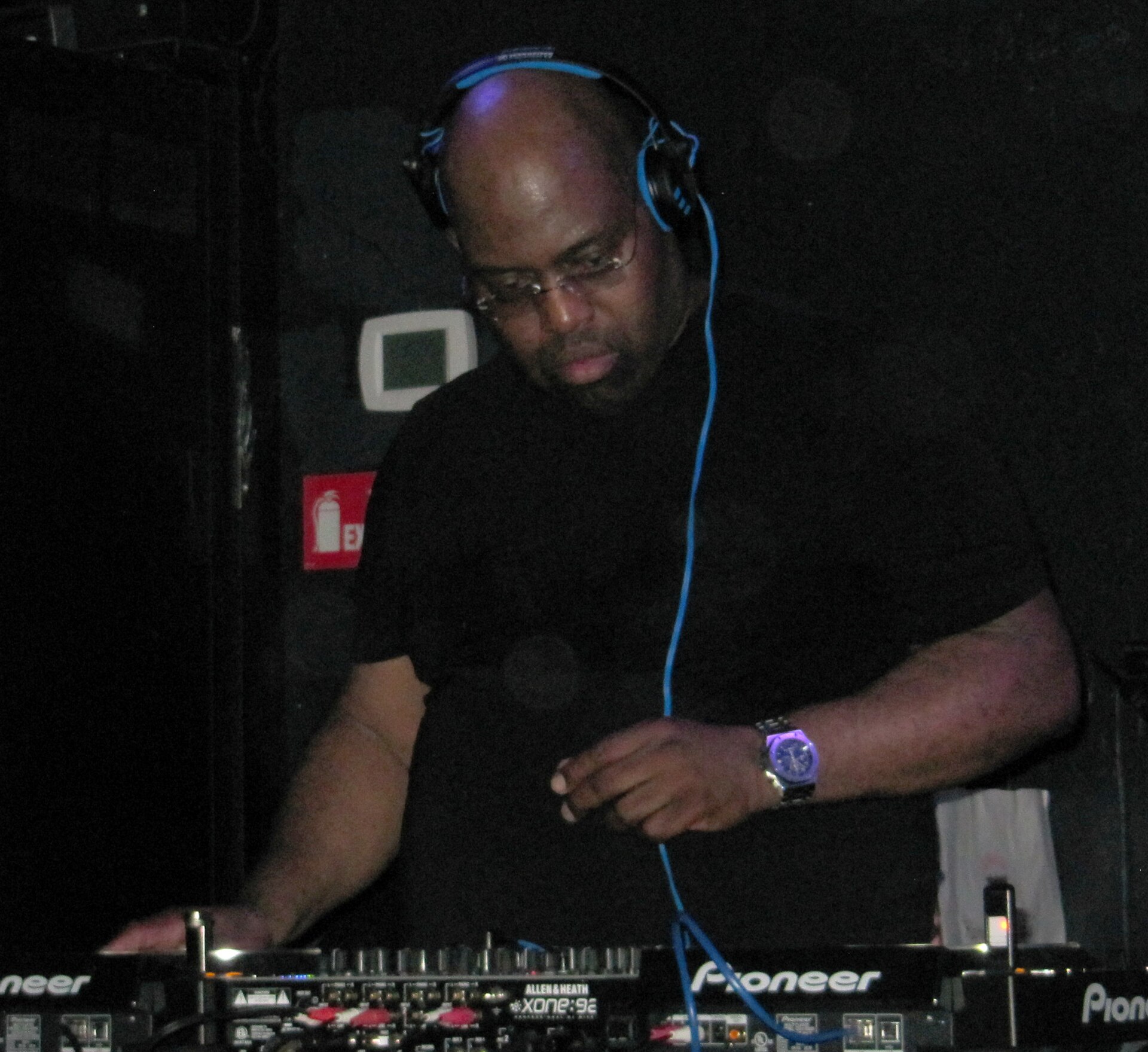
Cover photo: HaeB, CC BY-SA 4.0, via Wikimedia Commons




Leave a Reply