Cybotron's Clear fused Kraftwerk's machines with a funk bassline, then split the duo in two directions and gave Detroit techno its starting point.
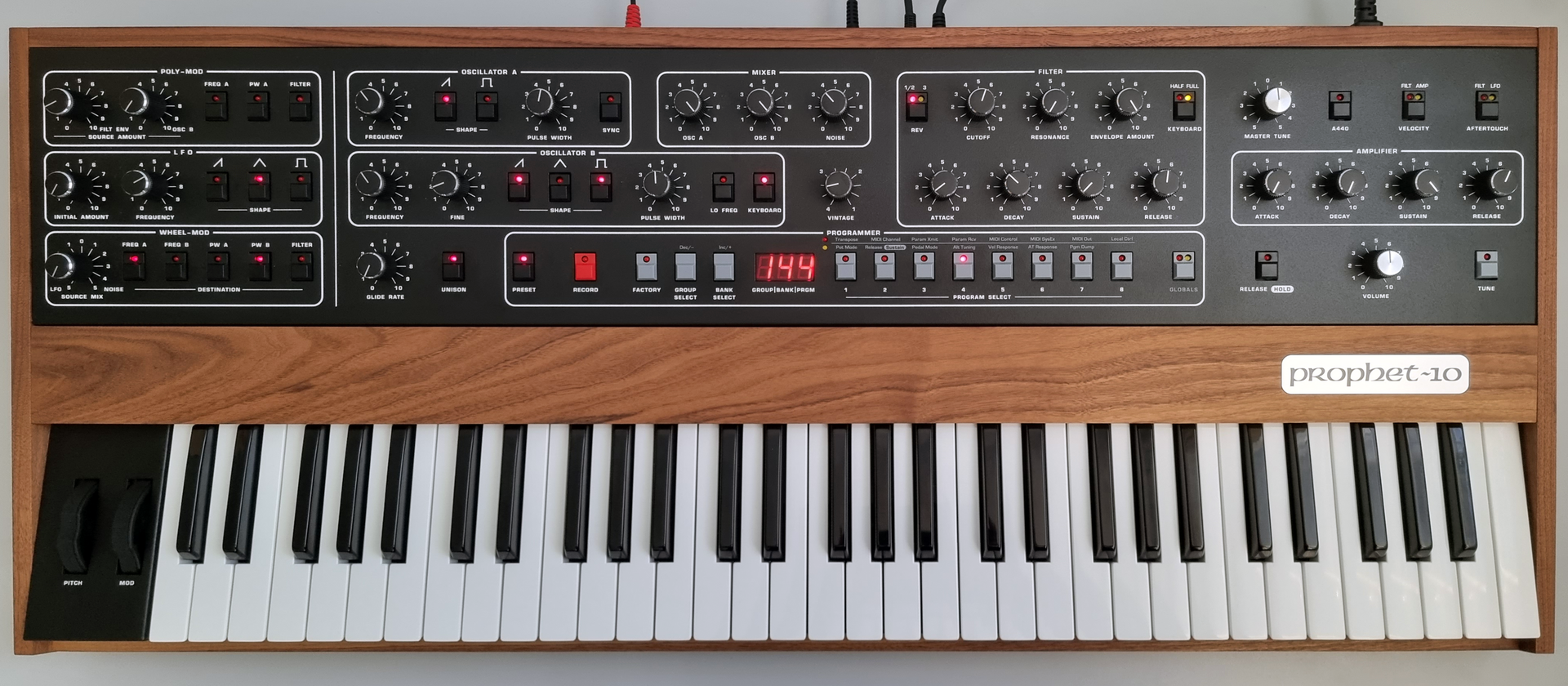
Before 1978 a synth sound lived in knob positions and a notebook. The Prophet-5 put a microprocessor behind the panel and made the patch something you could save.
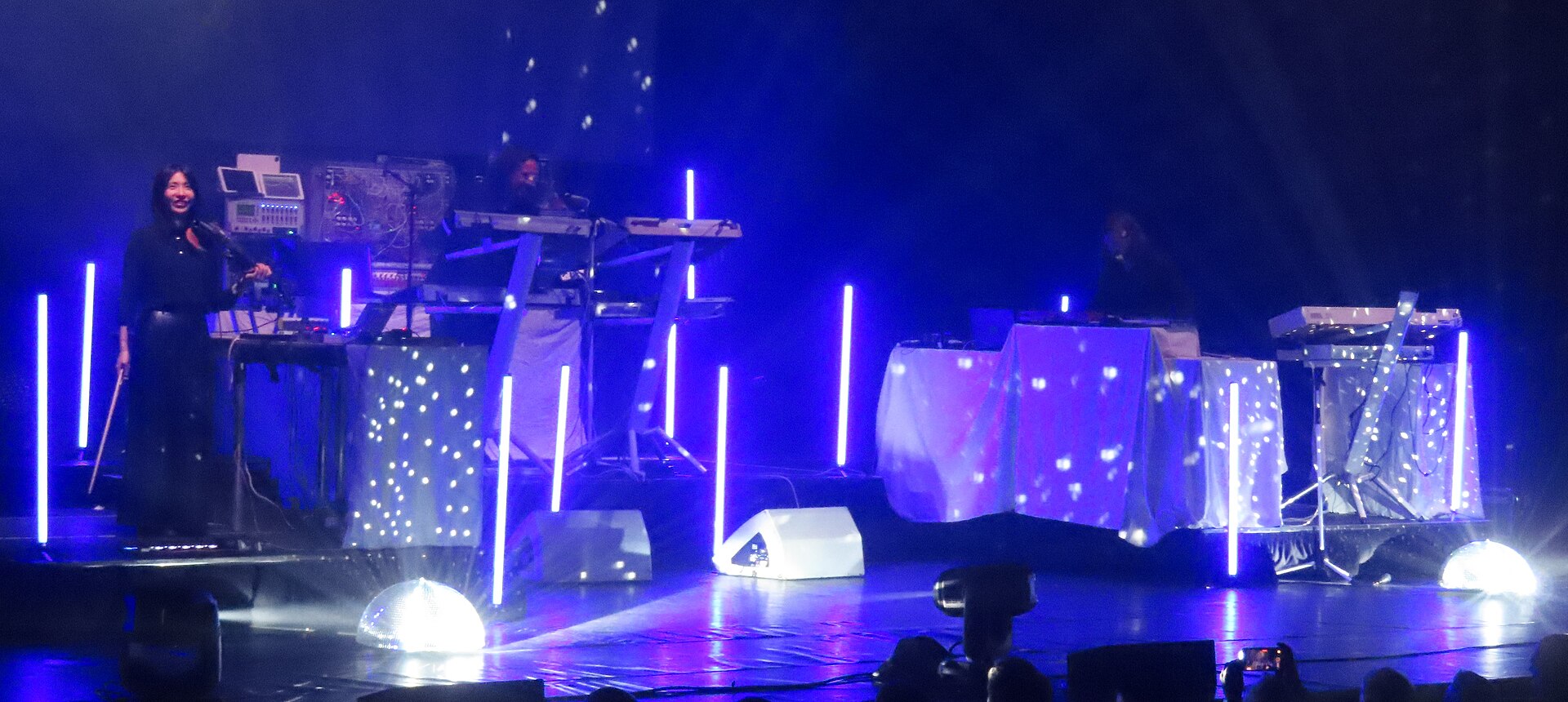
Tangerine Dream spent hours a day tuning a Moog that had no memory. The drift is on the record, and it is the best thing about it.
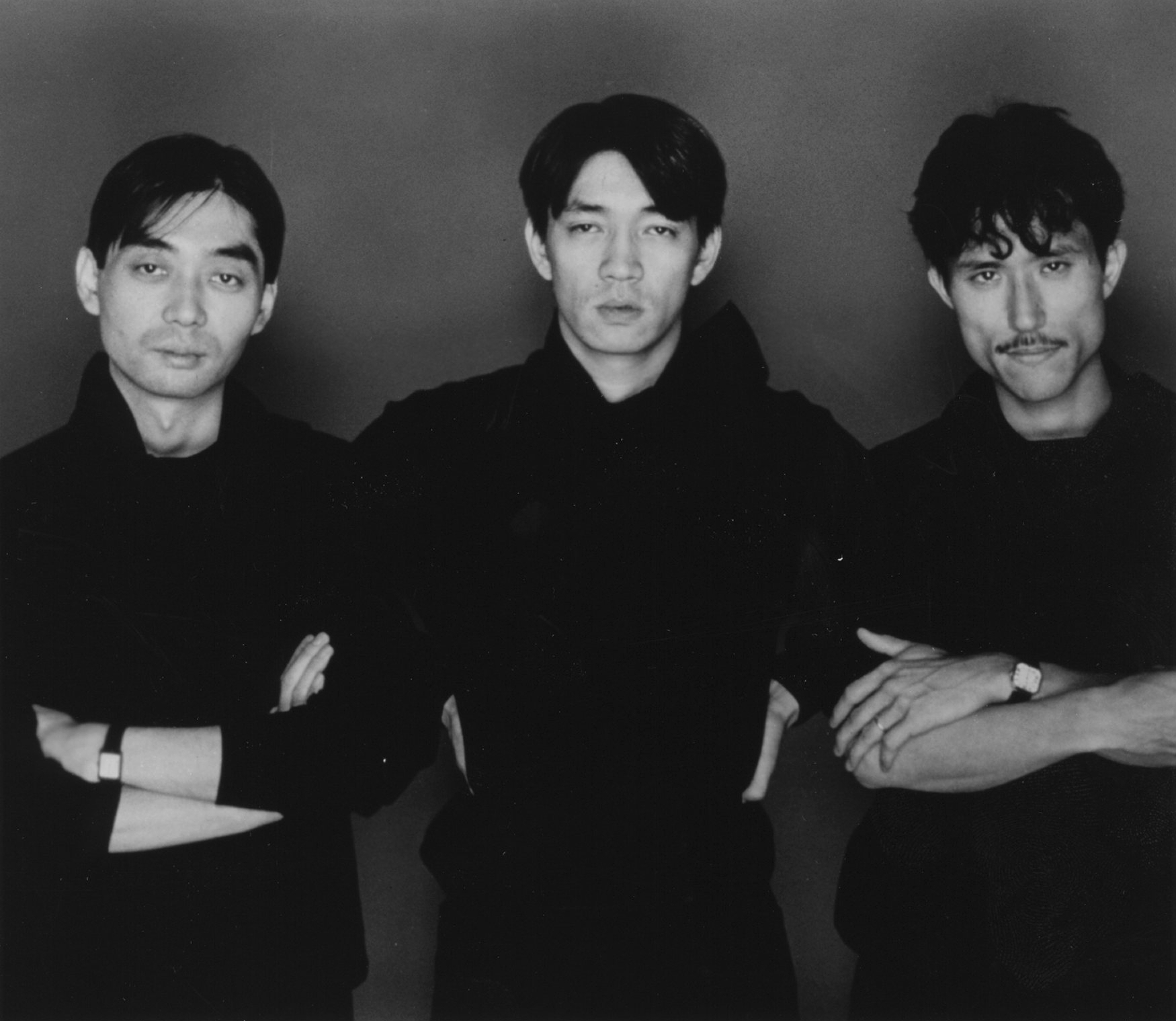
In 1981 Yellow Magic Orchestra made a record around a sampler that existed in a single hand-built copy. The ideas it carried travelled much further than the machine.
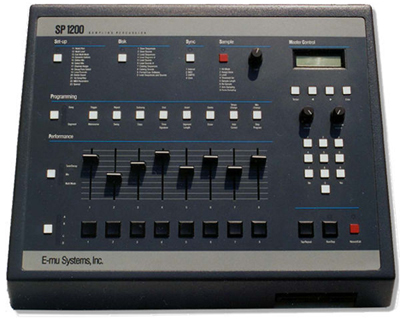
Ten seconds of memory, twelve bits and a sample rate half that of a CD. The E-mu SP-1200 was a limited machine, and the limits became a sound.
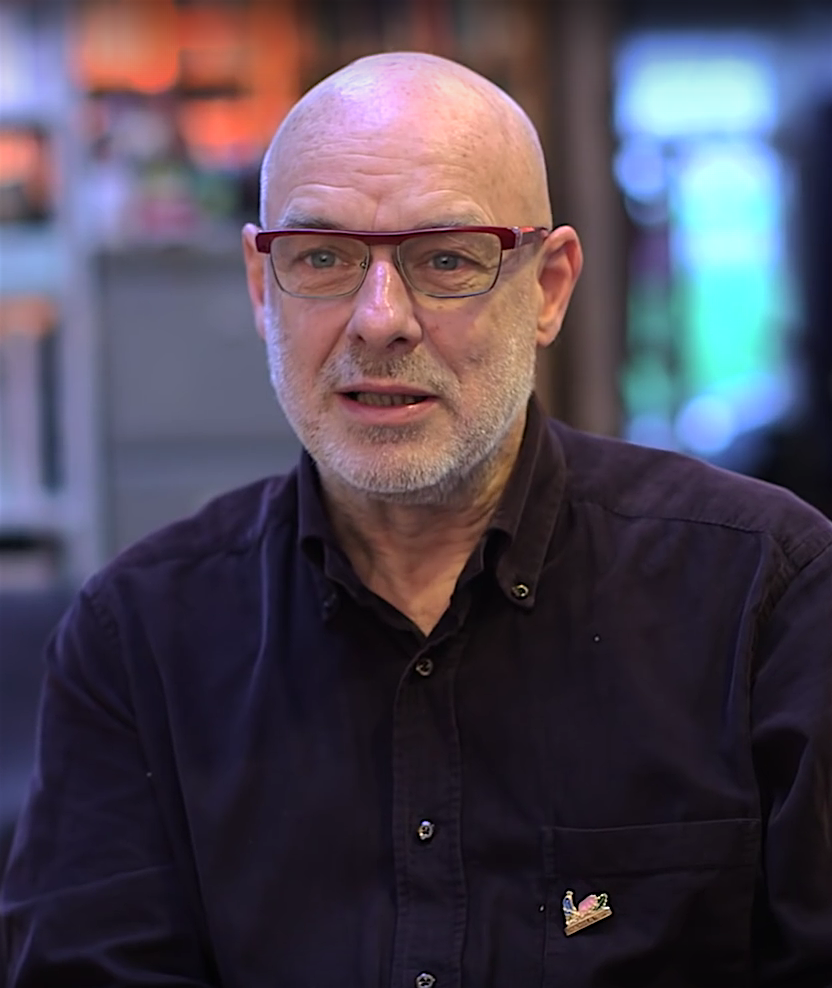
Eno's Music for Airports was built from sung notes and piano phrases on tape loops of unequal length, so the music never repeats the same way twice.

A cassette that sounded terrible, a TB-303 used as a funk bass and a Glasgow techno label with doubts about the tempo. How Da Funk was ignored in 1995 and then carried by DJs into a major-label deal.
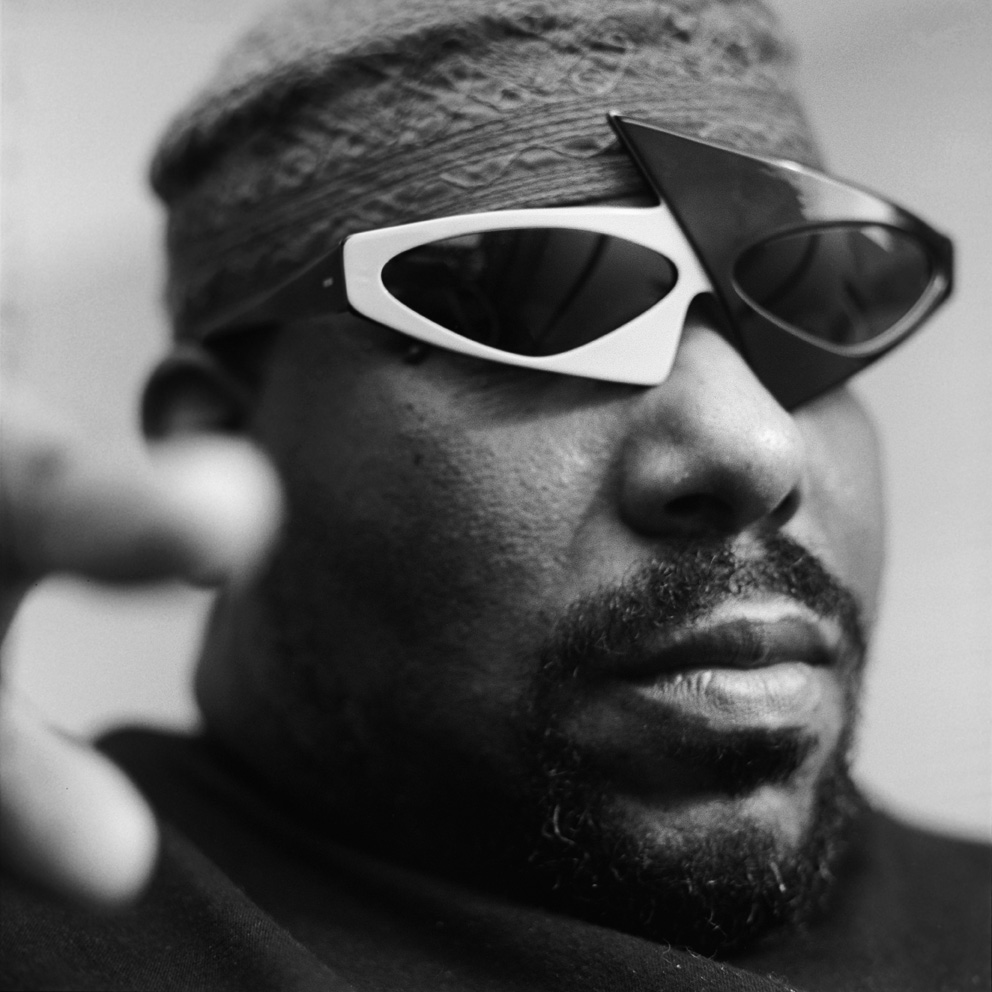
How Planet Rock rebuilt Kraftwerk's Numbers and Trans-Europe Express, hedged with a B-side, and settled for a dollar a record.
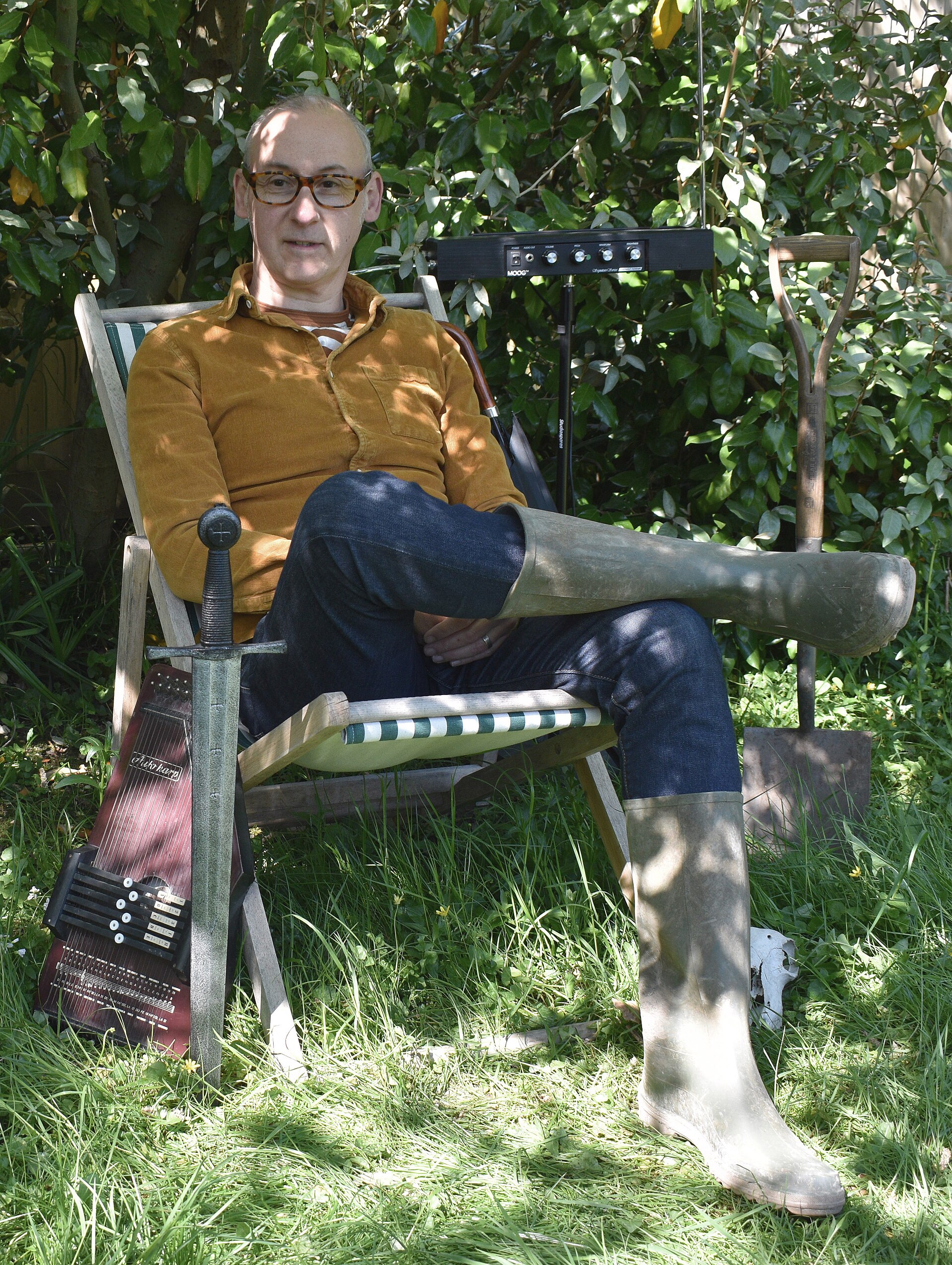
How Jim Jupp and Julian House built Ghost Box as a parallel Britain, from two 2004 releases to a Penguin-style grid and a hauntological catalogue.

Every genre has a signature sound that producers claim to have built themselves. The hoover is the one where almost nobody did. For thirty-five years the rave stab that opens a thousand records has travelled through hardcore, gabber, jungle, hard house, drum and bass and back into chart pop, and the overwhelming majority of those [&hell