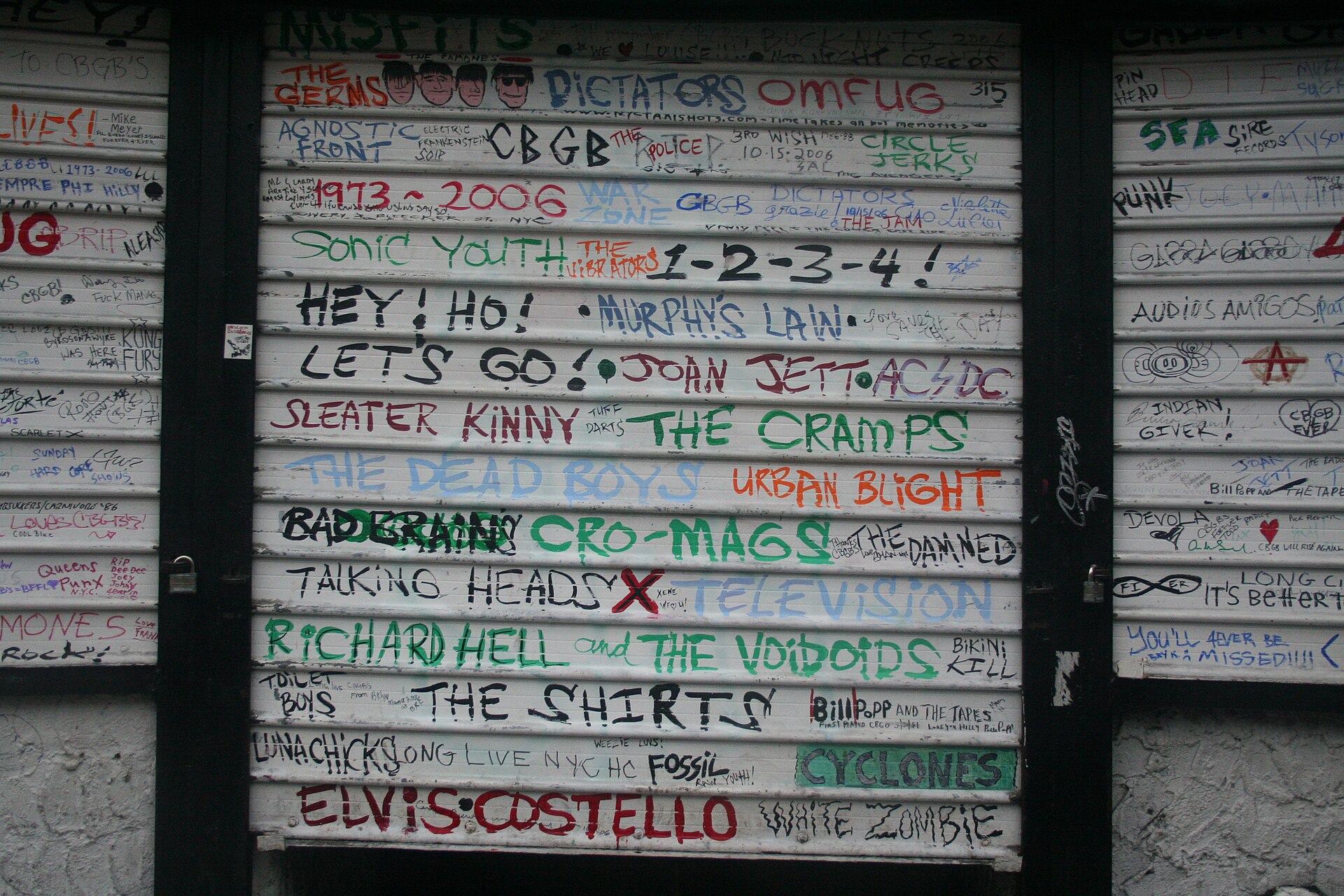
CBGB was meant for country, bluegrass and blues. Two plain house rules, carry your own gear and play your own songs, made it the room where New York punk took shape.
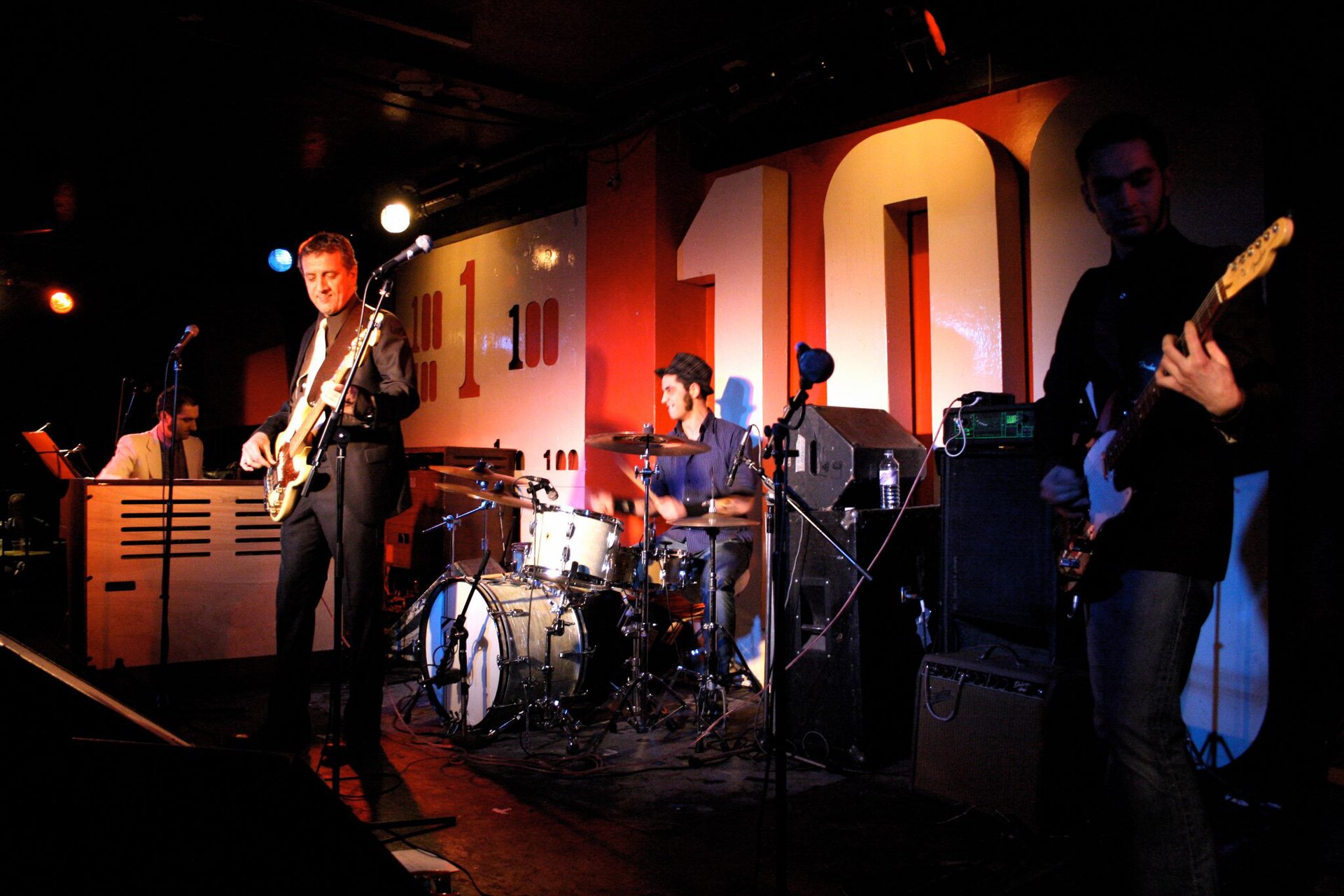
How a 1942 swing club on Oxford Street became the room where British punk found its audience in September 1976.
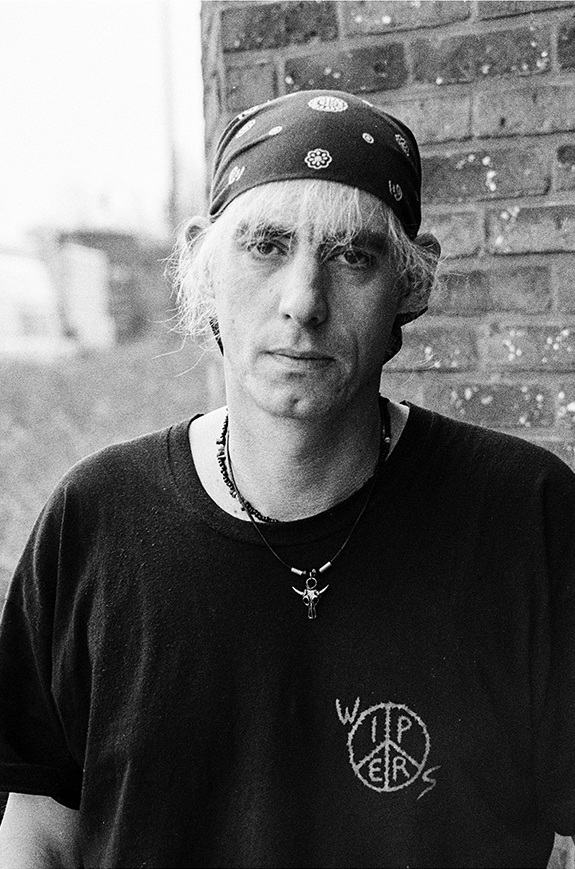
Greg Sage meant the Wipers to be records without a road. The mystique never paid the bills, but the records outlived the plan.
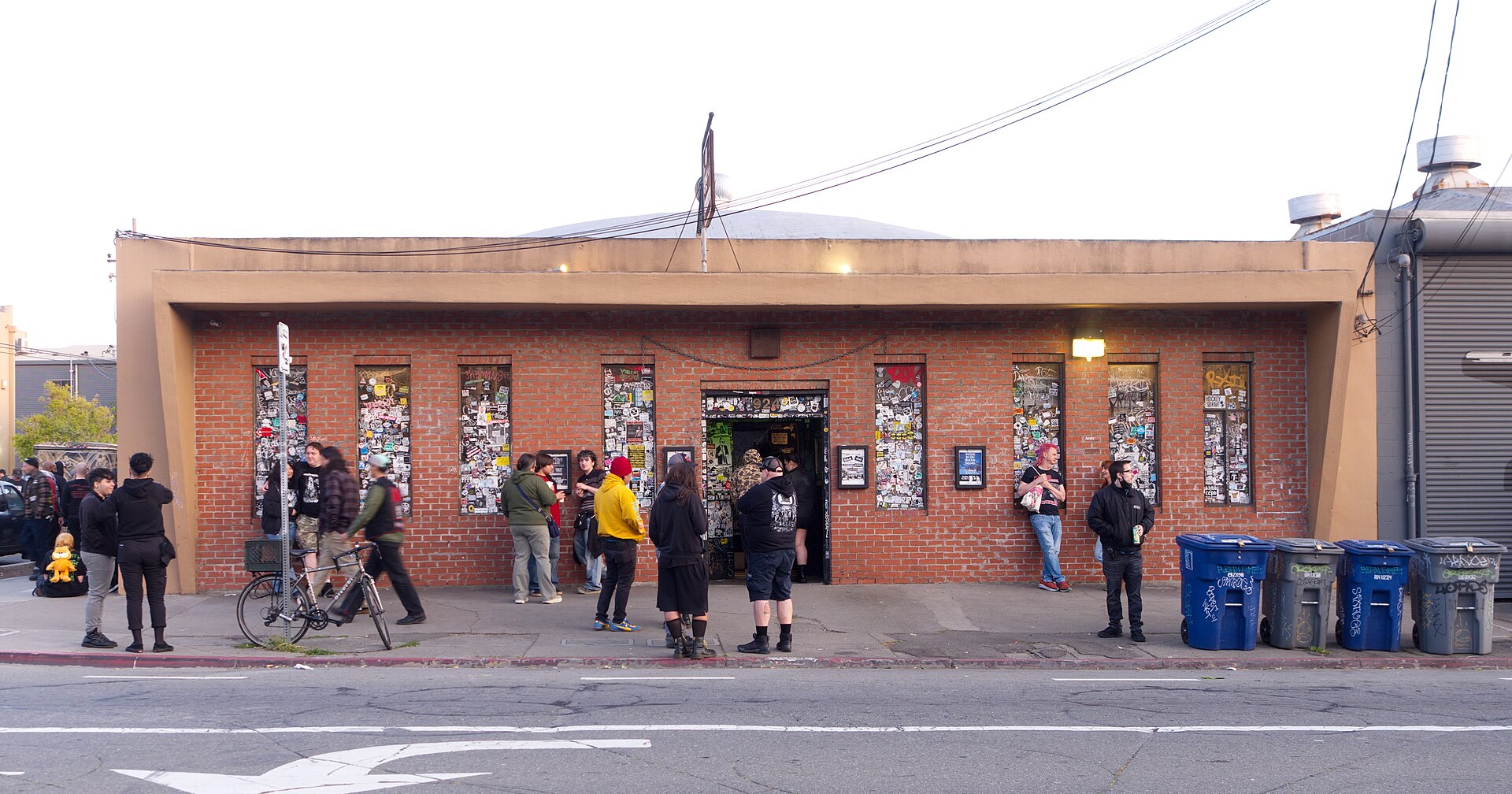
Gilman Street opened on 31 December 1986 with a ban on alcohol and a vote for every major decision. Four decades on, the governance is the thing that survived.
The Electric Eels played five shows in Cleveland, lost their last venue to a lawnmower, and became a legend through one Rough Trade single and decades of archival releases.
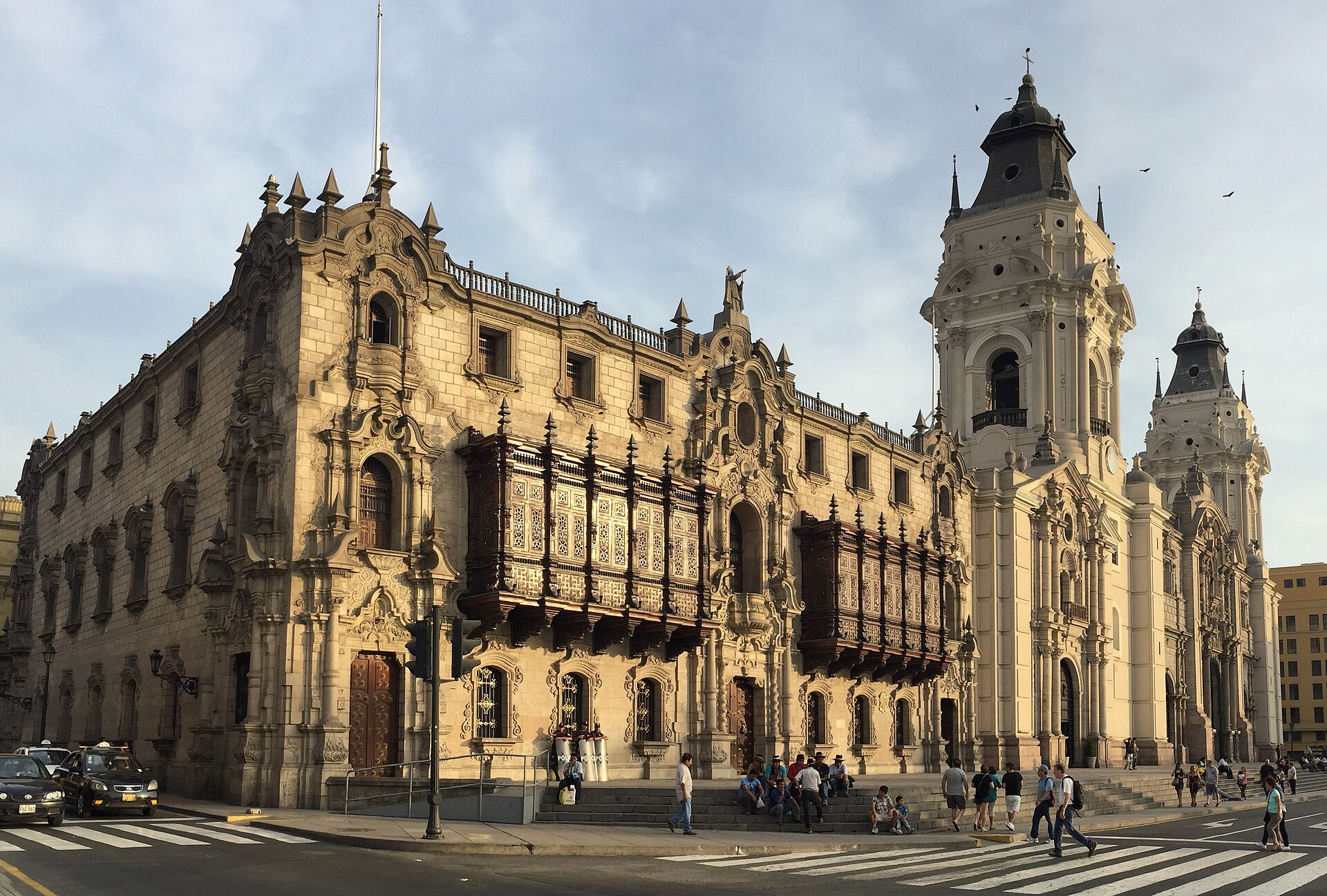
In 1965, the biggest song in Peru was about blowing up a train station. “Demolicion” was a national radio hit, its band had its own television show, and its four members were teenagers from a middle-class Lima neighborhood who had never heard the American garage bands they are now compared to. Outside Peru, almost nobody [&h
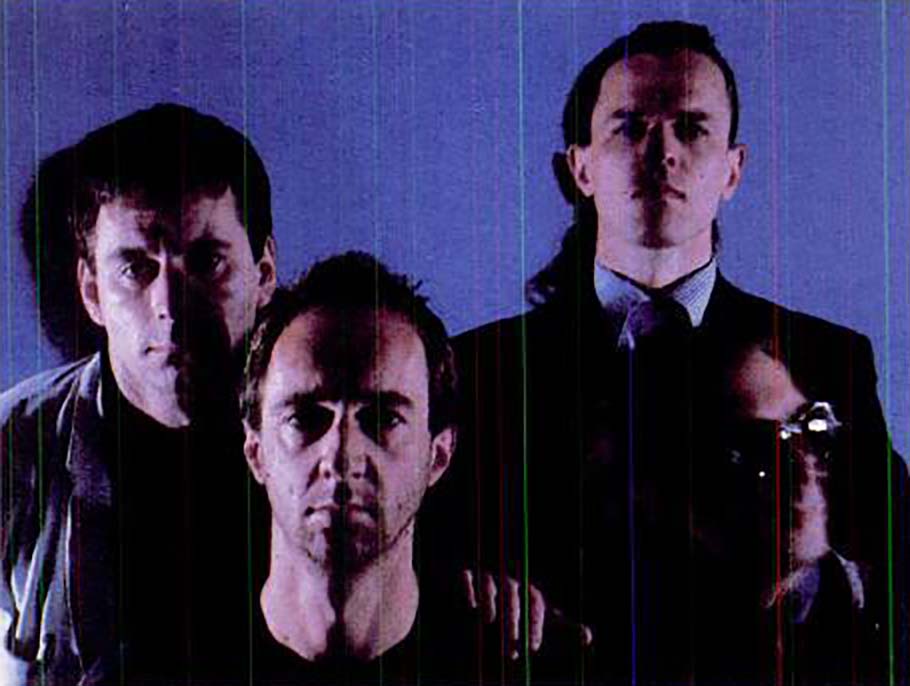
Released 21 September 1979, Wire's 154 was named after a gig tally, lost its producer mid-mix, hid a solo EP in the first 20,000 copies and ended the band at UK number 39.
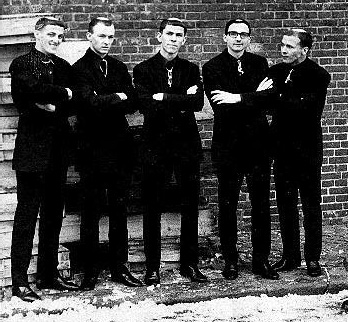
The story of the Monks is almost always told as a costume. Five American GIs stationed at Gelnhausen, two German design graduates, shaved tonsures, black habits, a manifesto. It is a great story and it is also the least interesting thing about the record they made. What produced Black Monk Time was not an art […]
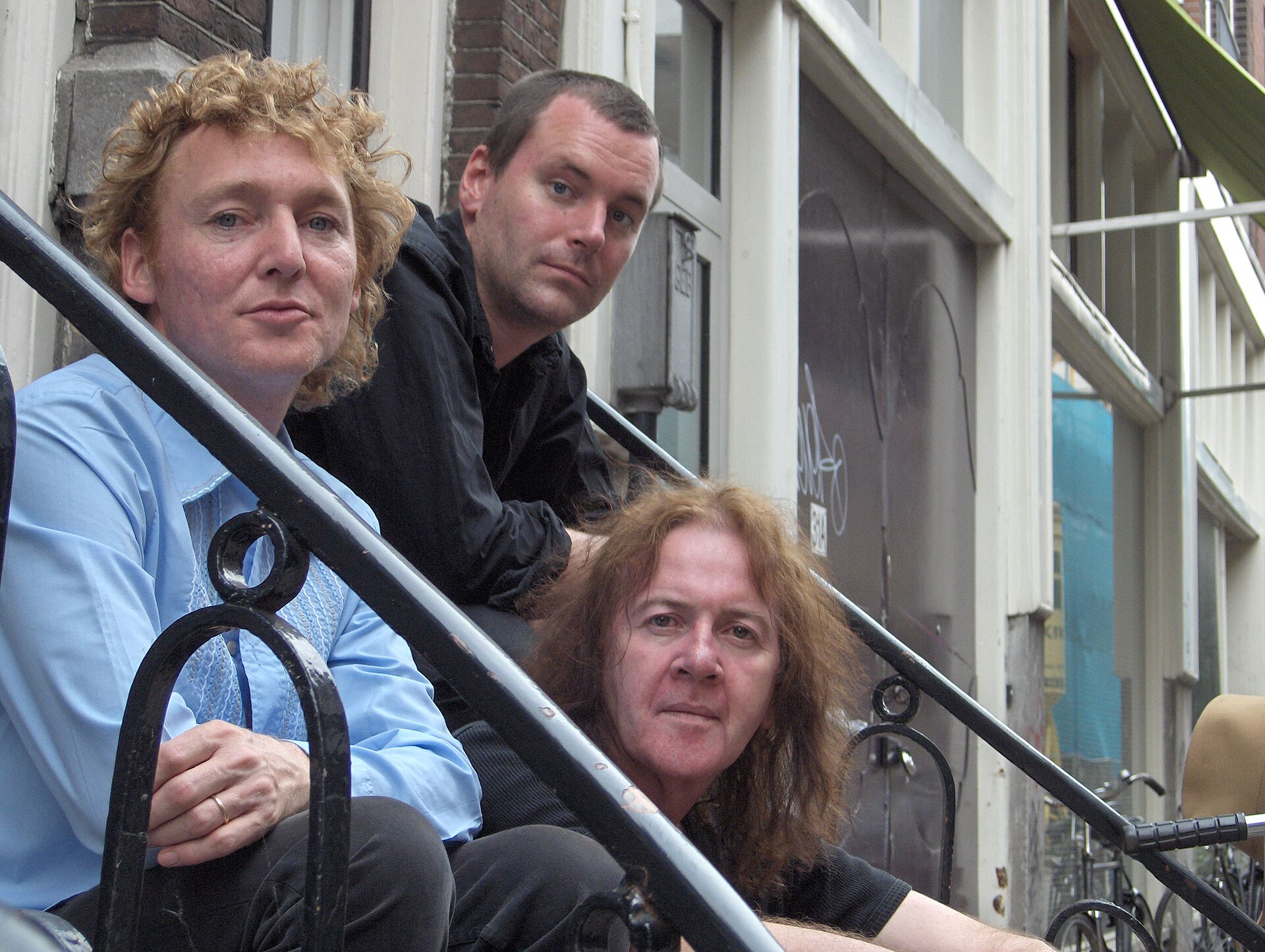
Fifty years after The Saints pressed 500 copies of (I'm) Stranded in Brisbane, the details show that almost everything later read as punk ideology was a practical workaround.

On Friday morning at Parc Jean-Drapeau, somebody will inflate a very large board and write the day’s set times on it by hand. Until that moment, nobody attending Vans Warped Tour knows who plays when. That is not a logistics failure. It is the oldest working idea in the festival and the reason the thing […]