The Few Who Move the Crowd: What Separates the Bands That Move Millions
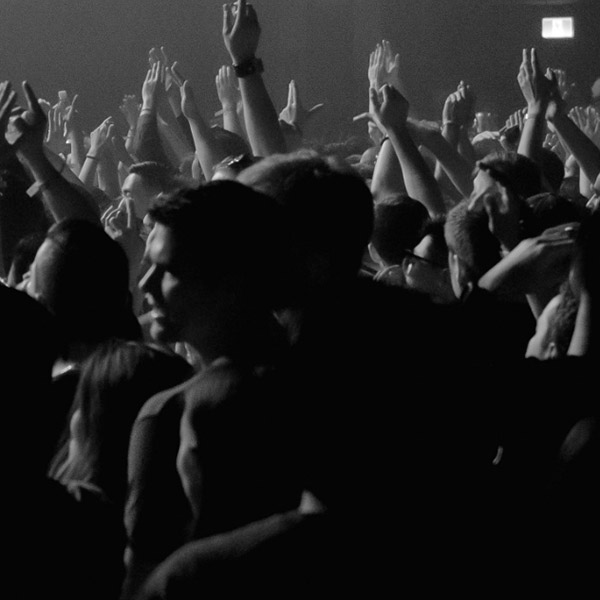
Almost every band can move a room. Far fewer can move a generation. Music is one of the only forces that can take eighty thousand strangers in a stadium and turn them, for three minutes, into a single body breathing the same chorus. We have all felt it: the hair on the arms, the voice that joins a crowd before the brain catches up. Yet for all the thousands of talented acts working today, only a handful ever reach that altitude. The gap is not really about talent, and it is rarely about luck alone. It comes down to a few things that are very hard to fake.
The anthem test
The first ingredient is brutally simple. The song has to be singable by people who do not consider themselves singers. The bands that move masses write melodies that a crowd can carry without a lyric sheet, hooks built for ten thousand untrained voices rather than for the studio. Think of the wordless refrains that fill football stadiums, or the way an Oasis chorus becomes a chant the moment the first chord lands. Queen understood this better than almost anyone, which is why their twenty minutes at Live Aid in 1985 are still studied as the gold standard of crowd control. An anthem is not the most complex thing a band can write. It is the most generous, because it leaves room for the audience to finish it.
A tribe you can join
People do not only love bands. They join them. The acts that move masses offer more than songs, they offer an identity, a uniform, a way of seeing the world that a listener can wear. From the leather and noise of metal to the wide-armed sincerity of stadium rock, the biggest bands give their fans a flag to raise. That sense of belonging is what turns a casual listener into someone who will drive six hours and stand in the rain. The music is the invitation, but the tribe is the reason people stay. When a band stops standing for something, the crowd quietly thins, no matter how good the new record is.
The right song meets the right moment
Timing is the part nobody can manufacture. Some songs arrive exactly when a generation needs them, and they stop being songs and start being mirrors. Nirvana did not just release a single in 1991, they handed a restless decade its own reflection. The acts that move masses tend to capture a feeling that was already in the air, then say it out loud before anyone else does. This is why the same song can land like a firework in one year and a damp match in another. Greatness in music is partly conversation, and the bands that break through are the ones answering a question the culture is already asking.
The live proof
Recordings make you known. The stage makes you unforgettable. The bands that truly move masses are almost always overwhelming in person, because the live show is where the contract is signed. A great frontman can read a crowd like weather, stretch a silence until the room aches, then release it. Bruce Springsteen built a career on three-hour shows that leave audiences wrung out and grateful. Foo Fighters turned arena rock into a communal sport. You cannot stream that feeling, you have to be inside it, and the bands that master it create memories their fans will defend for the rest of their lives. The recording is the promise. The concert is the proof.
Why the bar stays high
Put these together and you see why so few clear the bar. A band needs songs the whole room can sing, an identity worth belonging to, a sense of timing that no marketing plan can buy, and the live firepower to deliver on all of it night after night. Most acts have one or two of these. The rare ones have all four at the same time, and they hold them long enough for the world to notice. That is the real difference between a band people enjoy and a band people follow.
The good news for everyone listening is that the next one is always out there, sweating it out in small rooms, writing the chorus that has not found its moment yet. Movements rarely announce themselves in advance. They start quietly, in a club where the crowd sings louder than the PA, and one night the rest of us catch up. That is the magic of music. It belongs to the few who can summon it, but it is built, every single time, out of all of us.