

The Room That Refused to Grow: How a 1899 Debate Club Became Nirvana’s Sixty Person Stage
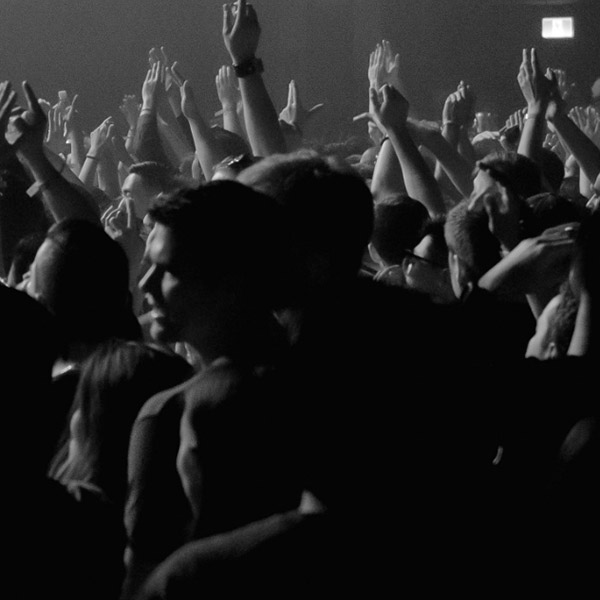
On November 2, 1989, a support band nobody outside Olympia, Washington had heard of opened for Tad at a club in Groningen, in the north of the Netherlands. About sixty people showed up. The band was Nirvana, two years before Nevermind, and the room they played had a legal capacity of five hundred. That gap, sixty bodies in a five hundred capacity hall, is the whole story of Vera, and of why small, stubbornly unambitious venues matter more to the history of guitar music than most of the arenas that eventually replaced them.
From Debating Society to Pop Underground
Vera did not start life as a rock club. It was founded in 1899 by university students under the name Veri et Recti Amici, true and sincere friends, as a debating and social society with a taste for formal dinners rather than distortion pedals. The building it still occupies has a medieval basement and the bones of a gentlemen’s association, not a venue. Through the 1950s the club drifted from debate toward culture, and by 1970, carried along by the same wave that was reshaping student life across Europe, it threw its doors open to anyone. Promoter Syp Wynia started booking jazz, blues and pub rock acts in the early seventies, and the transformation from private club to public stage was underway.
A Room That Never Scaled Up
What makes Vera’s story worth telling is what it refused to do next. During a 1997 renovation, with rock venues across Europe expanding to chase bigger guarantees, Vera deliberately kept its main room at roughly the same size, a five hundred capacity hall run largely by volunteers rather than a promoter chasing scale. Today more than two hundred unpaid staff cover the bar, lighting, sound, programming and even a Tuesday cinema slot. The venue calls itself, without much modesty, the club for the international pop underground, and for once the slogan undersells the case rather than inflating it.
The Names on the Guestbook
The guestbook backs it up. Joy Division played Vera on January 19, 1980, mid tour and still more than half a year from Ian Curtis’s death. U2 came through on October 16 that same year on the Boy tour, a young Dublin band nobody had reason to remember yet. Nirvana’s sixty person opening slot for Tad followed in 1989, filmed and later surfaced through the archive group GAVA alongside footage of Pearl Jam’s 1992 Vera show. None of these were victory laps. They were bands playing whatever room in Groningen would have them, on a night when almost nobody in the audience knew what they were watching.
Why the Underground Needs Rooms Like This
That is the actual function a venue like Vera performs, and it is easy to miss if you only look at the famous names it collected. A five hundred capacity room that never tried to become a one thousand or two thousand capacity room stays affordable to book, stays legible to a touring underground band without a following yet, and stays interesting to the sixty people who do show up, because the show was never designed around filling the house. Vera even ran its own self published magazine, Vera Paper, from 1977 to 2013, thirty six years of documenting exactly this kind of underground activity as it happened rather than after the fact.
It is tempting to read venue history as a chain of famous names, Joy Division here, Nirvana there, and stop. The more useful reading is structural. Touring circuits for guitar music, in Europe or anywhere else, survive on rooms that are willing to be half empty on a Thursday for a band that might matter in five years, and that are built, financially and organizationally, to absorb that risk without folding. Vera has been absorbing it since 1970, in a building that started out arguing about something else entirely.


Leave a Reply