Thursdays in the Dark: How FWD>> and Plastic People Tuned a Genre to the Sub-Bass
Most genres are born on records. Dubstep was born in a room. To understand where the music came from, you do not start with a producer or a label; you start with a small, low ceilinged basement on Curtain Road in Shoreditch, a soundsystem that most clubs would have considered excessive, and a Thursday night residency that ran for the better part of a decade. The room was called Plastic People. The night was called FWD>>, pronounced “forward,” and between them they did something venues rarely get credit for. They gave a sound a place to exist before anyone knew what to call it.
A club built to be listened to
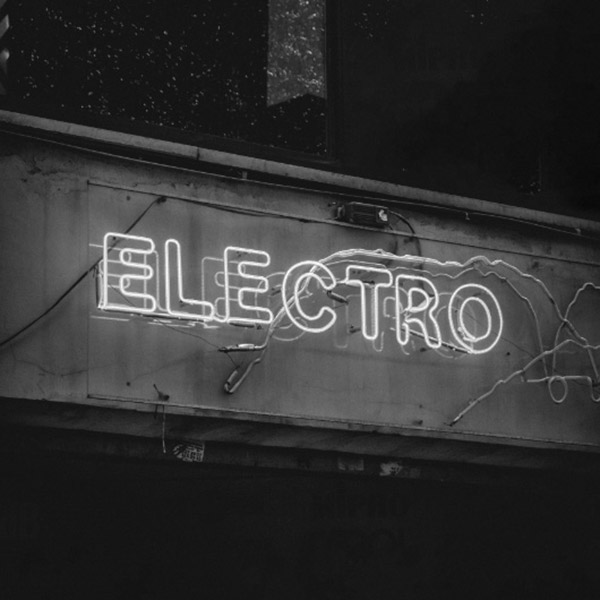
Plastic People began life in the early 1990s as a project by Nigerian entrepreneur Ade Fakile, first on Oxford Street and then, from 2000, in the Shoreditch basement that made its name. It was tiny and famously dark, with sightlines that discouraged posing and encouraged listening. What set it apart was the soundsystem, tuned with a seriousness usually reserved for Jamaican dancehalls rather than fashionable London clubs. Over the years the room hosted residencies from Theo Parrish, Four Tet, Floating Points and Carl Craig, but its most consequential guest was a weekly night that arrived looking for exactly this kind of space.
The night with no template
FWD>> started in 2001, first at the Velvet Rooms in Soho, then settling into Plastic People. It was run by Ammunition Promotions, the company set up in 2000 by Neil Jolliffe and Sarah “Soulja” Lockhart, the same pair behind the Tempa label. Their instinct was infrastructural rather than commercial. They wanted a room where the darker, dubbier offshoots of UK garage could be tested at volume, in front of people, without being watered down for a mainstream that had already abandoned the harder end of the sound.
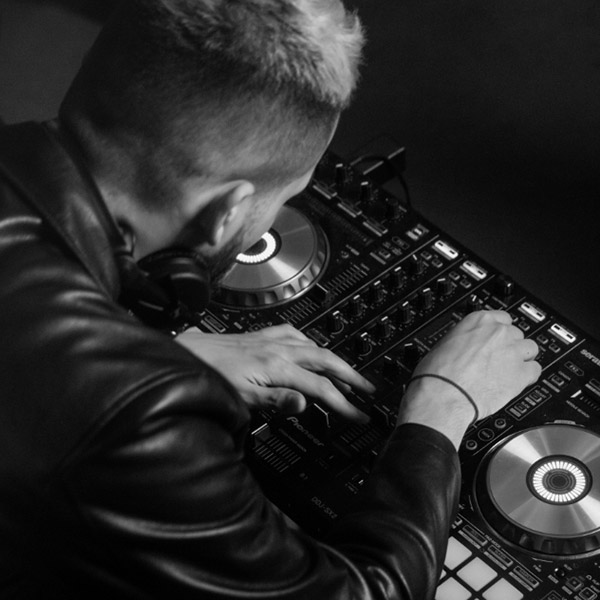
That is where the “dub” in dubstep actually comes from. Early on, these murky, half speed instrumentals appeared as B side versions of more conventional garage tracks, dub plates in the literal sense. DJs like Hatcha built sets around unreleased tunes by teenagers named Skream and Benga, and by the dub obsessed duo Digital Mystikz, Mala and Coki. The genre’s name was not decided by critics. It was coined around 2002 by the labels closest to the floor: Ammunition, Big Apple and Tempa.
What the room allowed
Here is the part that only a physical space can explain. On a soundsystem like Plastic People’s, a producer could get away with a track that was almost nothing, a single snare arriving every few bars, long stretches of silence, and beneath it all an ocean of sub bass you felt in your chest rather than heard. That restraint would have sounded broken on a normal club rig. In that room it sounded like the whole point. The music was written for the space, and the space rewarded the music for trusting it.
This is the argument for taking live culture seriously as a creative force rather than a delivery mechanism. FWD>> was not promoting a finished genre. It was a laboratory where the audience, the DJs and the acoustics negotiated the sound into being, Thursday after Thursday.
The pressures that eventually undid the club were mundane and familiar. In 2010 a police complaint forced changes to the soundsystem and the layout, chipping away at the exact qualities that made the place matter. Plastic People closed in January 2015 with an invitation only farewell billed as “The Last Dance.”
The building is gone, but the lesson it taught keeps recurring in every scene that grows out of one stubborn venue. Records travel the world in seconds now, yet the music that lasts still tends to be forged somewhere small and dark, in front of a few hundred people, on a rig loud enough to make silence feel like an event. Dubstep did not need a marketing plan. It needed a room that listened back.