

Recorded Live, in Running Order: How Suicide Cut Their 1977 Debut With a Seeburg Rhythm Machine and a Farfisa Organ
Suicide’s first album came out on 28 December 1977 on Red Star Records, and it did not chart in the United States or the United Kingdom. The duo, singer Alan Vega and keyboardist Martin Rev from New York, had no guitarist, no drummer and no interest in sounding like anyone else. Nearly half a century later the record is cited as a founding document of synth-punk, and the way it was made explains a lot about how it sounds.
Live, in Running Order
The sessions took place at Ultima Sound Studios in Blauvelt, New York. Vega and Rev had been playing these songs on stage for years, and according to Rev’s account in a Quietus piece on the sessions they recorded the set in its live running order with very little overdubbing. A full set took about as long to play as the album takes to hear, roughly half an hour, which is why the record is so short.
The Rig
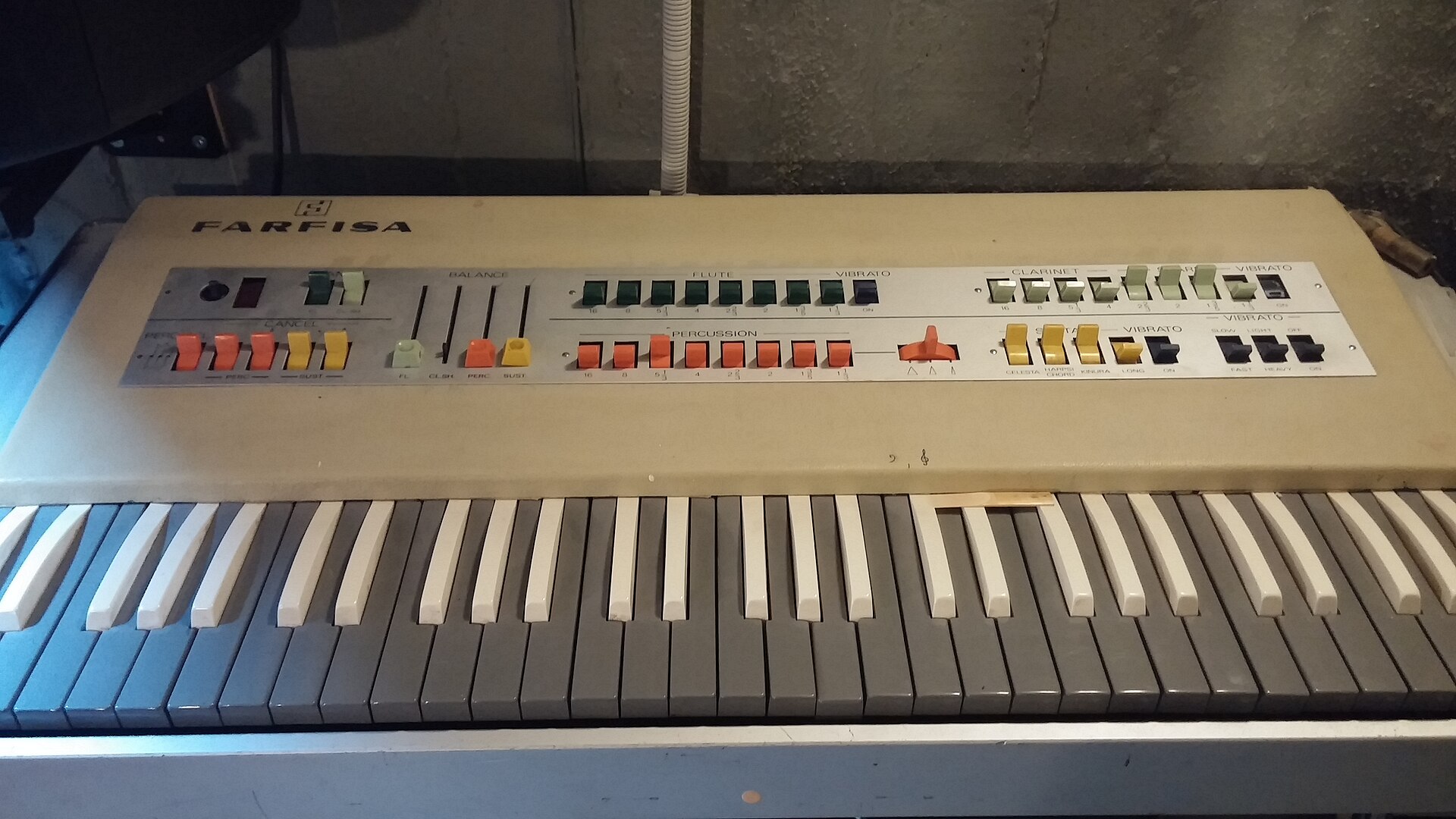
Rev’s instrument was a Farfisa organ pushed through Electro-Harmonix distortion pedals, paired with a Seeburg Rhythm Prince drum machine, a rhythm box from the jukebox maker. He also played a small transistor radio as an instrument, most notably on Frankie Teardrop. The sound went through a Fender amplifier that was miked up, and the result is a wall of scorched organ over a mechanical beat that never swings.
Craig Leon sat behind the desk, and Marty Thau, who ran Red Star, was also closely involved. The accounts differ on how the production and mixing credit divides between them, with some sources naming Leon alone and others crediting both.
Echo From Jamaica
Vega’s voice is where the studio did the most work. Leon used tape slapback and an Eventide digital delay on the vocals, an approach Wikipedia says he had picked up working on records in Jamaica, and the effects were printed live to separate channels rather than added afterward. The result is a rockabilly-flavoured vocal bouncing around an electronic room.
Frankie Teardrop, the ten-minute centrepiece, started from a news story about a factory worker who killed his family and himself. Vega improvised the lyrics, and the scream-streaked performance still divides listeners.
Two Different Receptions
The record landed very differently on either side of the Atlantic. In the United States it was reviewed harshly, with Robert Christgau giving it a C+ and Rolling Stone calling it puerile. In the United Kingdom, where Bronze Records released it in July 1978, NME, Time Out and Melody Maker were favourable.
Electronic Sound reports that the duo toured Europe in 1978 supporting first Elvis Costello and then The Clash, facing well-documented hostility from audiences who had come for guitars.
What It Left Behind
The influence ran in unexpected directions. Bruce Springsteen has said Frankie Teardrop heavily influenced State Trooper on Nebraska. The Fleshtones covered Rocket U.S.A., M.I.A. sampled Ghost Rider for Born Free, and Spacemen 3, who built their own drones from minimal chords, are among the bands counted in its lineage.
For a station that lives on guitars and electronics, Suicide is a useful reminder that the two worlds were never far apart. Rev’s distorted organ behaves like a fuzzed guitar, and the drum machine behaves like a stubborn rhythm section. The album shows how little equipment, and how little studio time, it takes to make a record that people still argue about.
Cover photo: GigNroll.com, CC BY 2.0, via Wikimedia Commons




Leave a Reply