

A Single a Month by Mail: How Sub Pop’s Singles Club Turned a Seattle Label Into a Brand
In November 1988 a small label in Seattle started posting a 7-inch single every month to people who had paid in advance. Subscribers did not choose the records. They trusted the label to choose for them. The first single in the Sub Pop Singles Club was Love Buzz, a cover song by a young trio from Aberdeen called Nirvana. The idea looks modest today, but it shows how a label with almost no money turned taste into its main product.
From Fanzine to Label
Sub Pop began as paper and tape. Around 1980, Bruce Pavitt started a fanzine called Subterranean Pop at Evergreen State College in Olympia, Washington, covering American independent labels at a time when most music press looked to the majors. The name soon shrank to Sub Pop, and some issues came out as cassette compilations of underground bands instead of print. After moving to Seattle in 1983, Pavitt wrote a column called Sub Pop U.S.A. for the local paper The Rocket and hosted an independent music show on the college station KCMU.
The first Sub Pop LP was the 1986 compilation Sub Pop 100, with Sonic Youth, Naked Raygun, Wipers and Scratch Acid. Releases by Green River and Soundgarden followed, the Soundgarden singles paid for by Jonathan Poneman, who became Pavitt’s partner. Pavitt ran the artist side and Poneman the business side. In early 1988 both quit their day jobs, and the company was incorporated that April with a small pool of borrowed money that, by Pavitt’s later account, disappeared within a month.
Selling the Label, Not Just the Band
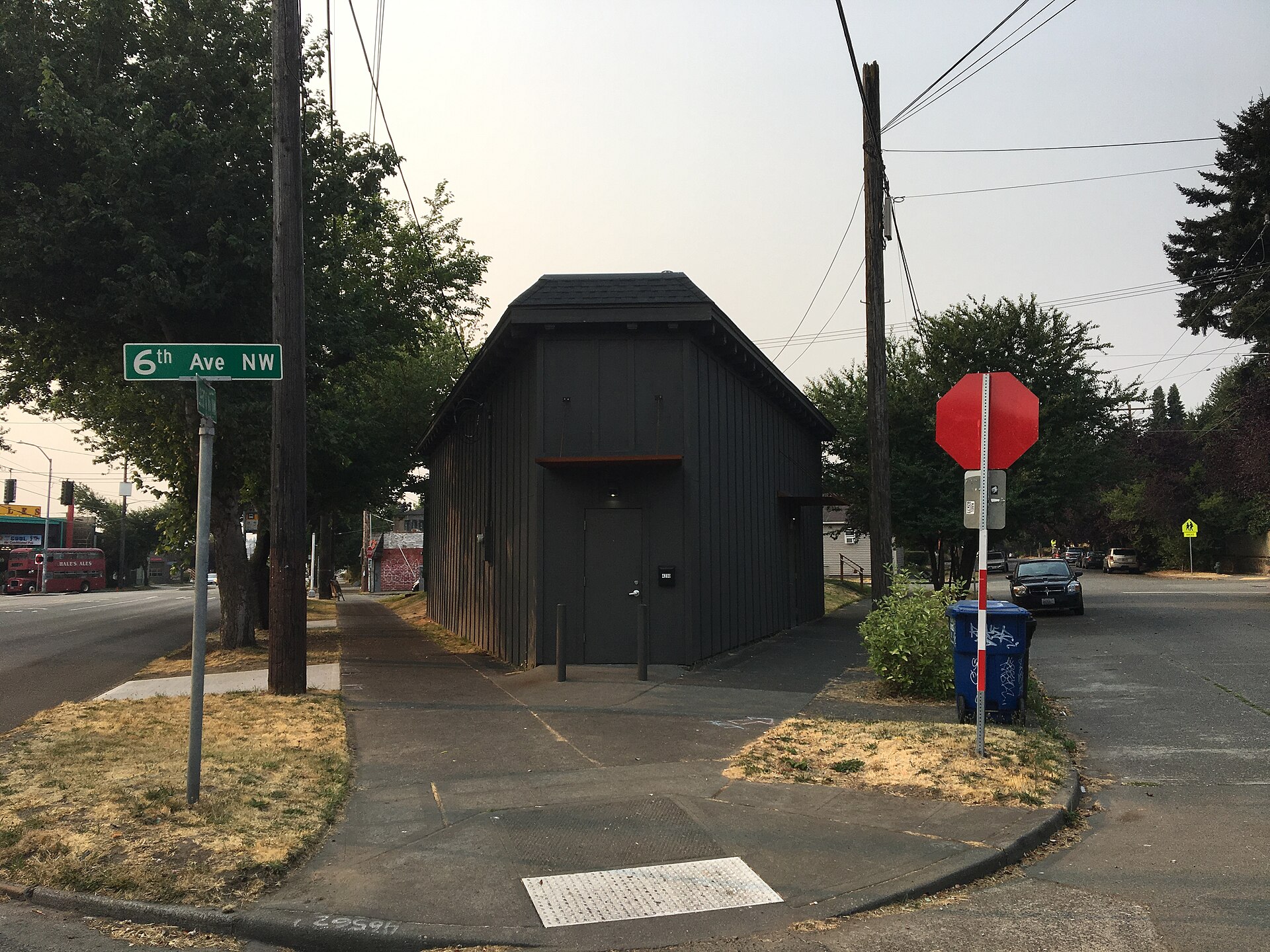
Pavitt and Poneman had studied earlier labels, from Motown to SST, and concluded that rock movements tend to grow out of one place with one recognisable sound. So they sold Seattle as much as any single band. Their adverts pushed the Sub Pop name, and producer Jack Endino gave the records a consistent sound, recording dozens of cheap, fast sessions for the label between 1987 and 1989, many of them at Reciprocal Recording, a small studio in the Ballard neighbourhood. Limited pressings were part of the plan too. When Mudhoney’s first single, Touch Me I’m Sick, came out in August 1988, the first run was kept deliberately small so that demand would outrun supply.
The Singles Club put that logic into a subscription. One record a month arrived by mail, chosen by the label, often in short runs that never reached shops. For a label with cash flow problems, subscribers paying ahead meant money before manufacturing. For listeners far from the Pacific Northwest, it meant a direct line to a scene they could otherwise only read about.
Love Buzz, Number SP23
The first club single, catalogue number SP23, was recorded at Reciprocal with Endino. Its A side was Nirvana’s version of Love Buzz, a song written by Robbie van Leeuwen and first released by the Dutch band Shocking Blue in 1969. Kurt Cobain added a short sound collage from his own home tapes to the start, an intro that was left off the version later released on the album Bleach. The B side was an original, Big Cheese. Around 1,000 sleeves were numbered by hand in red marker, and a message scratched into the run-out groove asked: “Why Don’t You Trade Those Guitars For Shovels?”
The single sold out, and it became one of the most sought-after records of the era once Nirvana grew far beyond the label. In early 1989 Melody Maker writer Everett True reviewed it, and soon afterwards Sub Pop flew him to Seattle to report on the scene. The British press response helped give the Seattle sound an international audience before most American outlets paid attention.
What the Club Left Behind
The original Singles Club ran until 1993. It returned as a second series from 1998 to 2002 and again for a year in 2008, when the label marked its twentieth anniversary. By then subscription models were spreading across independent music, from vinyl clubs to Bandcamp memberships.
What the Singles Club proved in 1988 is still useful for small labels and stations today: when listeners trust a curator, the curation itself becomes the thing worth paying for. Sub Pop did not wait for one band to make its name. It made the name first and let the records arrive, one a month, in the post.
Cover photo: Wikiwriter200, CC BY-SA 4.0, via Wikimedia Commons





Leave a Reply