

Ten Thousand Square Feet Under Hollywood: How Brendan Mullen’s Masque Gave L.A. Punk a Room of Its Own
New York had CBGB and London had the Roxy and the 100 Club. In the summer of 1977, Los Angeles punk had a handful of bands, a small crowd of fans and almost nowhere to play. The rooms that mattered on the Sunset Strip wanted cover bands and hits. What changed that was not a club owner with a plan. It was a Scottish-born music fan looking for somewhere to rehearse.
A Basement for Rent
Brendan Mullen was born in Paisley, Scotland, in 1949 and had moved to the United States in 1973. In 1977 he went looking for a practice space and found a basement in an alley off Cherokee Avenue, a few steps from Hollywood Boulevard, under a building that also housed one of the city’s Pussycat adult theaters. The owner wanted $850 a month. For that, Mullen got roughly 10,000 square feet of concrete rooms.
Space like that does not stay empty in a young scene. Mullen began renting rooms to bands for rehearsals, and in August 1977 the weekend parties started, with early bills featuring local groups such as the Skulls and the Controllers. The Motels and the Go-Go’s were among the acts that practiced there. The parties quickly became shows, and the basement got a name: The Masque.
The Room Where the Scene Met Itself
For a few months The Masque was where Los Angeles punk could see what it had become. The Weirdos, the Screamers, the Germs, the Bags, the Alley Cats, X, the Dickies, the Go-Go’s and Black Randy and the Metrosquad all played there. Mullen later counted X, the Go-Go’s and the Dickies among the bands that made their debuts in the basement, and he remembered a Screamers and Weirdos double bill as the night that defined the year.
There was no stage worth the name, no polish and very little ventilation. Crowds regularly filled the rooms and spilled into the alley. That was the point. Unlike the Strip, nobody at The Masque was asking bands to sound like the radio, and the bands responded by sounding like nothing else in the city.
Five Months, Then the Fire Marshal
The problem was that a basement under a theater was never a licensed nightclub. In January 1978, about five months after the first party, the Los Angeles fire marshal ordered The Masque to stop holding shows. The city refused the permits Mullen needed to run it legally, and the dispute ended up in court. Bands played benefit nights to help cover his legal costs.
The building did not fall silent. Rehearsals and private parties carried on, and Mullen opened a second room, known as the Other Masque, which ran in Hollywood from late 1978 into 1979. By then punk had spread to halls and clubs across Southern California, and the scene no longer depended on one cellar.
The Booker Who Kept Going
Mullen stayed in the business of putting bands on stages. He spent much of the 1980s booking Club Lingerie on Sunset Boulevard, where in 1983 he gave an early opening slot to a young band that would become the Red Hot Chili Peppers. He also became the scene’s historian, co-writing the oral history We Got the Neutron Bomb: The Untold Story of L.A. Punk with Marc Spitz in 2001 and the photo book Live at the Masque: Nightmare in Punk Alley in 2007.
He died in October 2009, a few days after his 60th birthday. Flea wrote a tribute in the Los Angeles Times, and the Chili Peppers later named a song after him, Brendan’s Death Song, on their 2011 album I’m With You.
The Walls Are Still There
The Masque has one more thing that most legendary venues lack: physical remains. When the building was renovated in 2001, the basement walls covered in band names and graffiti were kept. The space now holds the archive of the production company World of Wonder, behind a gated alley, and it is not open to the public. The lesson it left is simple and still useful for any city: a scene needs a room before it needs a reputation, and sometimes that room is just a cheap basement that someone was willing to say yes to.
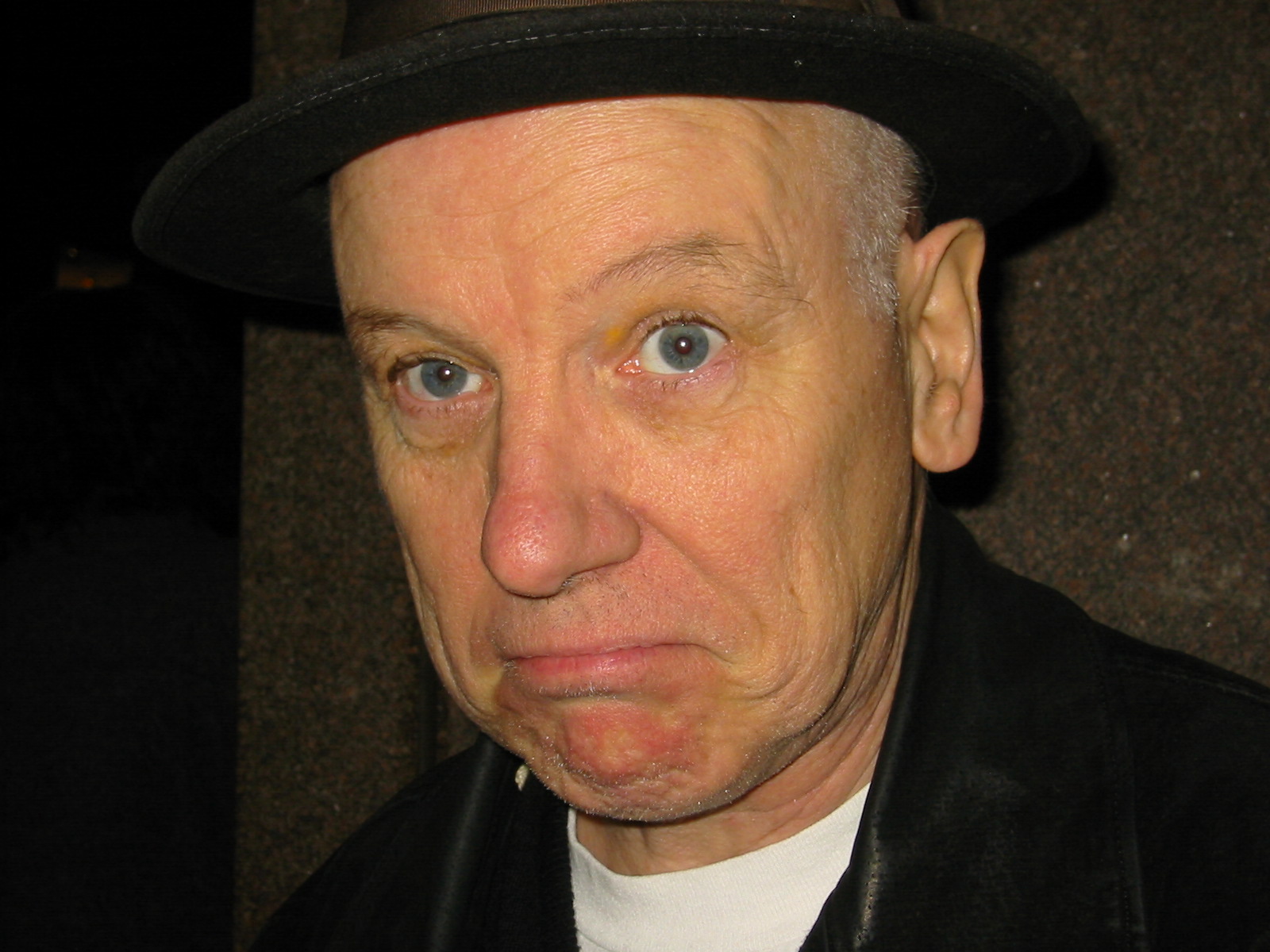
Cover photo: Public domain, via Wikimedia Commons




Leave a Reply