

The Sound of Young Scotland: How Postcard Records Ran Indie Pop From a Glasgow Flat
Some record labels last decades and leave no mark. Postcard Records lasted about two years, released a small pile of seven-inch singles, and still gets named whenever someone explains where jangly, literate, slightly awkward guitar pop came from. It was run out of a flat in Glasgow by a young man with big opinions, and it called itself, without a trace of modesty, The Sound of Young Scotland.
A Label Built for One Band
Alan Horne started Postcard in 1979 for a very specific reason: he wanted the rest of Britain to hear Orange Juice, a Glasgow band fronted by Edwyn Collins. The slogan was a cheeky nod to Motown’s own motto, and the sleeves carried a cartoon cat beating a drum. Punk had told everyone they could make records themselves. Horne took the idea literally and made the label feel like a club with a strict door policy.
The first release was Orange Juice’s Falling and Laughing, recorded in December 1979 and issued in February 1980. Horne, Collins and bassist David McClymont paid for it between them. Fewer than a thousand copies were pressed, and most came with a free flexidisc carrying an early version of Felicity, a song by guitarist James Kirk. It was never reissued, which is why original copies now change hands for serious money.
Choppy Guitars and Wrong Clothes
What did the Sound of Young Scotland actually sound like? Bright, scratchy guitars, voices that did not pretend to be tough, and lyrics full of jokes and self doubt. At a time when post-punk often meant long coats and gloom, Orange Juice sounded cheerful, a little clumsy and openly romantic, which in 1980 was almost a provocation. Singles like Blue Boy, Simply Thrilled Honey and Poor Old Soul followed between 1980 and 1981.
Horne quickly widened the roster. Josef K, from Edinburgh, brought a tighter, more nervous edge, and released Radio Drill Time on the label. Aztec Camera, led by a teenage Roddy Frame, put out Just Like Gold in 1981. Even a band from the other side of the world joined in: The Go-Betweens, from Brisbane, made a one-off Postcard single, I Need Two Heads, their first UK release.
Two Years and Out
The flat could not hold it all for long. In 1981 Postcard planned a proper Orange Juice album, and demos were recorded under the working title Ostrich Churchyard. Instead the band ended up at Polydor, which released their debut album, You Can’t Hide Your Love Forever, in February 1982. Accounts differ on exactly how the tapes moved, but the result was the same: the label lost its flagship act. Josef K split the same year, Aztec Camera moved on to bigger deals, and Postcard wound down before the end of 1981.
Orange Juice did get their hit. Rip It Up reached number eight on the UK chart in February 1983, a rare moment when the Postcard spirit landed on Top of the Pops. Horne, for his part, never quite let go: he revived the label in 1992 and released records by Paul Quinn and others until 1997.
Why It Still Matters
Postcard’s catalogue is tiny, but its influence is not. The label is regularly named as a key source for the C86 indie-pop wave and for Sarah Records, the Bristol label that turned shy guitar pop into a philosophy. Later Glasgow bands carried the torch openly: Belle and Sebastian named Orange Juice as an influence, and Franz Ferdinand looked to Orange Juice and Josef K rather than to the classic rock canon. The writer Simon Goddard told the whole story in his 2014 book Simply Thrilled.
The real lesson is about scale. Postcard proved that a label could be a point of view rather than a business plan: a slogan, a cat logo, a few hundred records and a handful of bands that sounded like nobody else. Every small label that starts with one band and one stubborn idea is, knowingly or not, running a little version of that Glasgow flat.
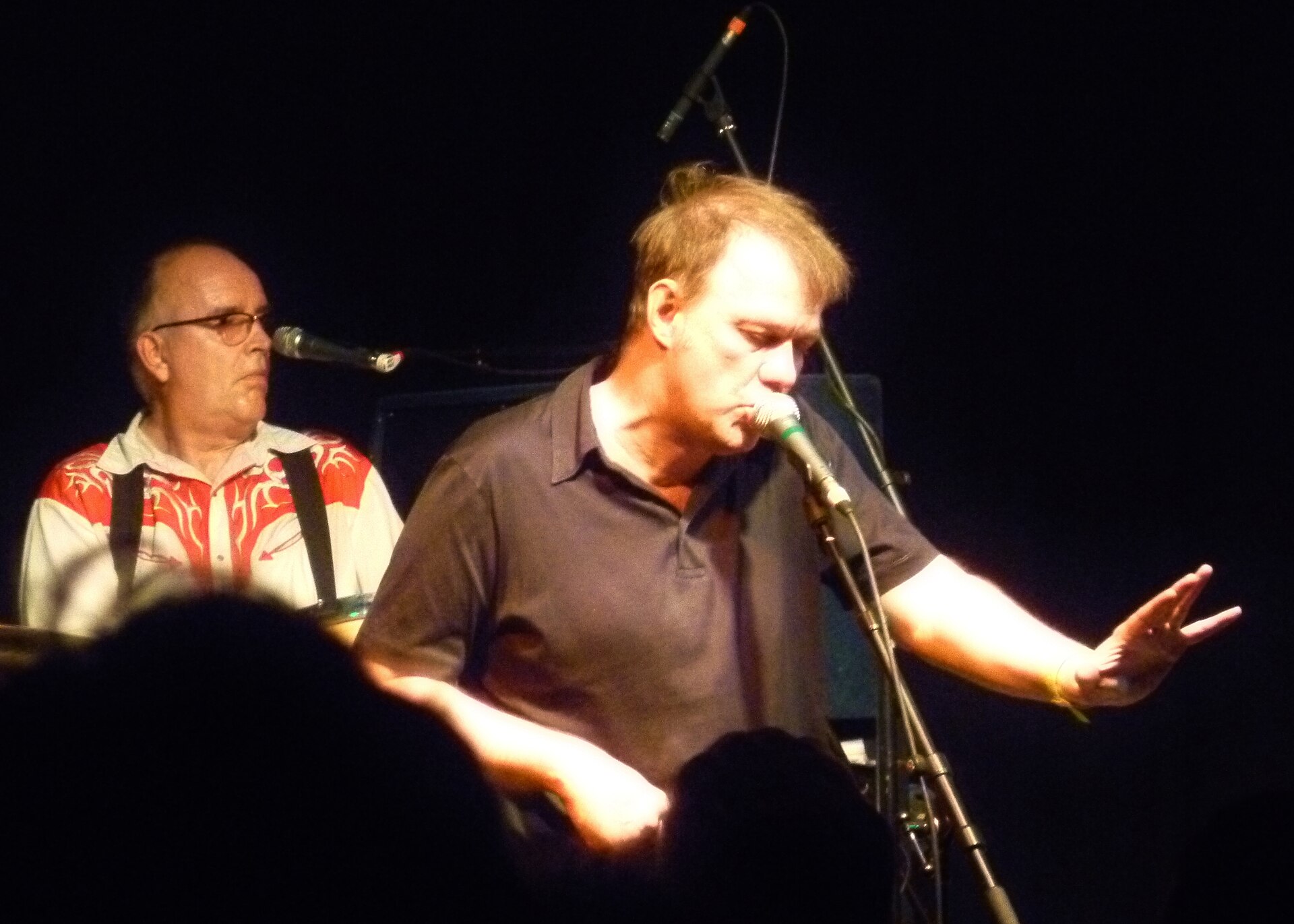
Cover photo: johnkell, CC BY 2.0, via Wikimedia Commons





Leave a Reply