

Ten Bands, Five Nights and a Producer in the Crowd: How Artists Space Turned No Wave Into a Record
Most music scenes grow slowly, out of a club, a shop or a label. New York’s No Wave had all of those, but the moment it became visible to the outside world happened somewhere less likely: an art gallery. In 1978 Artists Space, a nonprofit exhibition space in downtown Manhattan, hosted a five-night run of concerts by ten local bands. It was billed with almost no ceremony, listed simply as “BANDS”. By the time it ended, a famous producer had decided the music needed to be put on record.
A Gallery Instead of a Club
The festival was organized by two artists, Michael Zwack and Robert Longo. The lineup read like a census of the downtown underground: Rhys Chatham’s The Gynecologists and his Tone Death, which performed his Guitar Trio; Glenn Branca’s Theoretical Girls and his Daily Life; Communists; Terminal; DNA; the Contortions; Mars; and Teenage Jesus and the Jerks. The last two nights belonged to the four bands that would define the sound for most listeners: DNA and the Contortions on the Friday, Mars and Teenage Jesus and the Jerks on the Saturday.
What linked these groups was not a style so much as a refusal. Punk had already turned into new wave, a more polished and saleable version of itself. The No Wave bands went the other way. Teenage Jesus and the Jerks were Lydia Lunch on guitar and vocals with Gordon Stevenson on bass and Bradley Field on drums. DNA paired Arto Lindsay’s guitar with Robin Crutchfield’s organ and the drumming of Ikue Mori, who had arrived from Japan with little experience behind a kit. James Chance fronted the Contortions on saxophone and vocals, a band that could turn a James Brown song into something abrasive and new.
Eno in the Audience
Brian Eno was in New York to produce More Songs About Buildings and Food for Talking Heads, and he was in the audience at Artists Space. Encouraged by Diego Cortez, he became convinced that the scene should be documented, and proposed a compilation album with himself as producer.
The result was No New York, released by Antilles, a division of Island Records, in 1978. Eno narrowed the field to four bands, each given four songs: the Contortions, Teenage Jesus and the Jerks, Mars and DNA. The recording was kept close to the stage. Chance later described the Contortions tracks as done live in the studio, “no overdubs, just like a document.” Even the packaging resisted convenience: the lyric sheet was printed inside the sleeve, so reading it meant tearing the cover open.
A Name Nobody Owns
Where the term “no wave” came from is still disputed. One account credits Lydia Lunch in an interview with New York Rocker; another credits the musician Chris Nelson. Thurston Moore claimed he saw the words spray-painted on a wall before he ever read them in print. Whatever its origin, the name was a rejection of commercial new wave, and some accounts say the album title helped it stick.
Critics were divided. Creem described the record as aggressively ugly, and Sounds dismissed the name as an unoriginal tag. Neither verdict slowed its reputation.
After the Festival
The original bands did not last long, but the scene’s methods did. Glenn Branca’s guitar ensembles became a training ground: Thurston Moore and Lee Ranaldo played in them before Sonic Youth, a band that came out of the same downtown world, as did Swans. The idea that a rock band could be an art project, booked in a gallery and judged by how far it pushed, travelled from Artists Space into noise rock, post-punk and beyond.
No New York remains the scene’s best-known record precisely because it was never meant to be a hit. It was a snapshot of a few nights when ten bands, a gallery and one curious producer happened to be in the same room.
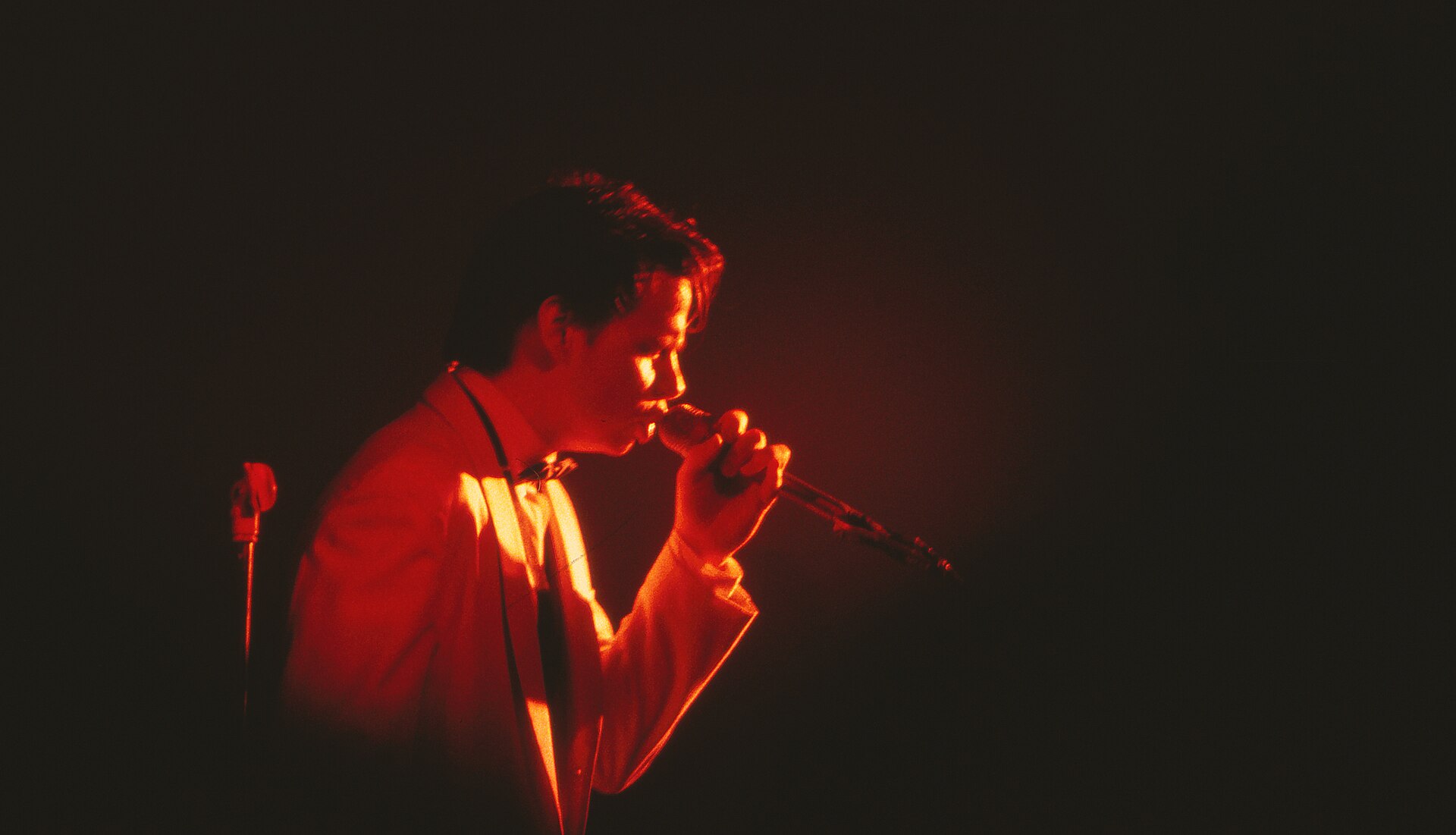
Cover photo: Braunov, CC BY-SA 3.0, via Wikimedia Commons
Leave a Reply