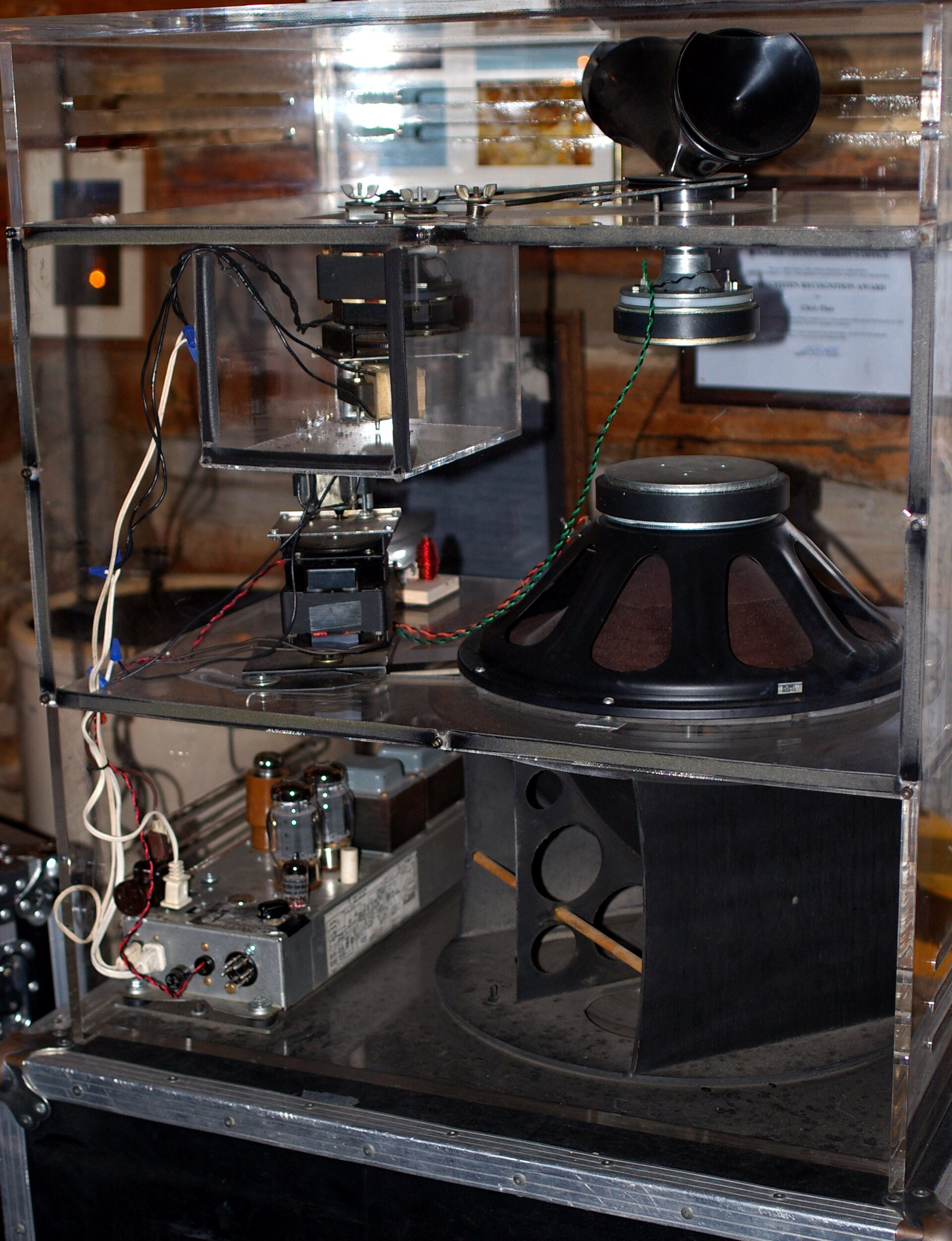
In the 1930s, engineers at Bell Labs had a problem that had nothing to do with music. Long-distance telephone calls arrived thin and unnatural, stripped of the small delays and reflections a voice picks up in a real room. Their fix was mechanical: a spring stretched inside a housing, with a transducer at each end. […]
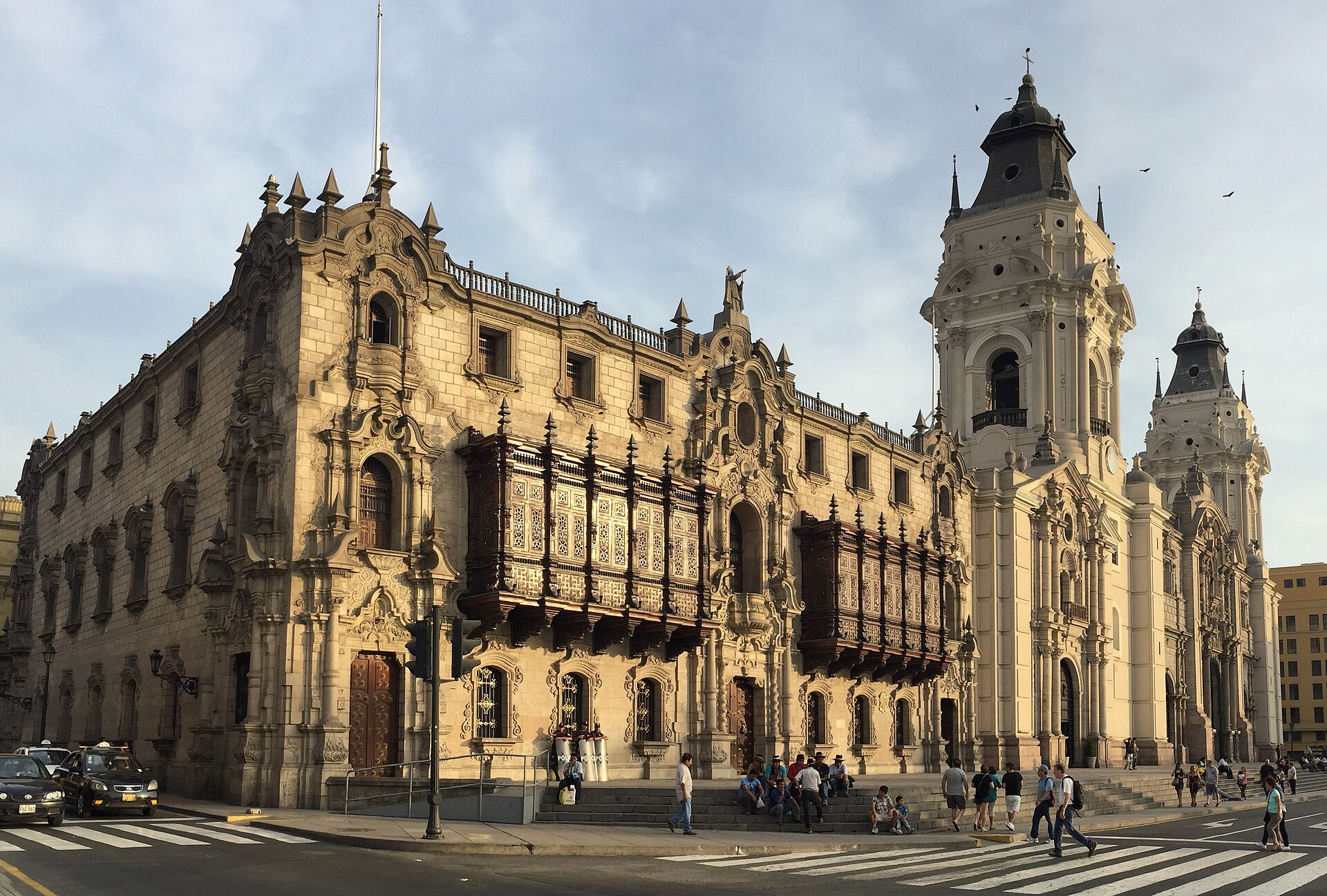
In 1965, the biggest song in Peru was about blowing up a train station. “Demolicion” was a national radio hit, its band had its own television show, and its four members were teenagers from a middle-class Lima neighborhood who had never heard the American garage bands they are now compared to. Outside Peru, almost nobody [&h

Every house and EDM track built in the last twenty years carries a rhythm inside its rhythm: a bassline or pad that visibly ducks and swells under the kick drum, breathing in time with the beat. Producers call it the pump. It is now a single knob in every DAW’s stock compressor. In 1996, it […]
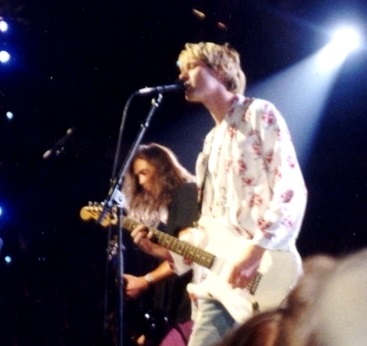
On November 2, 1989, a support band nobody outside Olympia, Washington had heard of opened for Tad at a club in Groningen, in the north of the Netherlands. About sixty people showed up. The band was Nirvana, two years before Nevermind, and the room they played had a legal capacity of five hundred. That gap, […]

Cosmic disco was never really a genre. It was a club on Lake Garda, a DJ who played records at the wrong speed, and a cassette network that carried the room far beyond its 700 capacity.
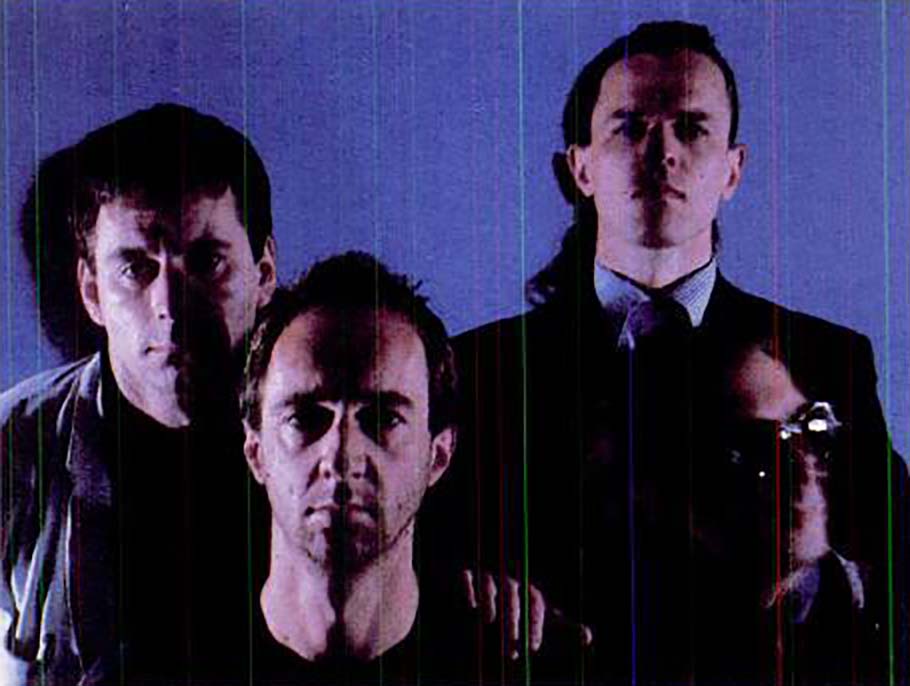
Released 21 September 1979, Wire's 154 was named after a gig tally, lost its producer mid-mix, hid a solo EP in the first 20,000 copies and ended the band at UK number 39.
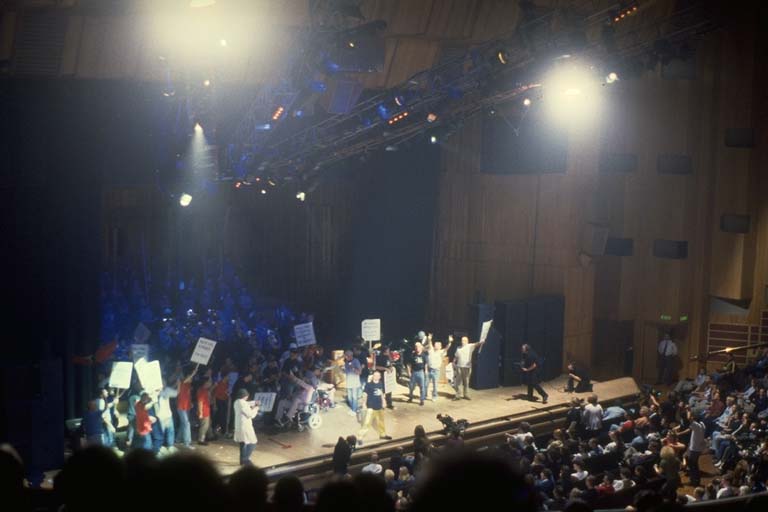
Chill Out was released on 5 February 1990 on the band’s own KLF Communications imprint, and it remains one of the strangest origin stories in electronic music. The record that gave a whole genre its name was not built in a studio full of gear. It was, according to its sleeve, recorded “live on location” […]
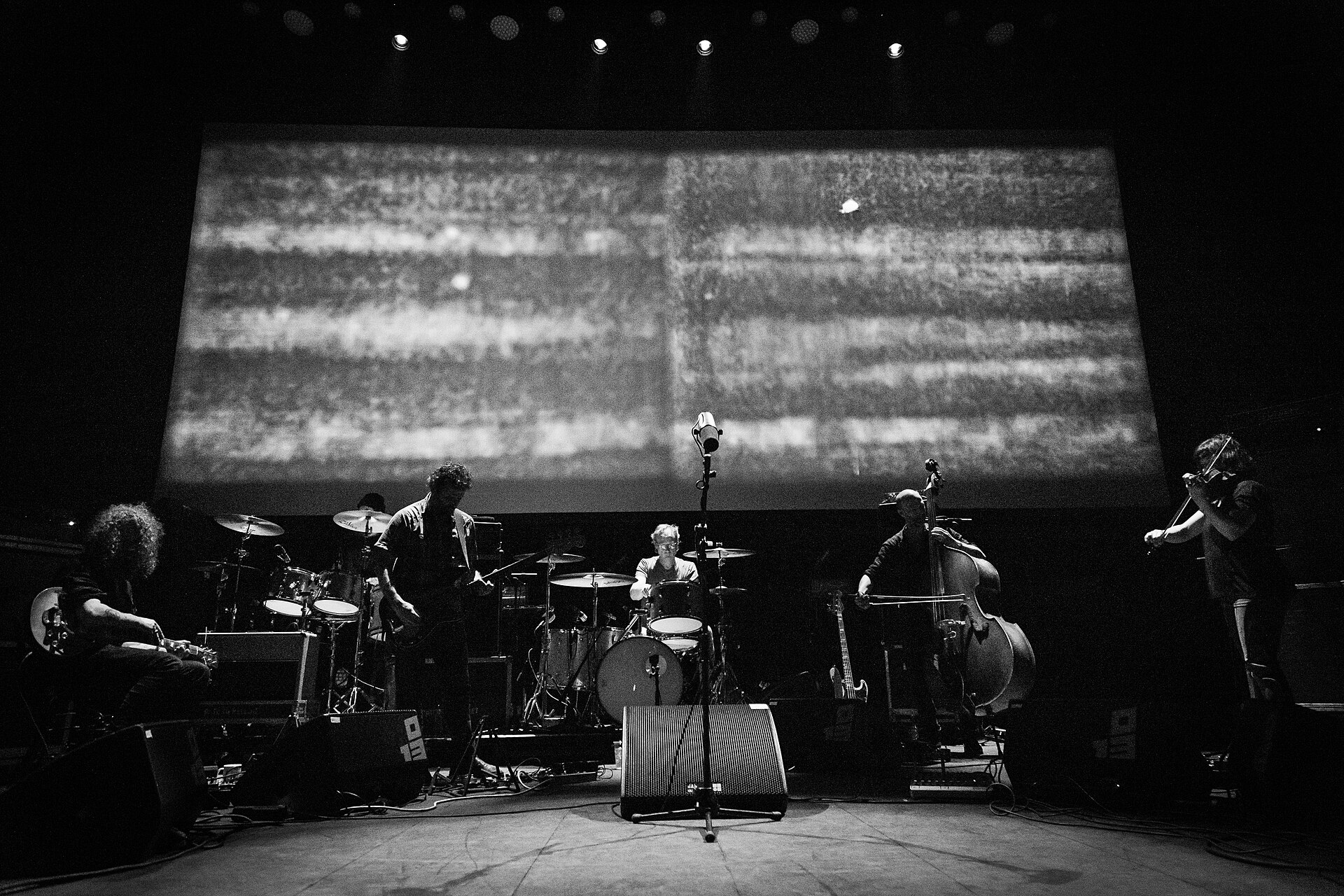
Montreal post-rock is usually explained as a sound. It is better explained as real estate: an Anglo exodus, a loft above a garage, 500 hand-glued LPs, and two venues opened by a bass player. How Mile End built the infrastructure first.
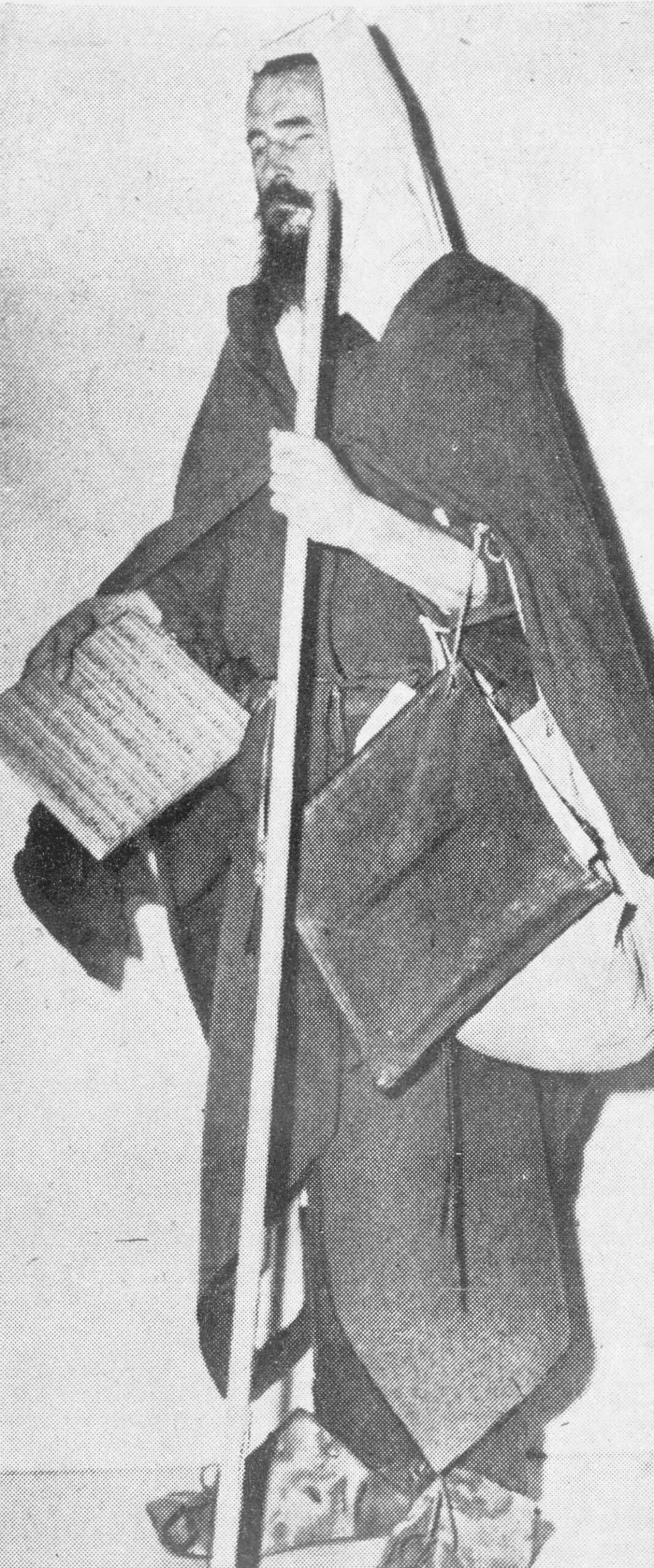
Moondog died on 8 September 1999, four months after Mr. Scruff sampled Bird's Lament on Ninja Tune. His rounds, odd metres and city sounds were loop music before the machines.
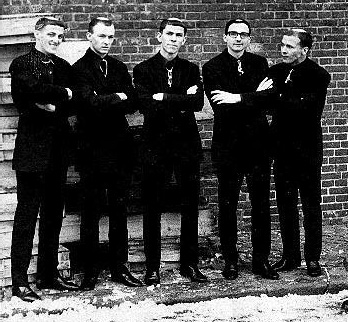
The story of the Monks is almost always told as a costume. Five American GIs stationed at Gelnhausen, two German design graduates, shaved tonsures, black habits, a manifesto. It is a great story and it is also the least interesting thing about the record they made. What produced Black Monk Time was not an art […]