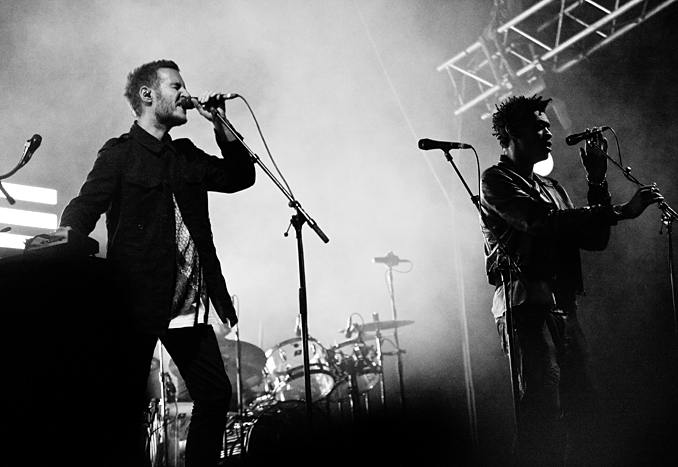
The sound came from Bristol sound-system culture in the late 1980s. The name came from a London magazine in 1994, and the musicians never warmed to it.
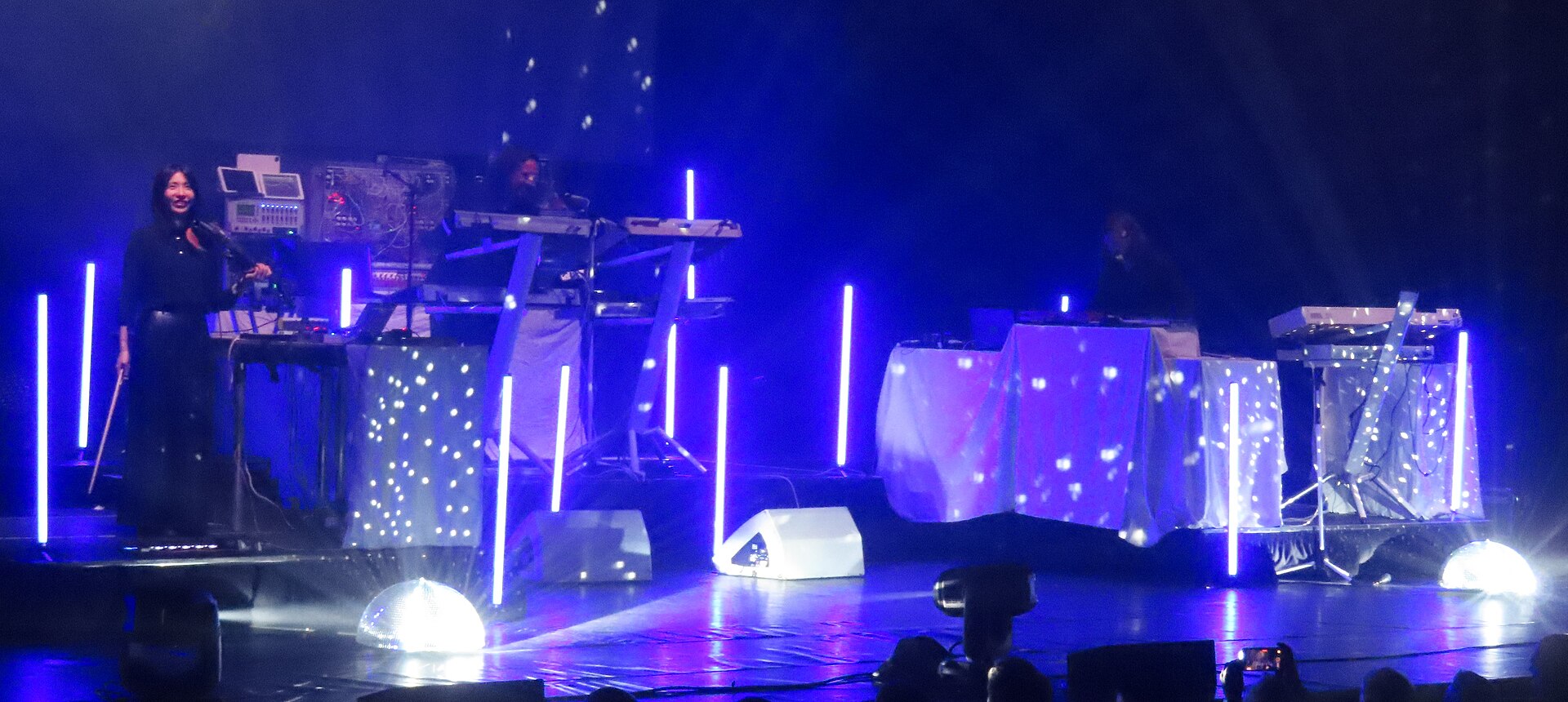
Tangerine Dream spent hours a day tuning a Moog that had no memory. The drift is on the record, and it is the best thing about it.
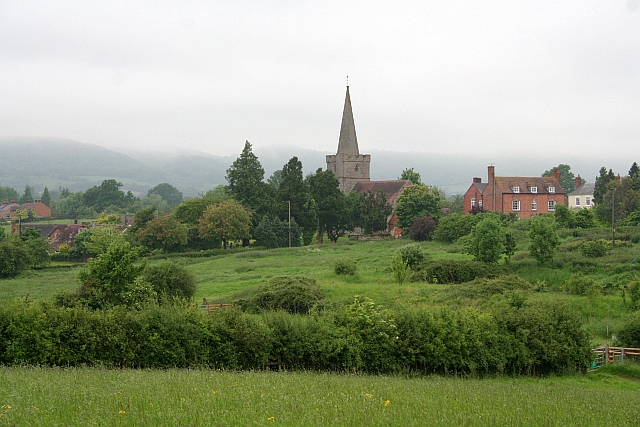
In May 1992 tens of thousands found a common in Worcestershire. Two years later the law had a definition of the music they danced to, and the sound system that helped cause it was already rebuilding the party in France.
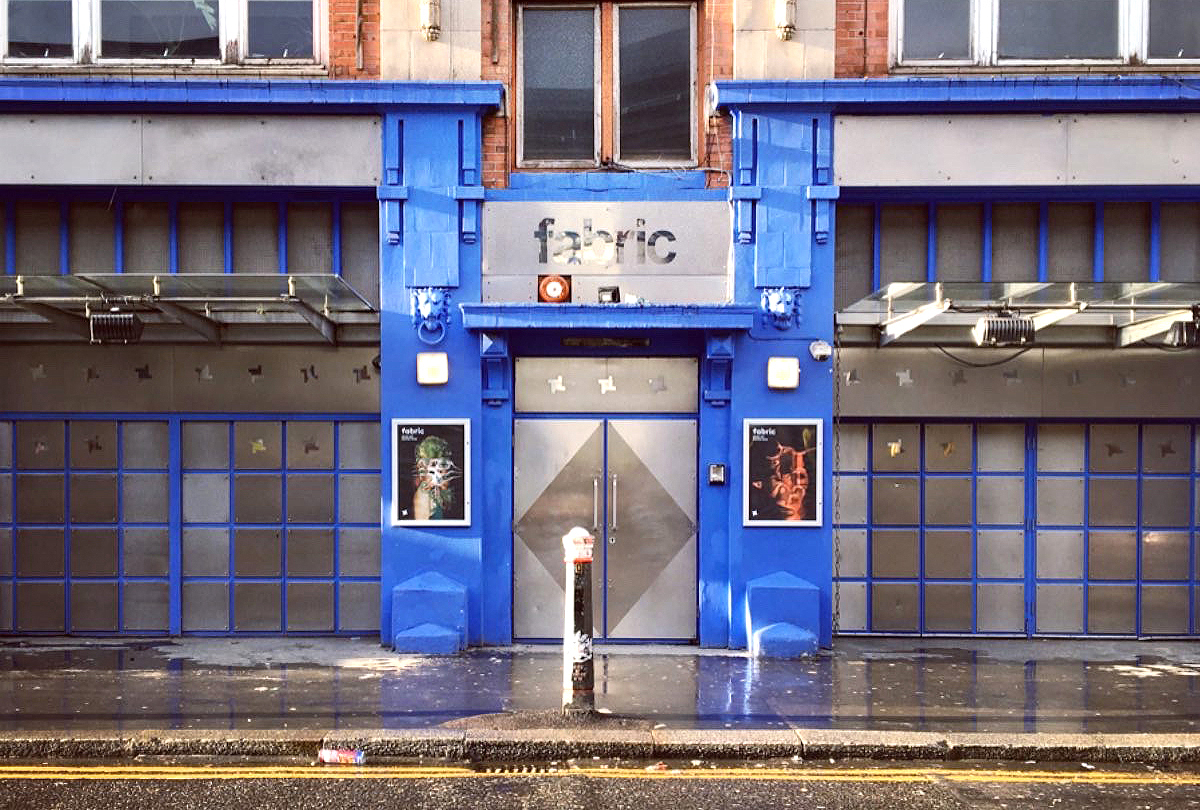
Most clubs treat the floor as a place to stand. In October 1999, fabric opened beneath Smithfield Market in London and treated it as a loudspeaker. The idea was simple enough to explain and strange enough to feel: if low frequencies can be felt as well as heard, put the machinery for feeling them in […]
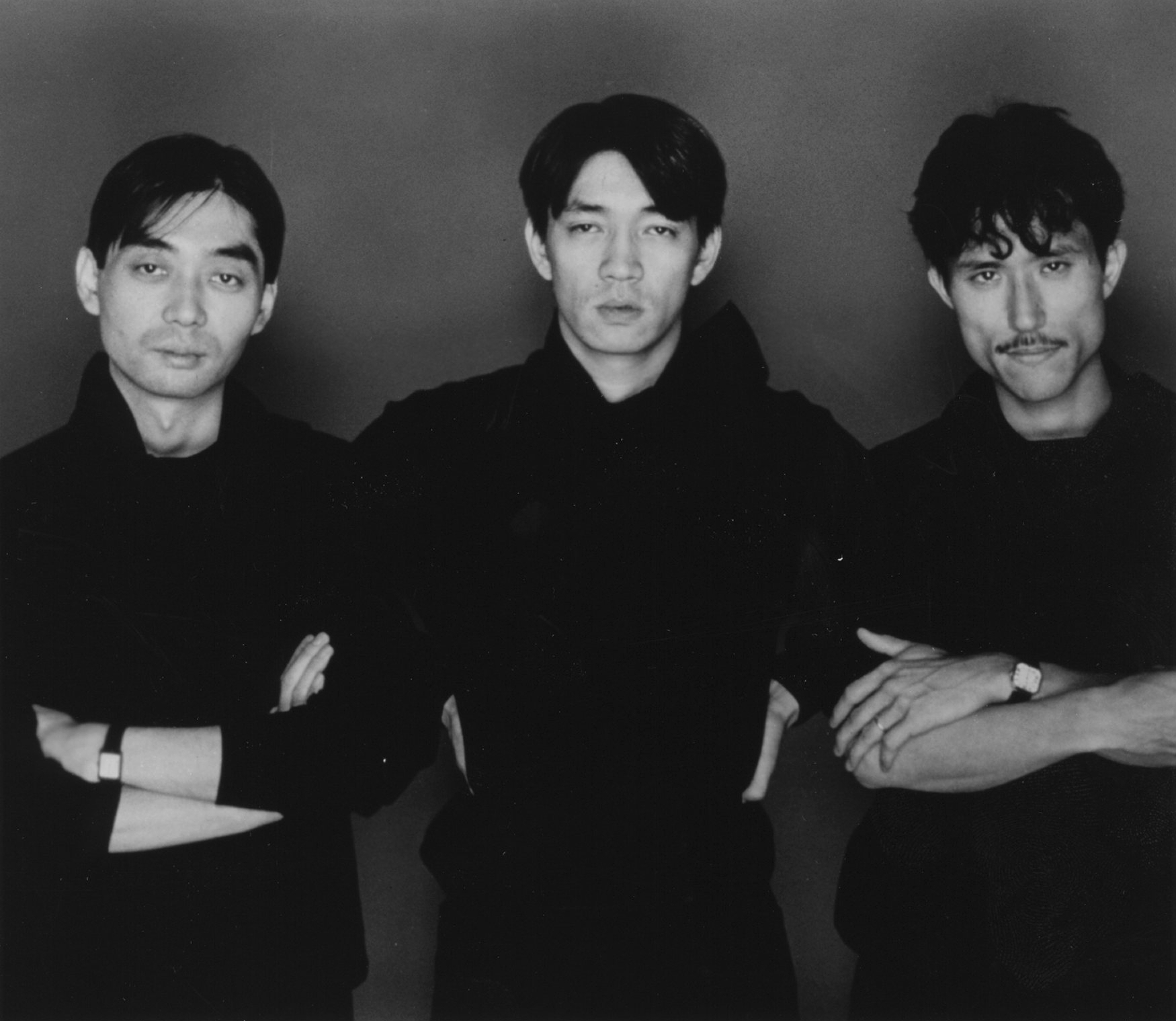
In 1981 Yellow Magic Orchestra made a record around a sampler that existed in a single hand-built copy. The ideas it carried travelled much further than the machine.
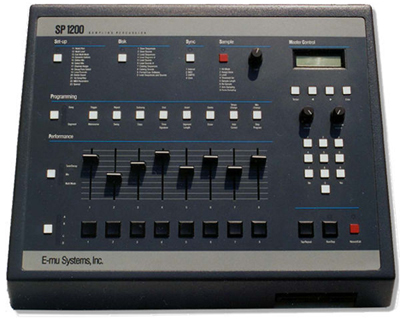
Ten seconds of memory, twelve bits and a sample rate half that of a CD. The E-mu SP-1200 was a limited machine, and the limits became a sound.
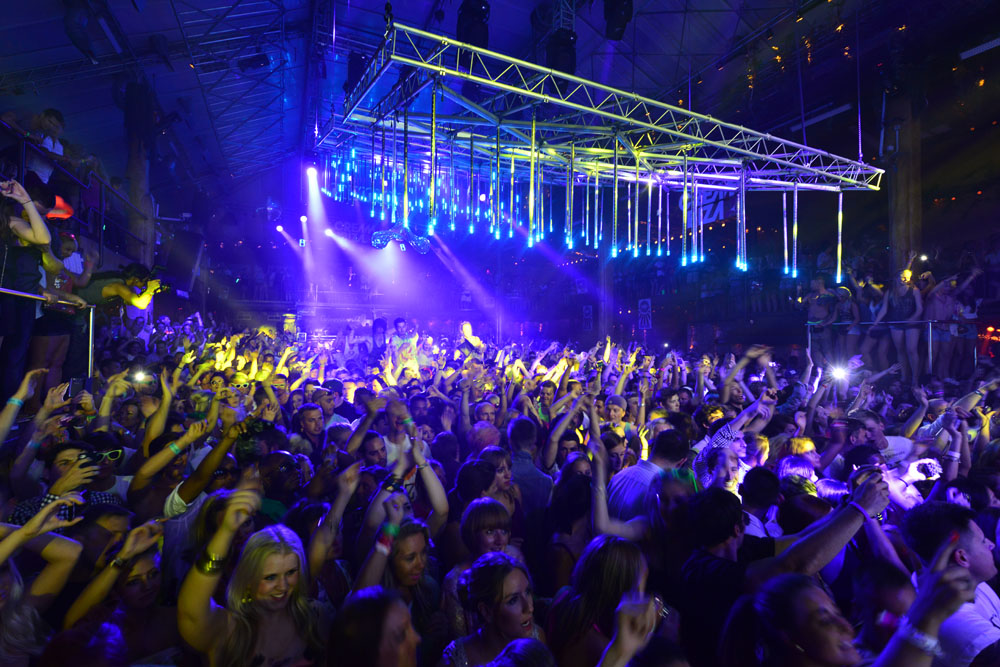
Most dance scenes can be traced to a record, a machine or a room. The Balearic one is harder to pin down, because its founding document was a DJ’s running order, and the man who played it could not follow it home. Alfredo Fiorito, the Argentine who became the house selector of Amnesia in Ibiza, […]
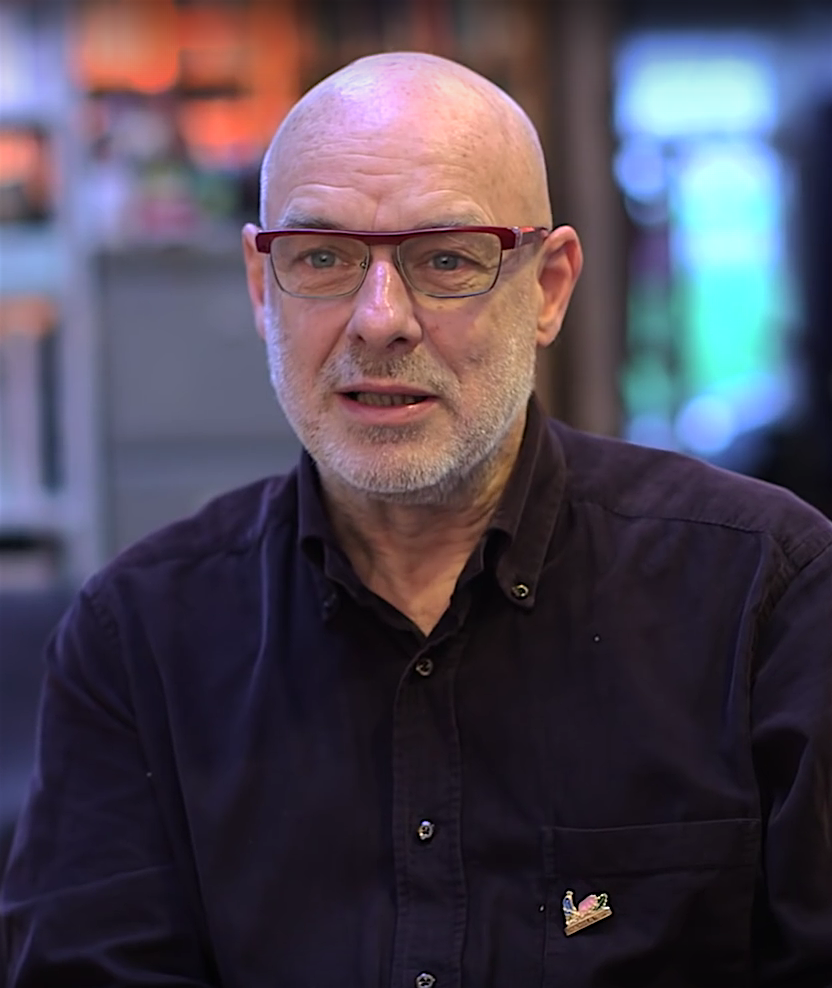
Eno's Music for Airports was built from sung notes and piano phrases on tape loops of unequal length, so the music never repeats the same way twice.
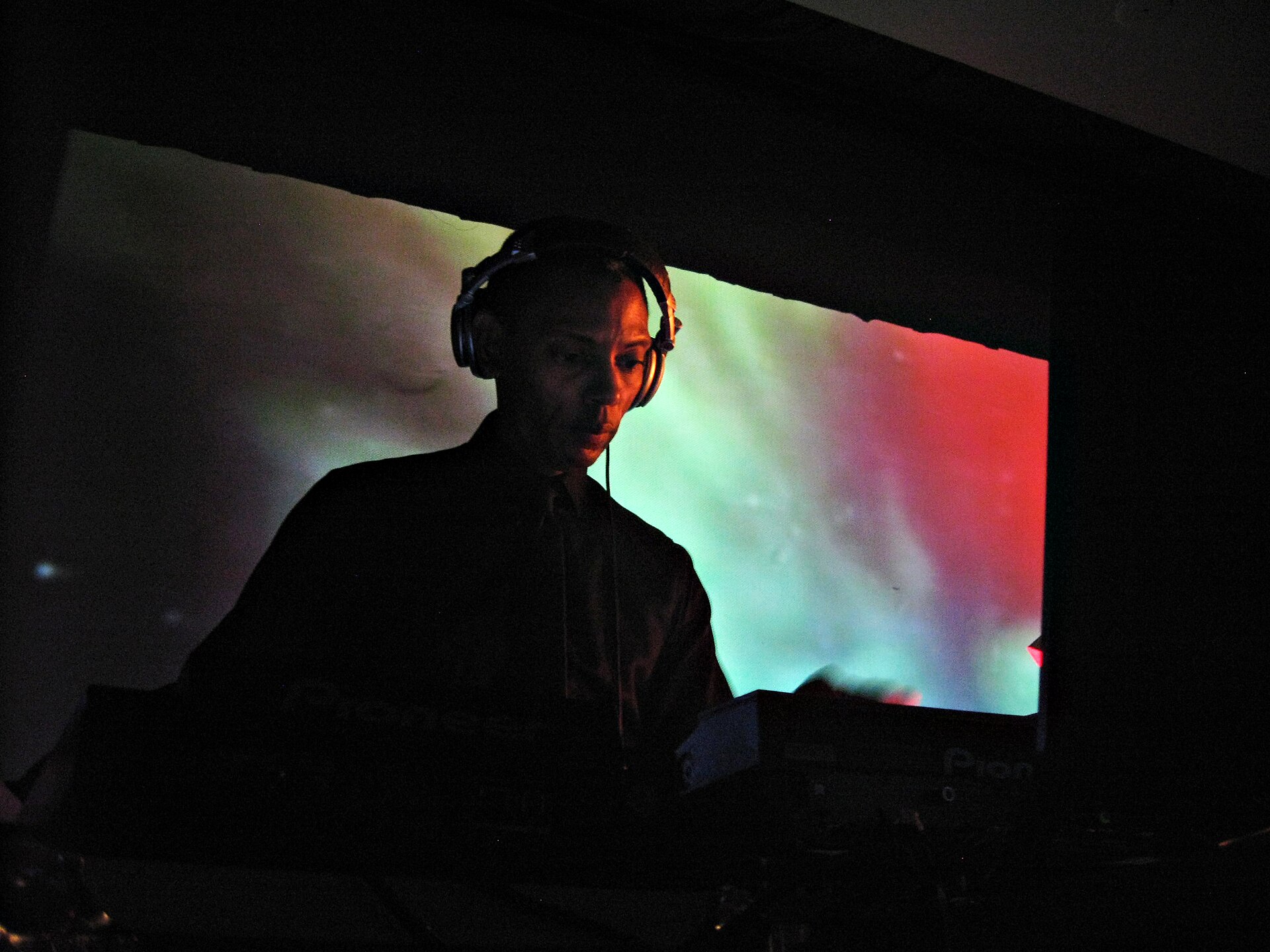
Underground Resistance refused photos, wore balaclavas and built its own distribution. How a Detroit collective turned anonymity into independence.
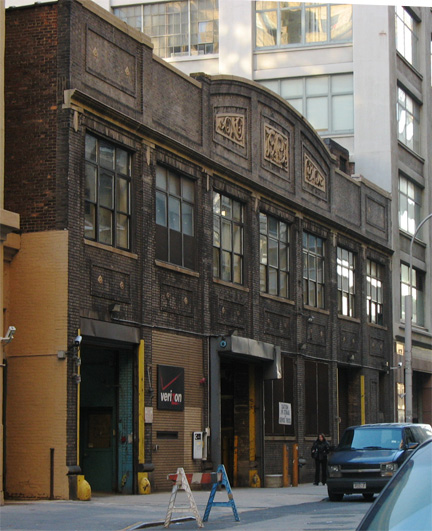
A members-only room in a former parking garage, a custom Richard Long sound system and a DJ who retuned it all night. How Paradise Garage made the dance floor an instrument.