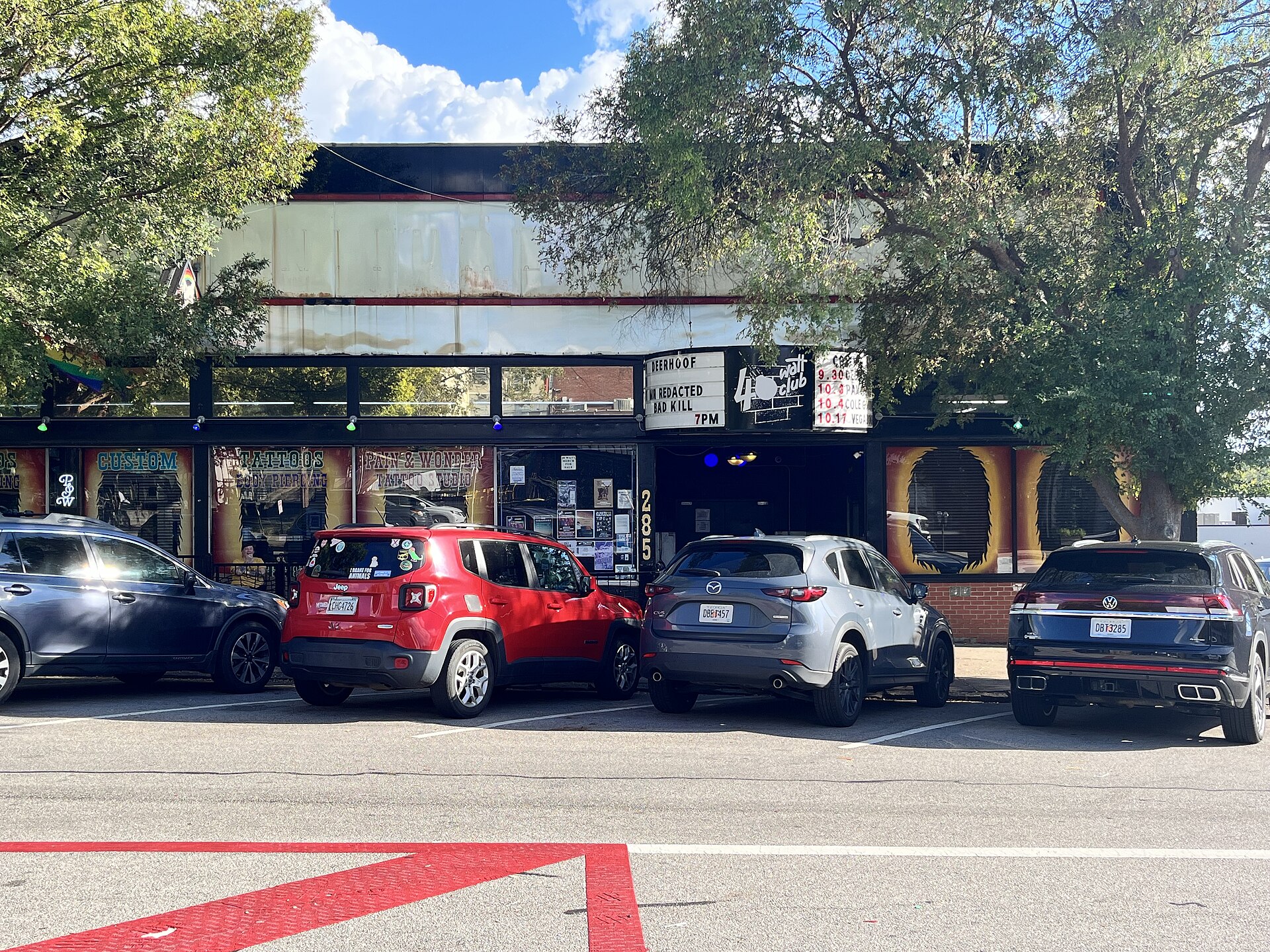
Athens, Georgia had almost no music business in the late 1970s. A record shop, a bulb-lit club and a heatless church built the scene instead.
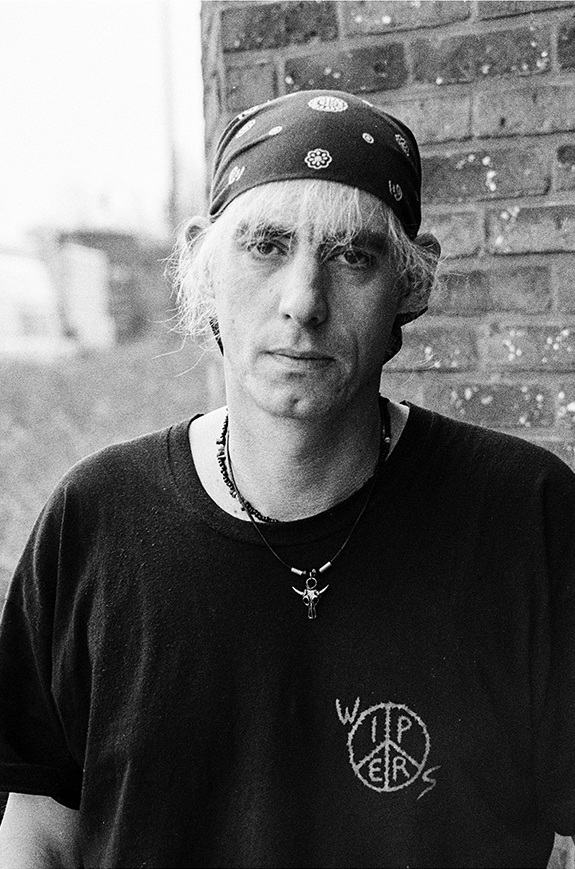
Greg Sage meant the Wipers to be records without a road. The mystique never paid the bills, but the records outlived the plan.
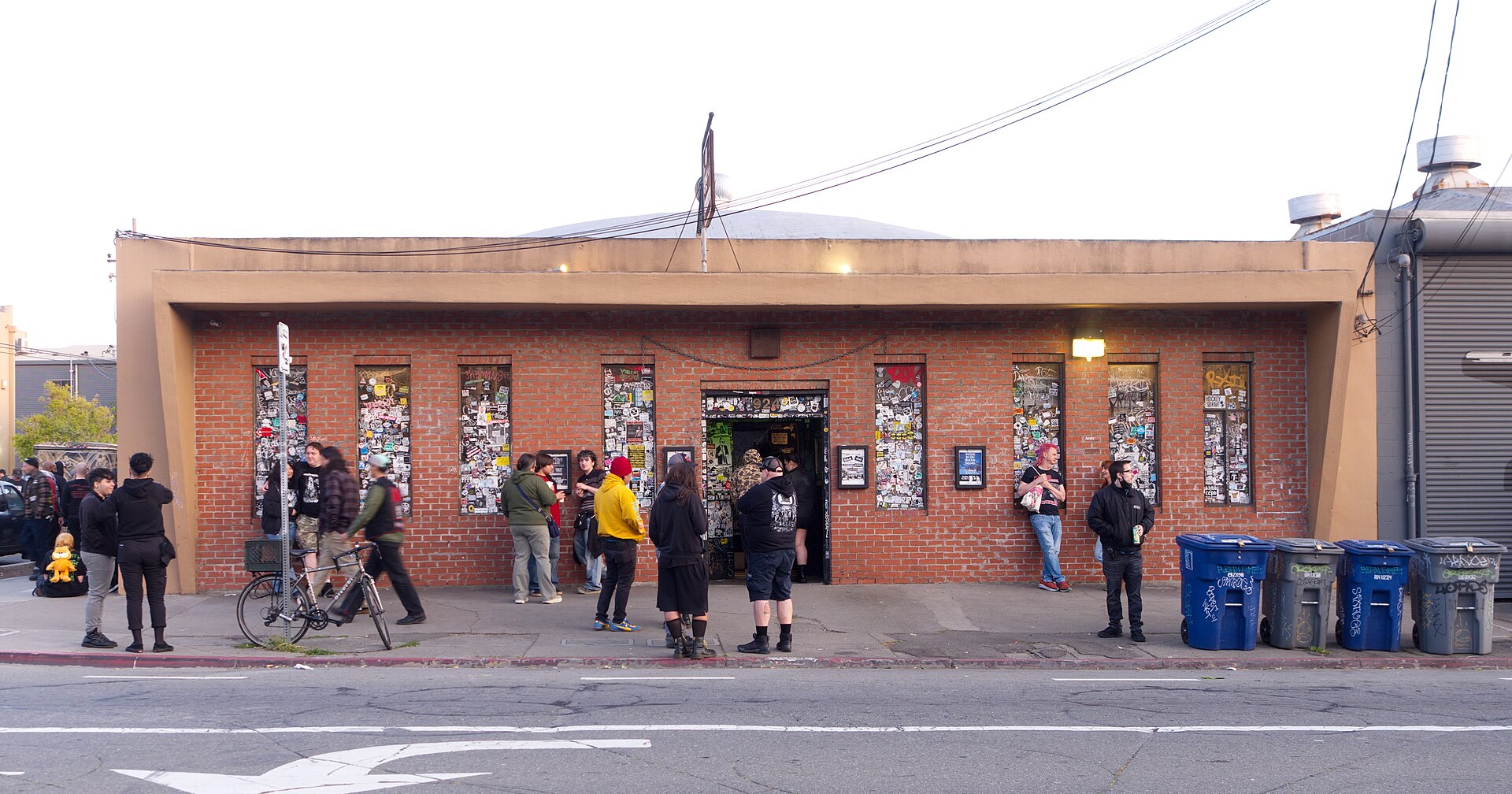
Gilman Street opened on 31 December 1986 with a ban on alcohol and a vote for every major decision. Four decades on, the governance is the thing that survived.
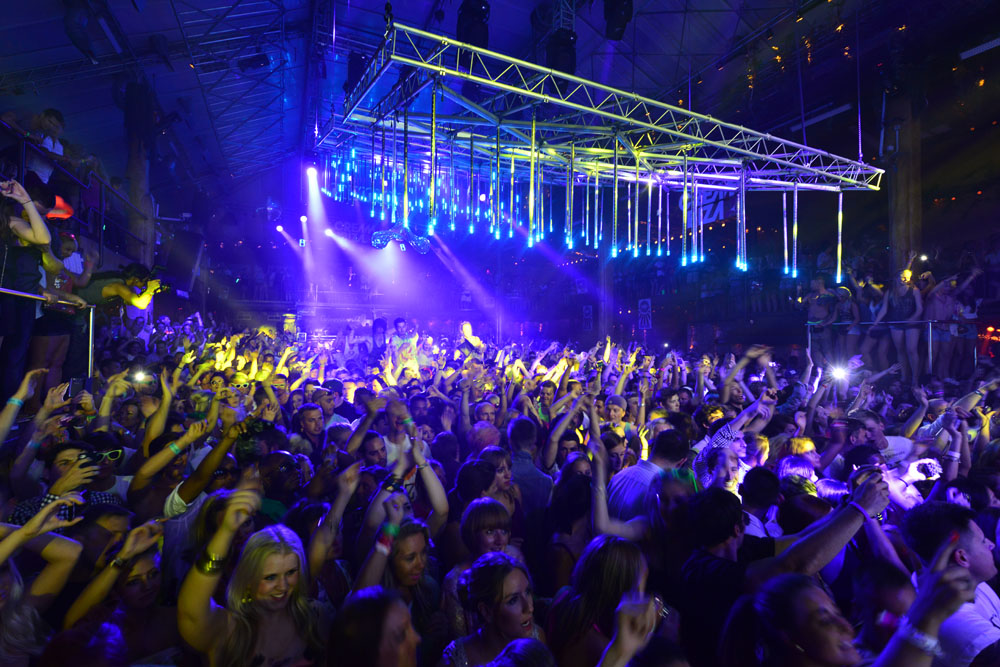
Most dance scenes can be traced to a record, a machine or a room. The Balearic one is harder to pin down, because its founding document was a DJ’s running order, and the man who played it could not follow it home. Alfredo Fiorito, the Argentine who became the house selector of Amnesia in Ibiza, […]
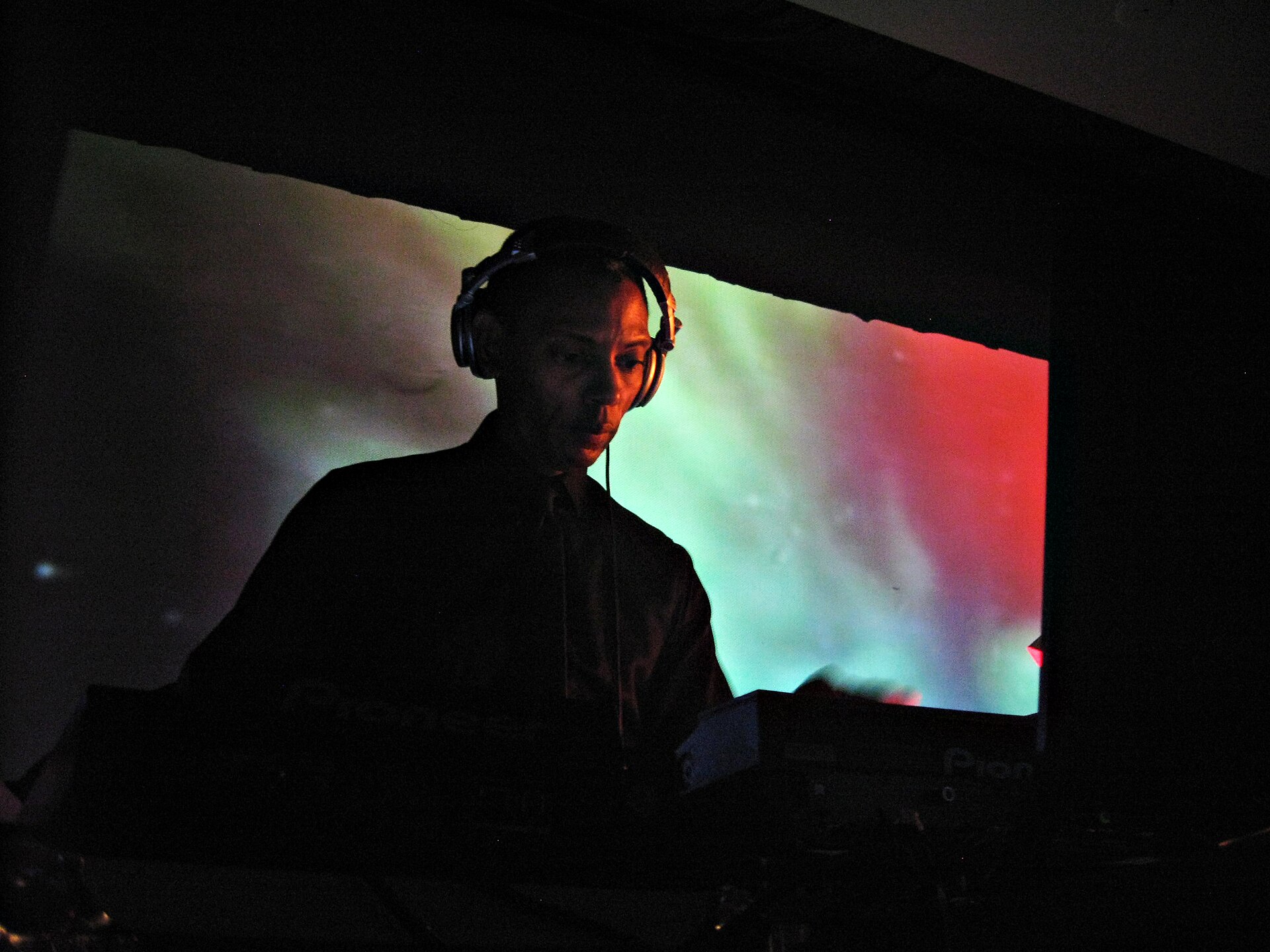
Underground Resistance refused photos, wore balaclavas and built its own distribution. How a Detroit collective turned anonymity into independence.

A label that began in a kitchen, a cassette series and a six-day convention. How K Records turned Olympia, Washington into an indie scene with its own rules.
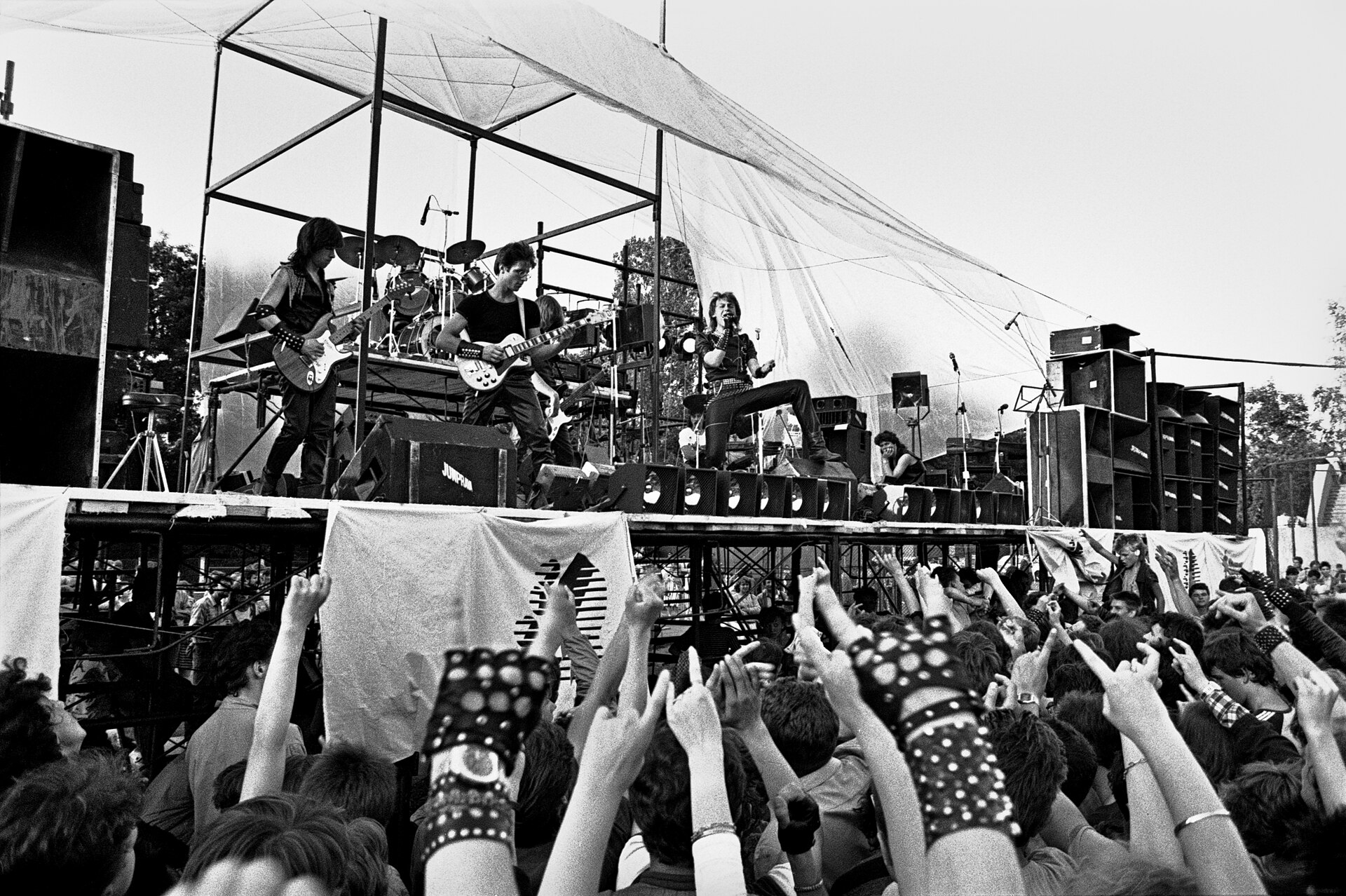
The Electric Eels played five shows in Cleveland, lost their last venue to a lawnmower, and became a legend through one Rough Trade single and decades of archival releases.
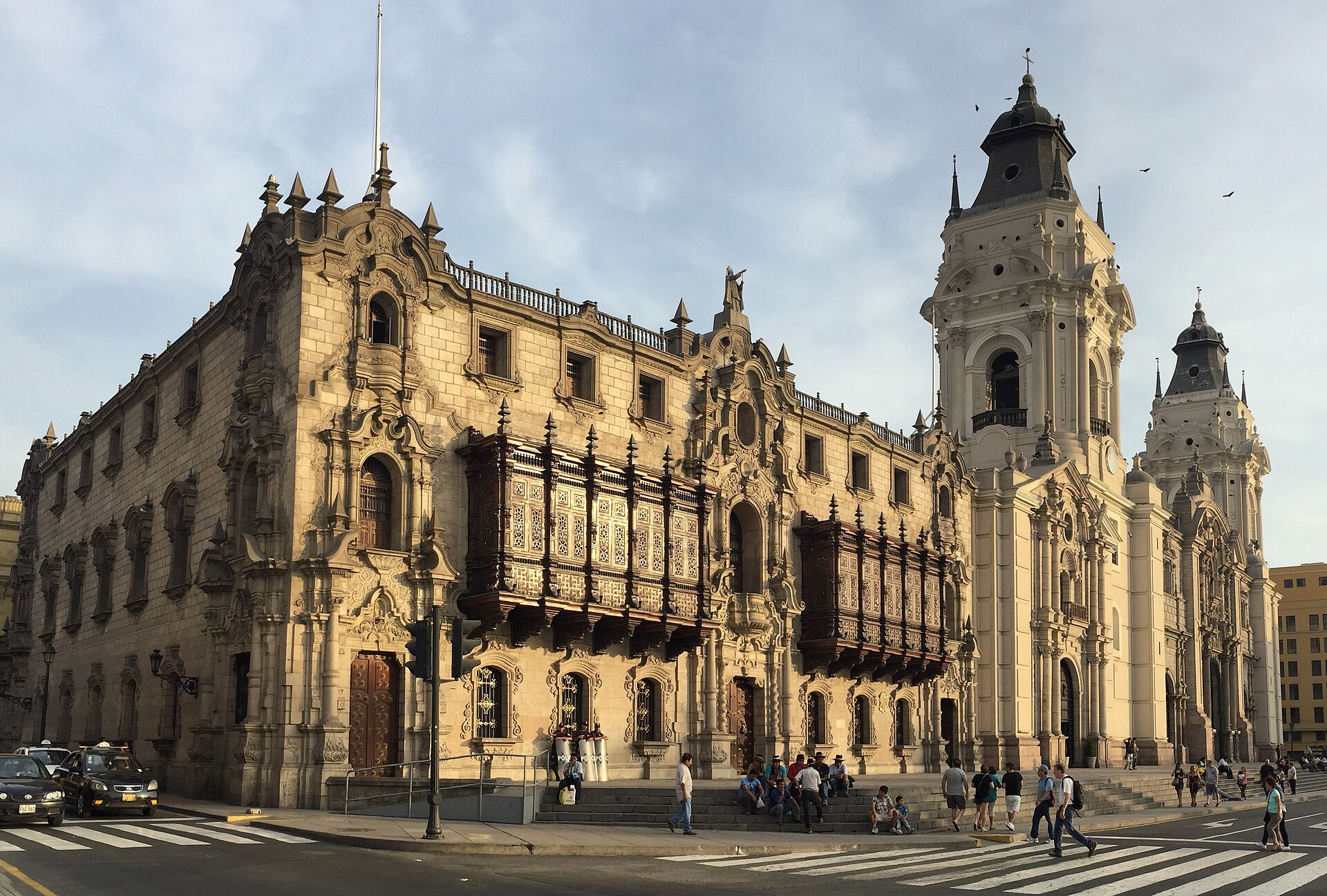
In 1965, the biggest song in Peru was about blowing up a train station. “Demolicion” was a national radio hit, its band had its own television show, and its four members were teenagers from a middle-class Lima neighborhood who had never heard the American garage bands they are now compared to. Outside Peru, almost nobody [&h
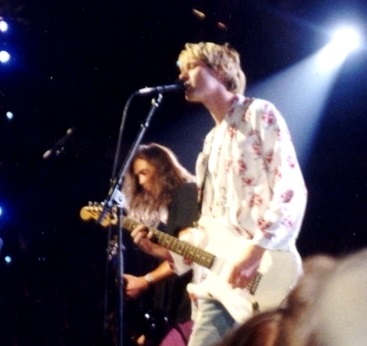
On November 2, 1989, a support band nobody outside Olympia, Washington had heard of opened for Tad at a club in Groningen, in the north of the Netherlands. About sixty people showed up. The band was Nirvana, two years before Nevermind, and the room they played had a legal capacity of five hundred. That gap, […]

Cosmic disco was never really a genre. It was a club on Lake Garda, a DJ who played records at the wrong speed, and a cassette network that carried the room far beyond its 700 capacity.